Key Takeaways:
- Frontex deputy executive director Uku Sarekanno says EES disruption could take one to two years to stabilise.
- The biometric system requires fingerprints and facial scans from non-EU travellers, causing long queues and missed flights.
- British tourist spending may shift away from Schengen, with Spain facing the biggest loss at £720 million this summer.
A Long Road to Stability
The chaos at European airports and border checkpoints is far from over. A top EU border official has warned that the disruption triggered by the new Entry/Exit System (EES) could last up to two years. Uku Sarekanno, deputy executive director of Frontex, told reporters that the system, which began on April 10, has created "struggles" for many member states.
"Many states are still adjusting to the new reality," Sarekanno said, adding that while some countries manage well with dedicated resources, others are still struggling.
The Biometric Bottleneck
Under the EES, non-EU passengers—including British travellers—must now register biometric details like fingerprints and facial recognition images when entering the Schengen Area. This first-time enrolment process is the biggest hurdle.
"The most challenging part is the first enrolment, that is the moment where fingerprints and facial images will be taken," Sarekanno explained.
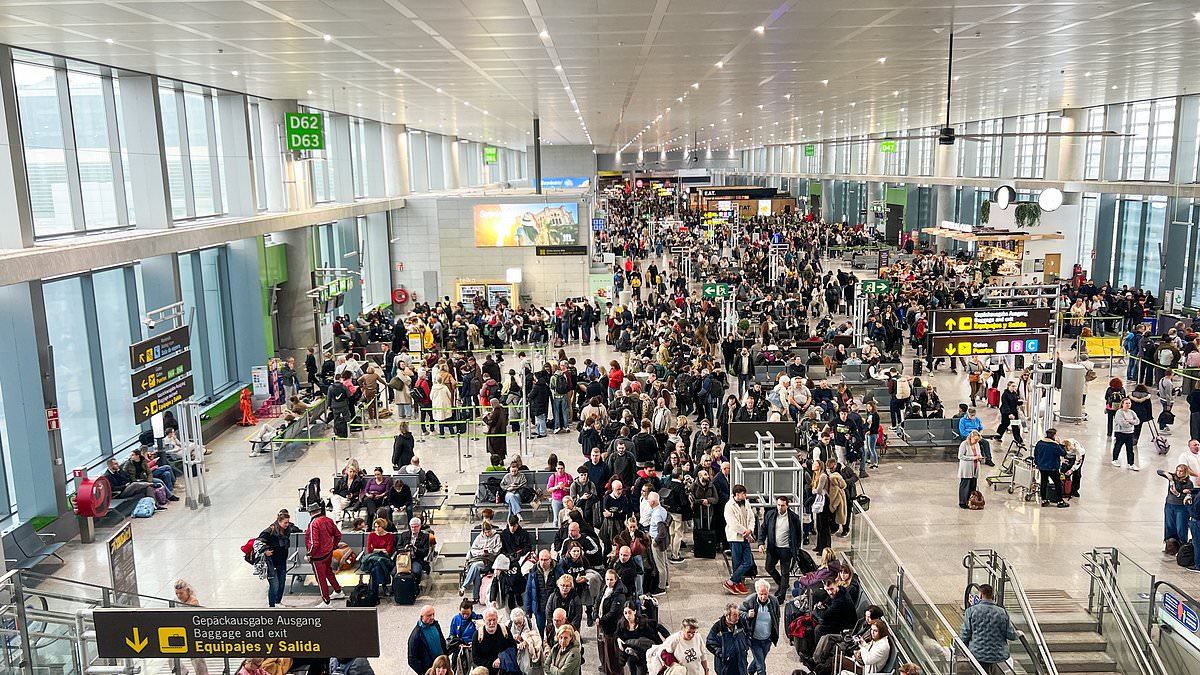
With approximately 1,700 border points across air, land, and sea, the adjustment is proving uneven. Some airports have seen three-hour queues, leading to passengers vomiting and passing out, as reported at Milan's Linate airport in April. An easyJet flight to Manchester was forced to leave half empty after delays pushed crews beyond their working limits.
Billions at Stake
The new digital checks are already reshaping travel behaviour. Research by Holiday Extras reveals that one in 30 Britons have changed their holiday plans specifically due to border queues, and nearly a fifth are likely to do so in 2026.
Applied to Office for National Statistics data—showing 96 million UK trips abroad with an average Schengen spend of £830 per trip—the Schengen Zone risks losing £1.9 billion in British tourist revenue this year alone.
- Spain: Estimated loss of £720 million, as it hosts the most British visitors.
- France: Could lose around £370 million.
- Italy: Projected loss of £190 million.
Uneven Implementation
Sarekanno acknowledged that while some states have "dedicated resources" and are handling the transition well, others are falling behind. The EES was designed to strengthen border security and track overstays, but the rollout has exposed gaps in infrastructure and staffing.
The situation has led to calls for better coordination and investment in automated kiosks to speed up processing. Until then, travellers should brace for delays.
What Travelers Can Do
For now, passengers heading to the Schengen Area should plan for extra time at border controls, especially at airports with heavy traffic. Airlines and travel operators are urging early arrival and patience as the system matures.
The Frontex official's comments confirm that the discomfort will not vanish quickly. Stabilisation, he said, is "one to two years" away.