Key Takeaways:
- Spain has imposed entry checks on travelers from Italy, reciprocating Rome's border controls.
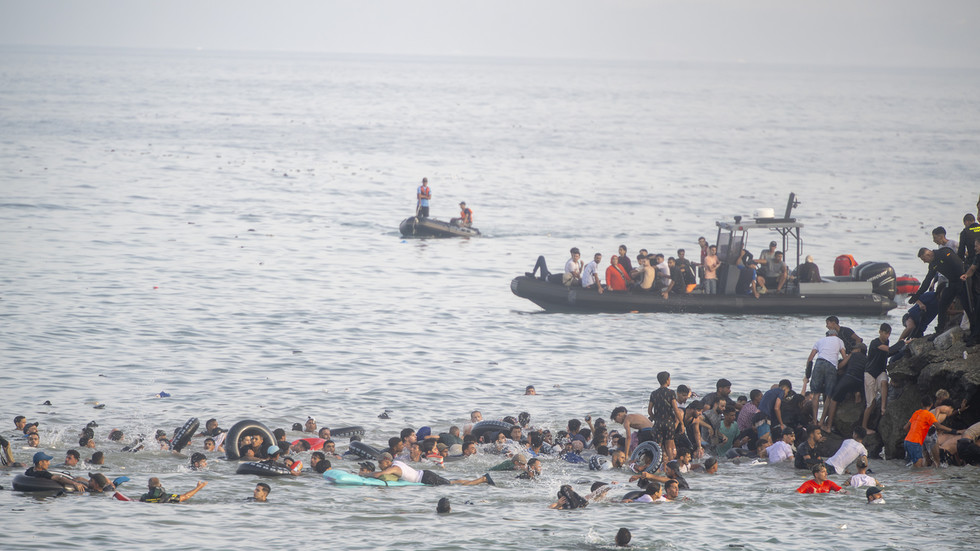
- The measures respond to a massive migrant influx in Ceuta, a Spanish enclave in Morocco.
- The dispute underscores political rifts between Spain's left-wing and Italy's right-wing governments.
Spain on Saturday reintroduced border checks for people arriving from fellow EU and NATO member Italy, a reciprocal measure triggered by Rome's decision to control its borders with Spain. The move escalates a growing Schengen Area dispute over how to handle irregular migration.
Why the Controls Now?
The Spanish Interior Ministry announced that, effective from midnight Saturday until September 7, border agents will check passports, nationality, and visas for all Italian passengers and visitors arriving from Italy. The ministry justified the measure as a response to what it called "the persistent irregular migratory pressure affecting the transalpine country."
This follows Italy's introduction of temporary border controls on travelers from Spain on August 1. Prime Minister Giorgia Meloni said the move aimed to "safeguard national security and prevent possible repercussions" after a dramatic migrant surge in Ceuta.
Ceuta Crisis: What Happened?
Last week, around 72,000 people illegally entered Ceuta within hours, reigniting fears of a new migrant crisis in Europe. Although many were returned, local officials estimate that between 3,000 and 5,000 migrants remain on Spanish territory.
The influx coincided with a Spanish Supreme Court ruling that prevented the immediate deportation of migrants intercepted at sea while trying to swim into Ceuta or Melilla. Additionally, misleading viral videos on social media encouraged more people to attempt the crossing.
Several EU leaders have called for Spain's exclusion from the Schengen borderless zone, arguing that the country's policies enable mass migration.
Political Fallout and Accusations
The Spanish government slammed Italy's decision on Friday as "unfair and discriminatory" and demanded that Rome treat Spaniards like other European citizens. In a statement, Madrid warned: "If it fails to do so by the end of Sunday, August 9, Spain will be forced to adopt proportionate measures to protect the interests and dignity of its citizens."
Spain argues that Ceuta's special status prevents irregular migrants from freely entering the Schengen Area, and points to its past willingness to accept migrants who arrived on Italian shores or were rescued in the Mediterranean.
Beyond Migration: A Wider Political Rift
The dispute highlights deeper tensions between Meloni's center-right government and Spain's left-wing cabinet led by Pedro Sánchez. Meloni has forged close ties with US President Donald Trump, who has criticized Sánchez for low defense spending and opposition to Trump's Iran policy. Spain has also been a vocal critic of Israel's actions in Gaza and recognized Palestinian statehood in 2024.
Last week, the US State Department accused Spain of "deliberate efforts to enable and facilitate mass illegal migration into Europe." Such external pressure adds another layer to the intra-European dispute.
What's Next for Schengen?
This bilateral spat risks undermining the Schengen Area's core principle of free movement. If reciprocal border checks become the norm, the bloc's internal cohesion could weaken. Travelers between Spain and Italy should prepare for delays and ensure they carry valid passports and visas.
The situation remains fluid. Spain's measures are set to expire on September 7, but ongoing migration pressures could prompt further extensions. Observers will be watching whether other EU nations side with Madrid or Rome in this escalating standoff.
For travelers: Always carry your passport when crossing EU internal borders, even if checks are not always enforced. Stay updated on national entry requirements, especially during periods of heightened migration controls.