Key Takeaways:
- Thousands of British travellers faced queues of over four hours at Dover due to new EU fingerprint checks under the Entry-Exit System (EES).
- French border police temporarily reverted to manual checks to ease gridlock, highlighting system flaws.
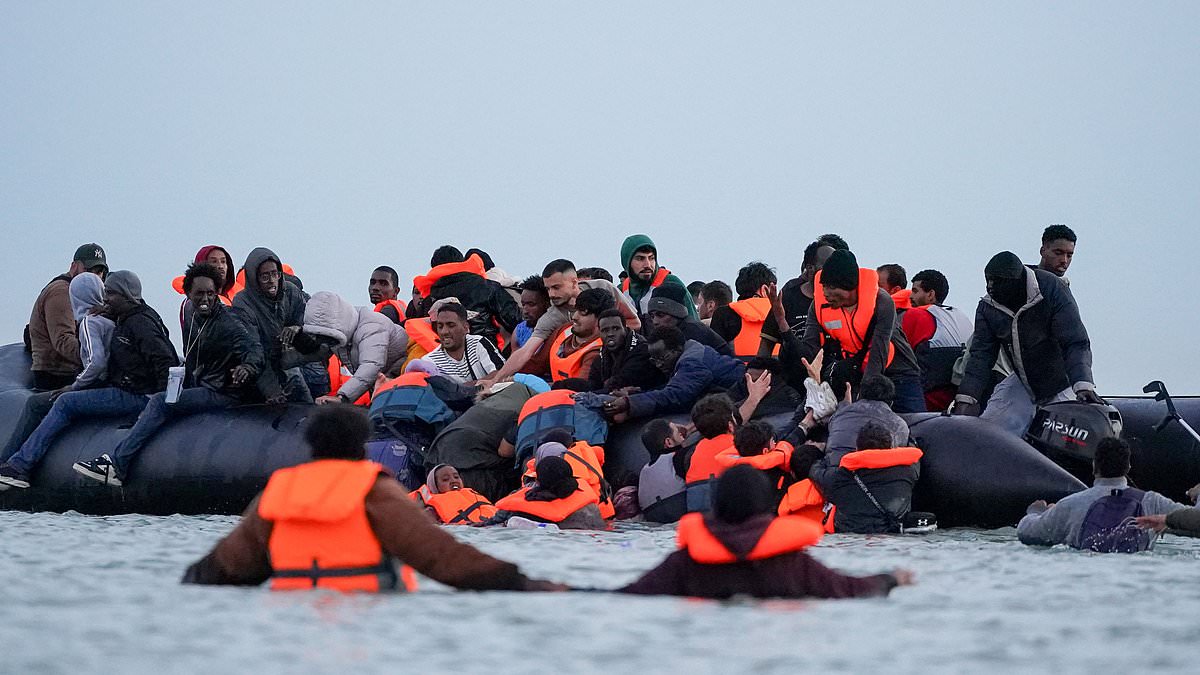
- Meanwhile, nearly 400 migrants crossed the Channel in small boats, with French gendarmes watching.
The contrasting scenes at Britain’s borders on Saturday painted a stark picture of the challenges facing post-Brexit travel. While thousands of families bound for school half-term holidays in Europe endured sweltering queues at the Port of Dover, Channel migrants boarded dinghies off Dunkirk in front of smirking French gendarmes.
EU Entry-Exit System Sparks Travel Chaos
Port officials grew increasingly concerned as temperatures soared and traffic queues lengthened. Under the European Union’s new Entry-Exit System (EES), non-EU travellers—including British citizens—must have their fingerprints registered and photograph taken to enter the Schengen Area of 29 nations. However, with French police still relying on manual data entry until an automated system is fully operational, the process quickly became a bottleneck.
“The introduction of the full EES regime since April 10 has put restrictions on what the French immigration police can do,” said Doug Bannister, CEO of the Port of Dover, to the BBC. “They’ve been working flat out, but the process itself was slow.”
To clear the gridlock, French authorities suspended the automated EES checks temporarily and reverted to traditional border procedures. This allowed traffic to flow again, but it exposed the system's fragility.
Eurotunnel Also Hit by Delays
Travellers using Eurotunnel from Folkestone fared little better, with three-hour delays reported. Passengers who missed their booked departures were placed on later trains, adding to the frustration. An insider revealed that the new automated system has been “riddled with problems,” including concerns over personal data collection and persistent long delays causing missed departures.
Channel Migrants Cross as Police Watch
On the other side of the Channel, people-smugglers took advantage of calm seas and warm weather to pack dinghies and small boats headed for the Kent coast. Almost 400 migrants crossed on Friday alone, with similar numbers expected over the Bank Holiday weekend.
Scores of migrants—many wearing hi-visibility jackets—were seen wading through the sea off Dunkirk, children on their shoulders, while French police carrying riot shields looked on. The contrast with the chaos at Dover was not lost on observers.
What This Means for Travellers?
For British travellers, the weekend’s events highlight the ongoing friction at EU borders post-Brexit. The EES system is designed to strengthen Schengen security, but its manual implementation at busy ports like Dover causes significant delays. Travel experts advise:
- Arrive early—expect up to four hours for checks during peak times.
- Keep biometric data ready if required; fingerprints and photos are mandatory.
- Monitor port updates, as procedures can change abruptly.
“The system is not yet ready for the volume of traffic we see at holiday periods,” a port source said. “Until it’s fully automated, travellers should prepare for disruption.”
A Broken Border or a Work in Progress?
The scenes at Dover and Dunkirk underscore the complexities of balancing border security with free movement. While the EU pushes for tighter controls through EES, the lack of automation and coordination leaves travellers caught in the middle. For now, the message is clear: plan for delays and keep an eye on official updates.
As the summer season approaches, pressure will mount on both British and French authorities to smooth out these teething problems—or risk turning the Channel into a bottleneck instead of a bridge.