Key Takeaways:
- 22 European leaders signed a letter blaming Spain for the Ceuta border crisis, instead of showing solidarity.
- The reaction has raised doubts about the EU's ability to respond collectively to security threats.
- Italy suspended Schengen with Spain, signaling a lack of trust even among partners.
- The incident challenges the credibility of a potential 'European NATO' and collective defense.
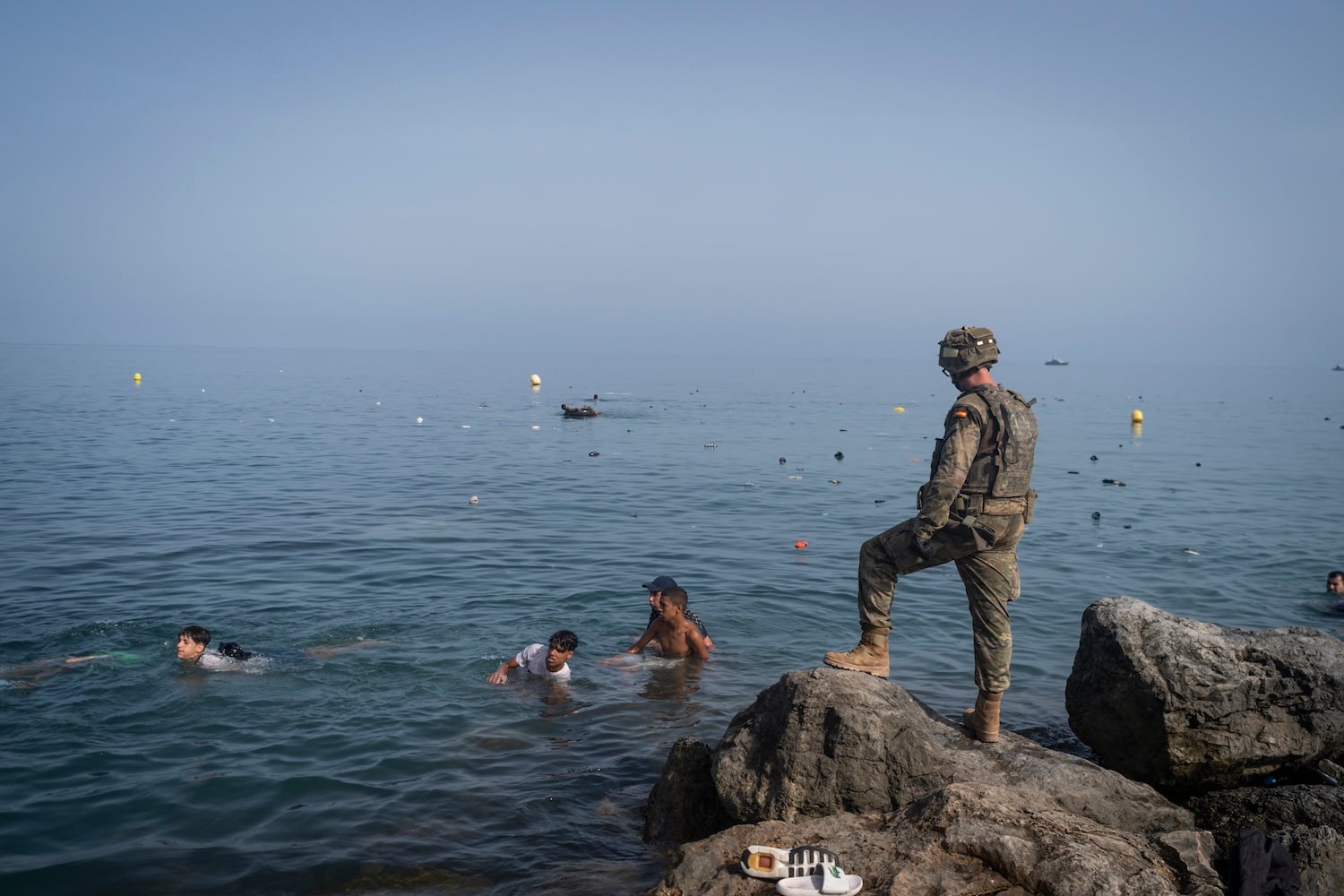
When more than 70,000 migrants crossed into the Spanish exclave of Ceuta from Morocco on Aug. 1, the event was not just a humanitarian challenge—it was a test of European solidarity. The response from EU leaders, however, has been less than reassuring. In a letter organized by Italy and Denmark, 22 heads of state criticized Spain's migration policies rather than offering support. This reaction, as the Spanish government put it, was "selfish, polarising and unlawful" and has left many wondering: If Europe can't stand together over a border breach, can it truly unite against a military threat?
Shifting Blame, Not Burden
The joint letter, directed to EU leadership, placed responsibility for the crisis at Spain's door. Leaders argued that Spain's path to regularization for irregular migrants and a recent Supreme Court ruling acted as a pull factor. But in doing so, they conveniently ignored that Spain was the country bearing the entire burden by virtue of its geography. Prime Minister Pedro Sánchez described the event as a "violation of Spain's territorial integrity," but his counterparts saw it as an opportunity to score domestic political points.
This blame-shifting is not just tactless; it's damaging. By implying that Spain brought the crisis upon itself, European leaders have weakened the very foundations of collective defense. If one member state can be left to fend off a crisis alone, what does that say about the EU's commitment to mutual protection?
The Hypothetical 'European NATO'
Ever since Donald Trump's return to the White House, European policymakers have been floating the idea of a "European NATO"—a post-American alliance where European states jointly protect their borders. It's a noble vision, but it remains untested. Alliances are only as strong as their response to a real crisis, and the Ceuta incident has shown that the EU prefers to point fingers rather than extend a helping hand.
A mass migration influx is not an armed invasion, but it's a test of resilience. In 2020, when Turkey provoked a refugee crisis at Greece's borders, European leaders condemned Ankara but offered little meaningful support, heightening Greek fears about EU solidarity in a potential conflict with Turkey. The same pattern is emerging now: instead of backing Spain, Europe's leaders have introduced new fissures in the bloc's unity.
Schengen Under Strain
Italy's decision to suspend the Schengen agreement and reimpose border controls with Spain is particularly telling. Even though Italy and Spain do not share a land border—and none of the Ceuta arrivals have moved beyond Spain—the move signals a deep mistrust. This is a wake-up call for the Schengen area, which is already under pressure from temporary controls in other member states. If a crisis in one corner of the EU can lead to the suspension of free movement elsewhere, the very concept of a borderless Europe is in jeopardy.
The Bigger Picture: Defense and Solidarity
The Ceuta crisis has also cast a shadow over the EU's defense ambitions. NATO's Article V allows each ally to determine its level of contribution in a conflict, but without a credible European equivalent, the continent's security relies heavily on goodwill. The handling of this crisis suggests that goodwill is in short supply.
While the EU has shown it can cooperate on issues like wildfire relief, migration remains a polarizing topic. The memory of the 2015 refugee crisis still haunts European politics, and the new Pact on Migration and Asylum has already been weakened by this incident, just two months after coming into effect.
A Missed Opportunity
In the end, the Ceuta crisis proved to be a false alarm. The overwhelming majority of migrants returned to Morocco within 48 hours, and none crossed the Strait of Gibraltar. But the damage has been done. Instead of using this event to demonstrate the EU's ability to respond collectively to border threats, member states have retreated into familiar patterns of scapegoating and national self-interest.
As Europe contemplates a future without NATO's umbrella, this response should give pause. If the EU cannot show solidarity in the face of an unarmed crowd, how can it be trusted to stand together in the event of an armed attack? The crisis has revealed a uncomfortable truth: the EU remains a collection of states, not a true union. And until that changes, the dream of a robust collective defense remains just that—a dream.