Key Takeaways:
- A third of travelers from the UK, US, Canada, and Australia would avoid the Schengen area if EES queues regularly exceed three hours.
- Up to 41 million arrivals could be at risk from four major source markets.
- European ferry ports warn of severe summer disruptions unless flexibility is ensured.
- Over half of travelers know little about the EES, highlighting a need for better communication.
Tourists Threaten to Stay Away
Europe's new digital border system, the Entry/Exit System (EES), is facing a major public relations crisis. A survey by the World Travel & Tourism Council (WTTC) reveals that around a third of potential visitors from key markets—the UK, US, Canada, and Australia—say they're less likely to travel to the Schengen area if border waits regularly hit three to four hours.
On average, 33 percent of respondents would reconsider their plans. Britons are the most wary, with 39 percent saying they'd avoid Europe in such scenarios, followed by US and Canadian citizens at 33 percent, and Australians at 27 percent. The WTTC estimates this could translate into up to 41 million lost arrivals—a staggering blow to Europe's tourism economy.
Yet, the picture isn't entirely bleak. A solid 87 percent of travelers say they'd accept some initial disruption if future travel becomes smoother. After learning about the EES, 65 percent supported the system, with only 6 percent remaining very negative about biometric controls.
What Travelers Actually Want
Travellers see clear benefits in the new system. The survey highlights key advantages:
- Enhanced border security (57 percent)
- Quicker processing on future trips (52 percent)
- Greater confidence in border controls (43 percent)
Gloria Guevara, WTTC President and CEO, struck a balanced note: "As with any major transformation, there will inevitably be teething problems. The challenge now is not whether EES should proceed, but how governments, border authorities and the travel sector work together to ensure implementation is as smooth as possible."
The Knowledge Gap
Despite the high stakes, awareness remains shockingly low. The survey found that more than half of travellers (55 percent) have heard little or nothing about the EES. Nearly 49 percent don't know what's required of them when crossing Schengen borders.
This lack of information fuels anxiety and could deter visitors. The WTTC calls for a robust communication campaign, a pre-registration app, functioning equipment, and sufficient staffing to streamline border points.
Ferry Ports Sound the Alarm
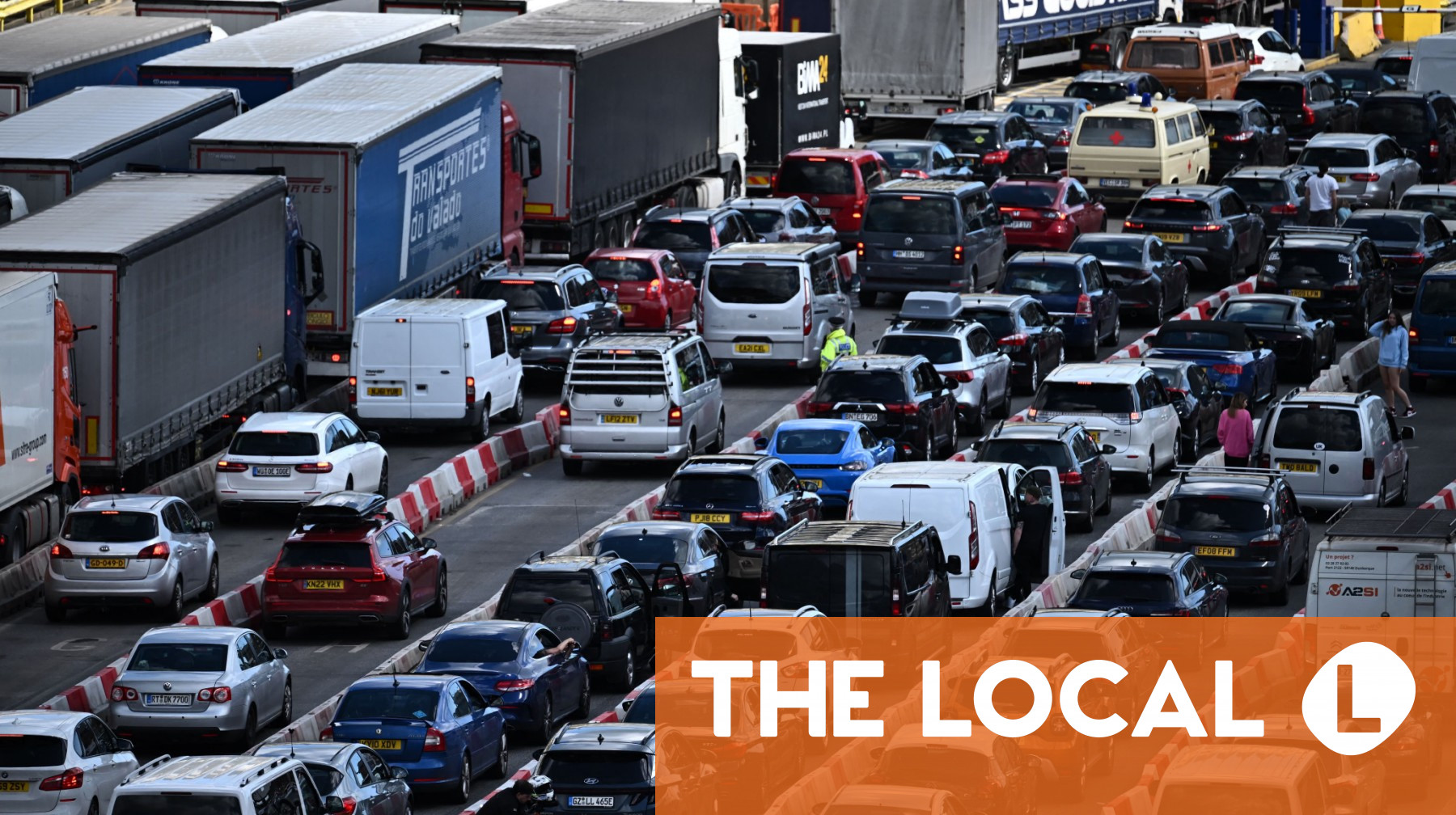
As summer approaches, Europe's sea ports are bracing for impact. The European Sea Ports Organisation (ESPO) warns that recent chaos at the Port of Dover could be a harbinger of worse to come.
"The congestion experienced at the Port of Dover during the recent May bank holiday weekend, which resulted in significant delays for passengers and vehicles, highlights the importance of ensuring sufficient operational flexibility when implementing the EES."
ESPO statement
During that incident, French authorities temporarily relaxed EES checks to ease gridlock. But ESPO warns that such measures came too late, after severe congestion had already hit passengers, trade, and local communities.
Isabelle Ryckbost, ESPO's Secretary General, stressed: "The summer period will be the first real stress test of the EES for some of Europe's major maritime Schengen border-crossing points. We must ensure that the long-awaited holiday season does not turn into a period of stress for families and professional drivers alike."
What's at Stake
The EES, which replaces manual passport stamps with digital records in a EU-wide database, began gradual introduction on October 12, 2025, with full rollout on April 10, 2026. Under the system, biometric data must be collected in person by border guards on a traveler's first entry into the Schengen area.
While implementation has been smooth in some locations, others have seen long queues and delays. The summer months will be the first real test at major ports, and the industry is calling for:
- Flexibility mechanisms for severe disruptions
- Better staffing levels
- Functioning equipment
- A traveler-friendly app for pre-registration
As millions of tourists, expats, and EU citizens plan their summer trips, the message from both industry and ports is clear: smooth EES implementation is not just a technical challenge—it's an economic necessity for Europe's travel sector.