Key Takeaways:
- The EU's Entry/Exit System (EES) has prevented approximately 1,000 people deemed a danger to the bloc from entering the Schengen Area.
- Since its full rollout in April, over 110 million travelers have been processed through the system.
- The EES requires biometric data from third-country nationals, including UK citizens, causing notable delays at major airports.
- Ireland remains outside the Schengen Area to protect its Common Travel Area with the UK.
EU Border Security: A New Dawn
The European Union's controversial Entry/Exit System (EES) is proving its worth, according to Ireland's Minister for Justice, Jim O'Callaghan. He announced that around 1,000 individuals identified as a "danger to the EU" have been blocked from entering the Schengen Area since the system became fully operational in April.
This digital border control overhaul, a cornerstone of EU security strategy, now processes millions of travelers. Minister O'Callaghan shared the figures after a meeting with EU Internal Affairs Commissioner Magnus Brunner, emphasizing the system's effectiveness. The data shows 110 million people have been screened, with 1,000 flagged as risks and stopped.
Security vs. Summer Travel Delays
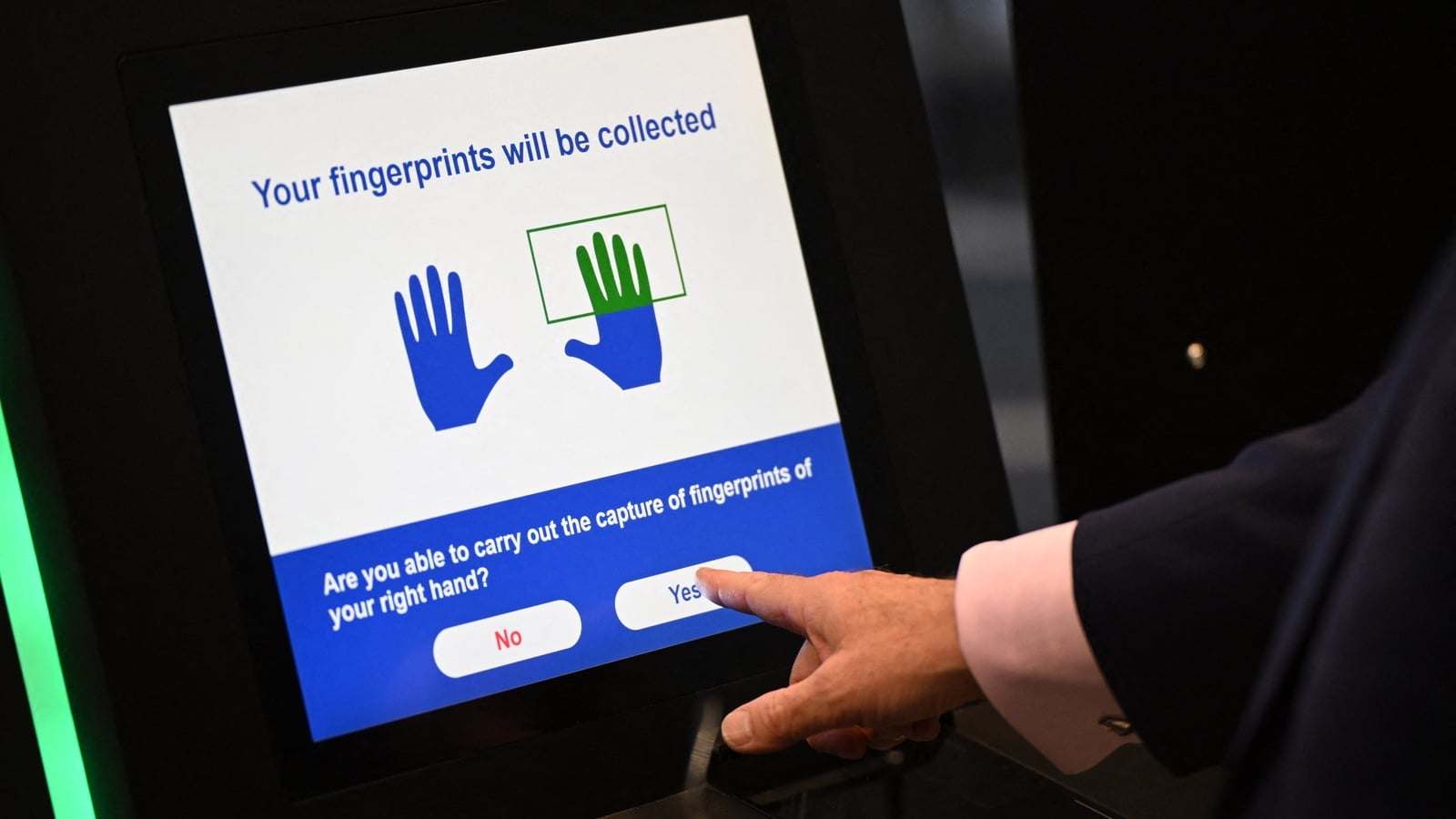
While the numbers highlight success, the rollout has not been smooth. Travelers from third countries—including the UK—now face fingerprinting and photograph registration when entering the 29-nation Schengen Area. The result? Significant queues and delays during the peak summer travel season.
The minister acknowledged the operational challenges but defended the system. "I think it is effective in terms of protecting European Union security," he stated, noting there are mechanisms to suspend the system if needed. The balance between robust security and seamless travel remains a hot topic for Europe's gateways.
How EES Works
- Biometric Registration: Third-country nationals must provide fingerprints and a digital photo on first entry.
- Automated Checks: Every subsequent entry records the person's ID and travel dates.
- Database Sharing: Member states share data to identify overstays or security threats.
- Suspension Clause: Countries can temporarily halt the system in exceptional circumstances.
Ireland's Unique Schengen Opt-Out
One key detail: Ireland is not part of the Schengen Area. The country maintains an opt-out to preserve the Common Travel Area (CTA) with the United Kingdom. This means Irish travelers are unaffected by EES, but UK citizens entering continental Europe—or even traveling via Irish airports to Schengen—are now subject to the new checks.
Background: List of Schengen Countries
The Schengen Area now includes 29 countries: Austria, Belgium, Bulgaria, Croatia, Czechia, Denmark, Estonia, Finland, France, Germany, Greece, Hungary, Iceland, Italy, Latvia, Liechtenstein, Lithuania, Luxembourg, Malta, Netherlands, Norway, Poland, Portugal, Romania, Slovakia, Slovenia, Spain, Sweden, and Switzerland.
"Approximately 1,000 people who have been identified as being a danger to the European Union have been apprehended and stopped as a result of the entry-exit system." – Minister Jim O'Callaghan
What Travelers Need to Know
For those planning trips to Europe this year, the EES means a few extra minutes at passport control. Key points to remember:
- First-time travelers to Schengen will need to register biometrics in person.
- Returning visitors only face a quick digital check (no new fingerprints if data is stored).
- Airports are advised to arrive at least 30 minutes earlier than usual.
- The system does not apply to EU citizens or residents of Schengen countries.
Future Outlook
As the system matures, Commissioner Brunner and national authorities are working to reduce delays. The 1,000 blocked entries underscore a tangible security benefit—a fact Europe's interior ministers may use to justify the temporary travel disruptions. Whether EES becomes a model for global travel remains to be seen, but for now, it's a clear gatekeeper for the EU.