Key Takeaways:
- The European Commission has rejected calls to suspend the Entry/Exit System (EES) despite pressure from airports and airlines warning of summer travel chaos.
- EU officials admit the system is "not perfect" but argue a suspension would create more problems, including incorrect overstay tracking.
- Only 20 of 1,500 border crossing points are flagged as "difficult spots," but industry groups report delays of up to five hours at key hotspots.
- Temporary flexibility, such as suspending biometric registration at peak times, is allowed until September, but no full pause is planned.
EU Stands Firm on Border Checks
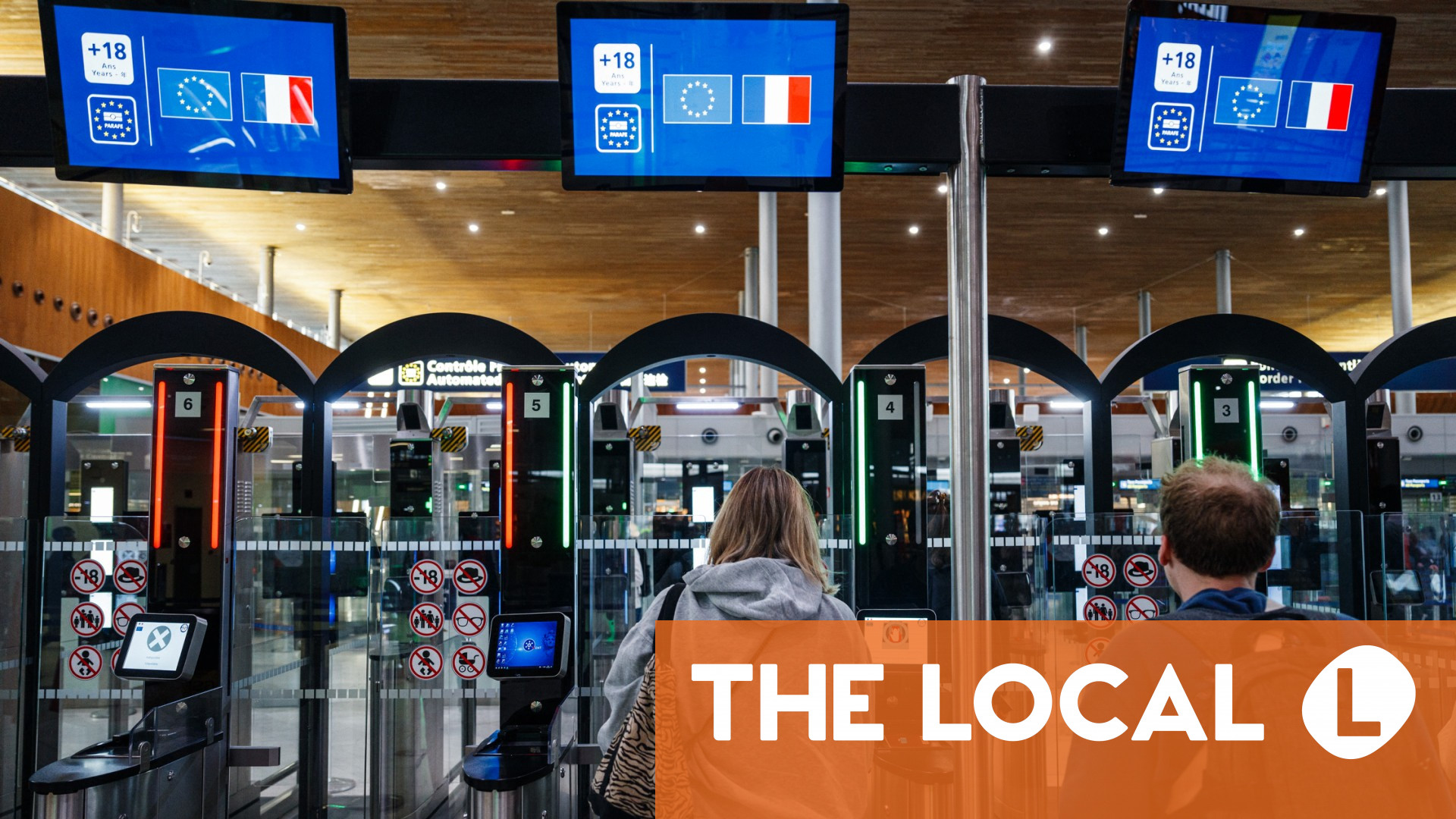
The European Commission is refusing to suspend its strict new border controls, despite urgent demands from the aviation industry to delay them until after the summer travel season. In a letter to EU migration chief Magnus Brunner, seen by AFP, the Commission acknowledged the Entry/Exit System (EES) is "not perfect" but stressed that halting it is "not needed" and "not possible."
Since October 2025, the 29 Schengen area countries—including EU member states plus Iceland, Norway, Switzerland, and Liechtenstein—have used the EES to register biometric data from non-EU travellers. The system replaces passport stamping with digital records of fingerprints and facial images, designed to track entry and exit times and prevent overstays under the 90/180-day rule.
What is the Entry/Exit System?
The EES requires all third-country nationals crossing an external Schengen border to provide biometric data—fingerprints and a facial image—on their first visit. This data is stored in a Europe-wide database and automatically recorded each time the traveller enters or leaves the Schengen zone.
The goal: Replace manual passport stamping and tighten compliance with visa-free travel limits, reducing overstays and improving border security.
However, since its rollout, the system has caused significant delays, especially during peak holiday periods like Easter. The International Air Transport Association (Iata) last week demanded a suspension until after summer, warning of "queue chaos" at airports in Portugal, Spain, Italy, Greece, and Belgium.
Industry Warnings and Chaos at Borders
European airports and airlines have voiced growing frustration over the EES. In a joint letter last week, they warned that wait times had reached up to five hours, calling on the Commission to act immediately to prevent summer travel disruptions. Ryanair, in particular, raised alarms about queues at popular holiday destinations, saying the delays were undermining Europe's reputation and tourism sector.
The letter, signed by aviation organisations, accused the EES of "undermining Europe's reputation, European tourism, and connectivity." They stressed that the delays, initially seen as a teething problem, were now a "critical point" that required urgent intervention.
EU Response: A System Under Strain
EU officials admitted that while the EES works well at most of the 1,500 border crossing points, around 20 locations are classified as "difficult spots" where delays are persistent. "A large majority of crossing points function without any issues," a Commission official said, but added that efforts are being ramped up to resolve problems at these hotspots.
Brunner, the EU migration chief, defended the system in his letter, stating that it is "making Europe safer, every day." He noted that the EES was "rolled out carefully and gradually" and that early challenges were anticipated. The rules already allow for temporary flexibility until early September, such as suspending biometric registration during peak hours if queues become unmanageable.
However, Brunner also pointed to factors outside the EES that could cause delays, such as insufficient staff or lack of adequate infrastructure at border points. He stressed that the system itself is not the sole culprit.
What Happens Next?
Under current regulations, airports and ports can temporarily suspend the EES if queues become unmanageable, but this opt-out expires in September 2025. After that, full compliance will be required at all border crossings.
The Commission has vowed to resolve the remaining issues at difficult spots, but a full suspension remains off the table. For travellers, this means continued vigilance: prepare for possible delays at major airports, especially during peak hours, and ensure all biometric data is ready on first entry. For now, the EU is betting on the system's long-term benefits over short-term disruptions.