Key Takeaways:
- A WTTC survey reveals 33% of travelers from key markets (US, UK, Canada, Australia) would avoid the Schengen Area if EES queues regularly surpass three hours.
- This could translate to up to 41 million fewer arrivals from these four countries alone.
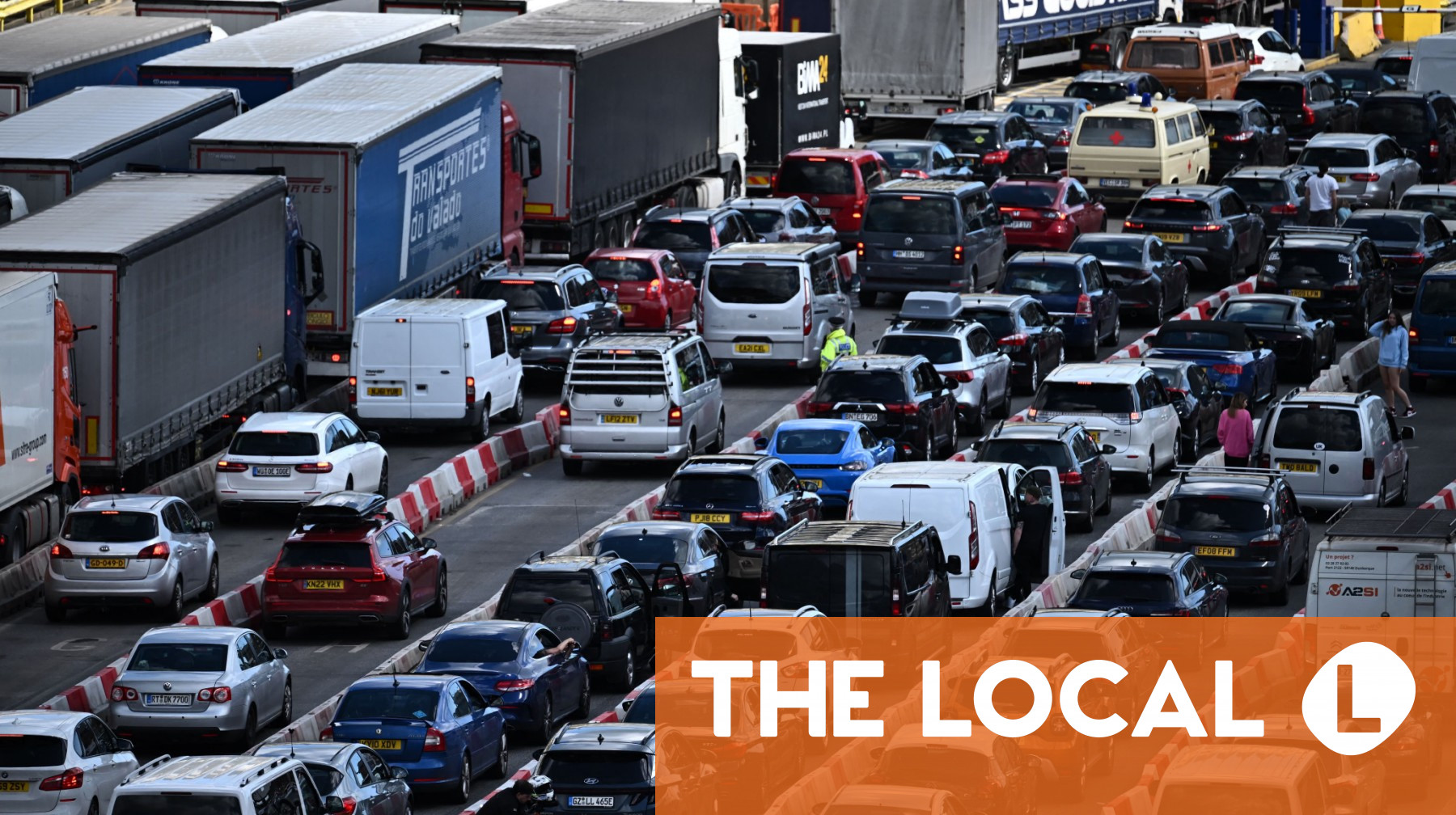
- European ferry ports warn that summer will be the first real stress test, urging flexibility to prevent chaos like the recent Dover delays.
New Border System Sparks Traveler Fears
Europe's new Entry/Exit System (EES) — designed to replace manual passport stamps with digital biometric records — is causing anxiety among travelers and industry leaders alike. A recent survey by the World Travel & Tourism Council (WTTC) indicates that long queue times could significantly impact tourism.
According to the survey, around 33% of respondents from the UK, US, Canada, and Australia would be less likely to travel to the Schengen area if waiting times regularly reached three to four hours. The WTTC estimates this could jeopardize up to 41 million arrivals from these critical source markets.
Britons are the most wary, with 39% saying they would avoid travel in long-wait scenarios, followed by Americans and Canadians (33%), and Australians (27%).
The Silver Lining: Support for EES Still Strong
Despite these fears, the survey also highlights broad public support for the new system. A striking 87% of respondents said they would accept some disruption if future travel becomes smoother. Furthermore, 65% supported the EES after learning about it, with only 6% strongly opposed to biometric border controls.
Travelers cited key benefits: improved border security (57%), faster processing on future trips (52%), and greater confidence in border controls (43%). This suggests that while initial hiccups are concerning, the system's long-term potential is widely recognized.
Ferry Ports: Summer Will Be a Stress Test
Meanwhile, the European Sea Ports Organisation (ESPO) has raised alarms about the upcoming summer season. They warn that ferry ports — often major entry points for the Schengen Area — could face severe congestion similar to the chaos seen at the Port of Dover in May. During that incident, French authorities had to temporarily suspend EES checks to alleviate gridlock.
"The congestion experienced at the Port of Dover during the recent May bank holiday weekend… highlights the importance of ensuring sufficient operational flexibility when implementing the EES," an ESPO statement reads.
ESPO Secretary General Isabelle Ryckbost stressed: "The summer period will be the first real stress test of the EES for some of Europe's major maritime Schengen border-crossing points. We must ensure that the long-awaited holiday season does not turn into a period of stress for families and professional drivers alike."
The organization is calling for rapid adoption of pre-registration apps, functioning equipment, adequate staffing, and a public information campaign.
What Needs to Happen Next
To avoid deterring millions of travelers, the WTTC recommends:
- Fast adoption of a pre-registration app to streamline data collection.
- Functioning equipment at all border points to prevent breakdowns.
- Sufficient staffing levels to handle peak demand.
- A communication campaign to inform travelers about EES requirements.
Currently, 55% of travelers have heard little or nothing about the EES, and 49% do not know what is required of them when entering or exiting the Schengen Area. This lack of awareness could exacerbate delays as unprepared travelers encounter unexpected procedures.
Bottom Line: Smooth Implementation Is Key
The EES, which has been gradually rolled out since October 2025 and fully since April 2026, aims to modernize border management. However, its success hinges on seamless implementation and public education. As Gloria Guevara, WTTC President and CEO, put it: "As with any major transformation, there will inevitably be teething problems. The challenge now is not whether EES should proceed, but how governments, border authorities and the travel and tourism sector work together to ensure implementation is as smooth as possible."
The stakes are high: without careful planning, Europe risks turning away millions of visitors — and the economic benefits they bring — just as the summer travel season kicks off.