Key Takeaways:
- A WTTC survey of 2,500 travelers found 33% may avoid the Schengen area if queues exceed three hours, potentially losing 41 million arrivals.
- British travelers are most likely to stay away (39%), followed by US/Canada (33%) and Australia (27%).
- Ferry ports warn of summer stress tests, calling for flexible EES enforcement after delays at Dover.
- 87% of travelers would accept disruption for smoother future travel, and 65% support EES after learning about it.
Travelers Spooked by Prospect of Long Border Delays
European tourism faces a new threat: the Entry/Exit System (EES). A survey by the World Travel & Tourism Council (WTTC) reveals that around one-third of travelers from key markets—the UK, US, Canada, and Australia—would be less likely to visit the Schengen zone if regular waiting times reach three to four hours.
The data paints a stark picture: up to 41 million arrivals could be at risk from these four crucial source markets. Britons are the most cautious (39% would reconsider), followed by US and Canadian citizens (33%), and Australians (27%).
Yet, the mood is not entirely negative. Once informed about the EES, 65% of respondents supported the system. Many acknowledged its benefits: 57% cited improved border security, 52% saw potential for quicker future processing, and 43% gained greater confidence in border controls.
The EES: A Digital Leap with Painful Teething Problems
The EES replaces manual passport stamping with digital records in a centralized EU database. It requires biometric data—fingerprints and facial images—collected in person at the first entry into Schengen. Since its gradual rollout on October 12, 2025, with full implementation from April 10, 2026, results have been mixed.
While some borders operate smoothly, others face severe delays. The system aims to enhance security and streamline travel over time, but initial friction is causing frustration.
Ferry Ports Sound the Alarm for Summer
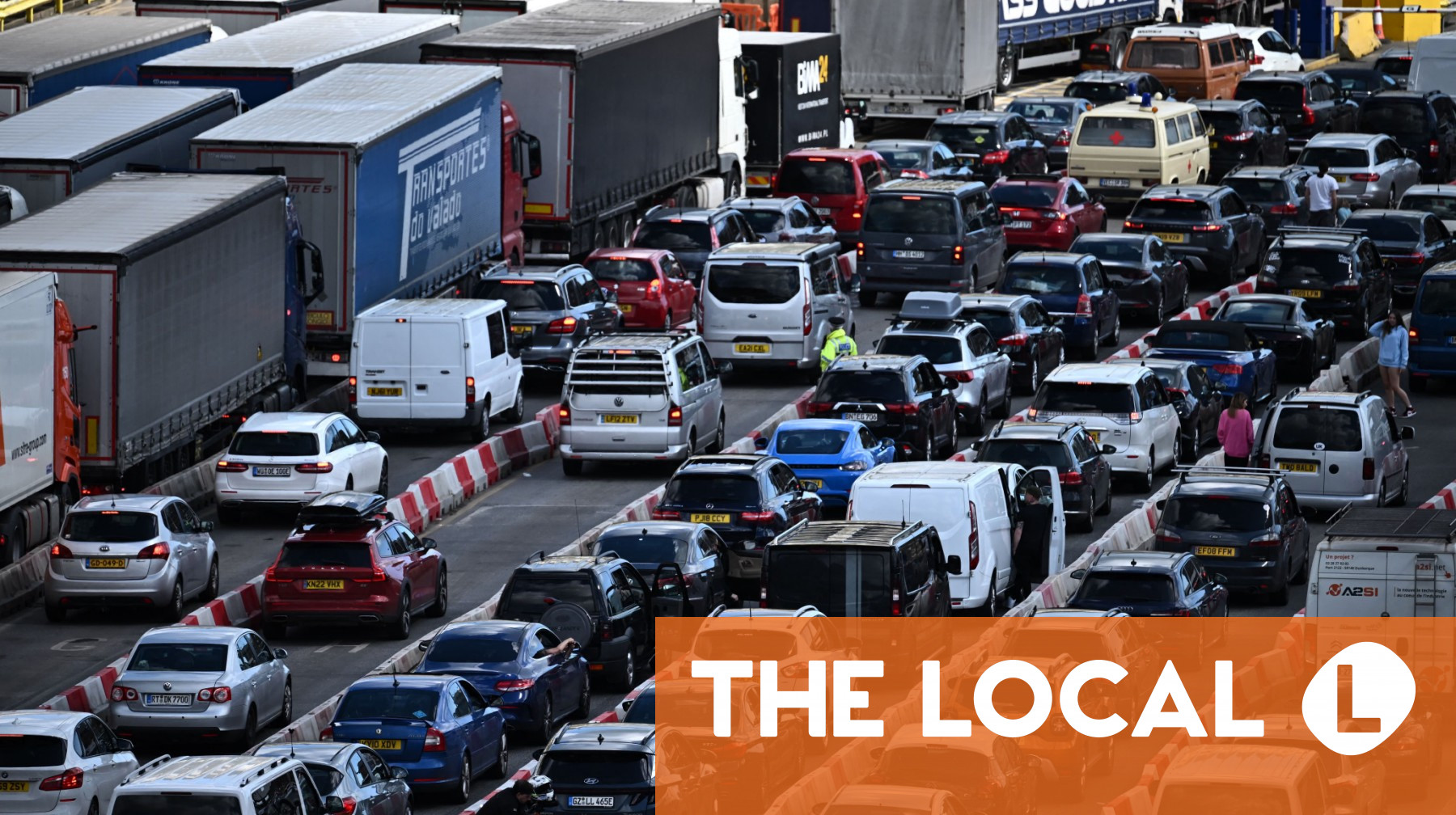
The European Sea Ports Organisation (ESPO) has called for flexibility at ferry ports during the peak summer season. Lessons from chaos at the Port of Dover in May, where long queues forced a temporary suspension of EES checks by French authorities, have prompted urgent warnings.
"The summer period will be the first real stress test of the EES for some of Europe's major maritime Schengen border-crossing points," said Isabelle Ryckbost, ESPO’s Secretary General. "We must ensure the holiday season does not become a period of stress for families and professional drivers."
ESPO emphasizes the need for flexible enforcement under existing legal frameworks to avoid congestion that disrupts passengers, trade, and local communities.
Bridging the Awareness Gap
A critical issue is public knowledge: 55% of travelers have heard little or nothing about the EES, and 49% are unclear on what is required when entering or exiting the Schengen Area. This lack of awareness fuels uncertainty and potential delays.
The WTTC calls for a pre-registration app, functioning equipment, adequate staffing, smoother border processing, and a communication campaign to inform travelers. Gloria Guevara, WTTC President and CEO, noted: "As with any major transformation, there will inevitably be teething problems. The challenge now is not whether EES should proceed, but how governments, border authorities, and the travel sector work together to ensure implementation is as smooth as possible."
What Travelers Should Know
To avoid surprises, travelers to the Schengen Area should:
- Expect initial biometric checks at the first entry, which may take longer than manual stamping.
- Monitor updates from border authorities and port operators for real-time queue information.
- Consider traveling during off-peak hours or using less congested entry points.
Despite short-term pain, the EES promises long-term gains: faster cross-border travel, enhanced security, and reduced bureaucracy. But this summer will test whether Europe can balance efficiency with the human cost of waiting.