Key Takeaways:
- From 8 July 2026, children aged 8 and 9 can use e-gates at UK airports, provided they are at least 120cm tall and accompanied by an adult.
- The expansion is expected to benefit around 1.5 million additional children and cover 13 major airports.
- This move comes amid ongoing challenges with the EU's new Entry/Exit System (EES), which has caused long queues for UK travellers in Europe.
UK airport e-gates: A major expansion for family travel
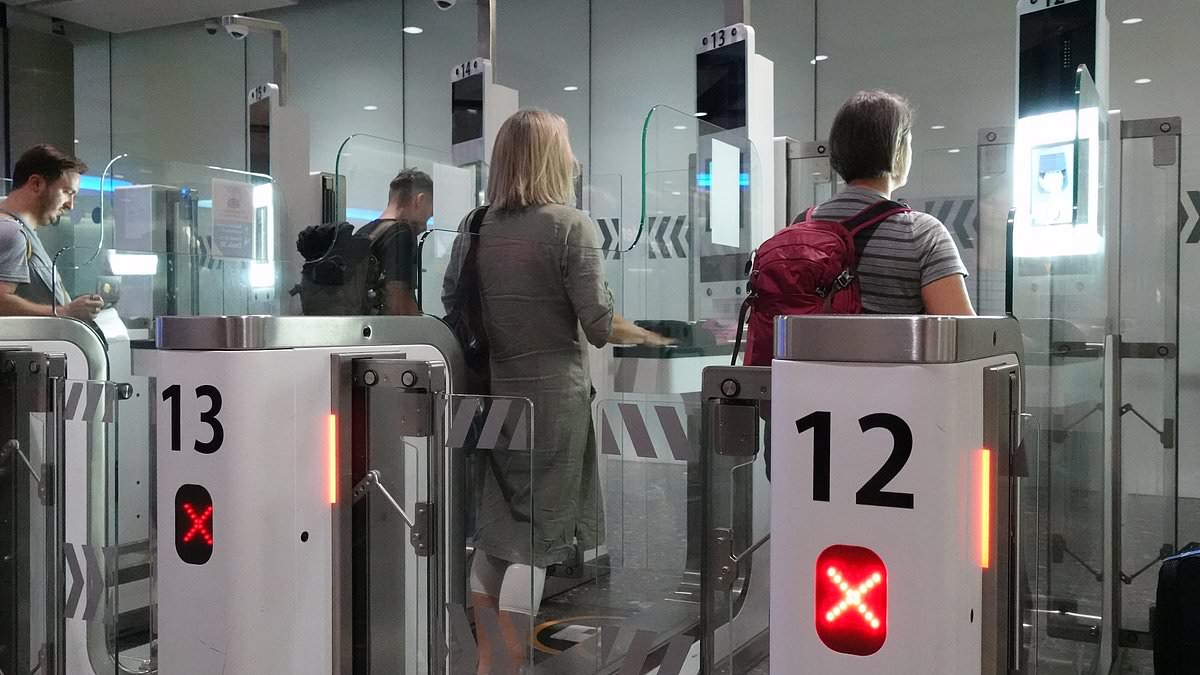
The UK Home Office has announced a significant change to border processing: starting 8 July 2026, children aged eight and nine will be permitted to use automated e-gates at airports across the country. Previously, only passengers aged 10 and above could use these gates, which are designed to speed up the entry process by using biometric scanners.
To use the e-gates, children must be at least 120cm tall so the cameras can capture their facial features, and they must be accompanied by an adult. The government estimates this change will allow around 1.5 million extra children to pass through the gates each year.
Which airports are affected?
The new rules will apply to 13 UK airports:
- London Heathrow, London Gatwick, London City, London Luton, London Stansted
- Manchester, Birmingham, Bristol, East Midlands, Newcastle
- Cardiff, Edinburgh, Glasgow
These airports collectively host more than 290 e-gates, making the expansion a major operational shift.
Who can use e-gates?
Currently, e-gates are available for British passport holders whose passports display the biometric symbol. However, the system also permits some non-British residents, including citizens of the United States and Australia, to use the gates. The Home Office has not indicated any changes to these eligibility rules for foreign nationals.
Minister for migration and citizenship Mike Tapp said: "By expanding eGate access, more families can experience a swifter and smoother journey home – freeing up precious time this summer holiday season."
Karen Dee, chief executive of AirportsUK, added: "It will give more families the ability to take advantage of this technology, speeding up the border process and reducing waiting times for many."
Broader context: EES chaos in Europe
The UK's move comes at a time when European airports are grappling with the full rollout of the Entry/Exit System (EES) – an automated digital border system for non-EU nationals entering the Schengen Area. The EES requires travellers to register fingerprints and photographs, which has led to long queues and delays, particularly for UK citizens.
In response, some European countries have taken steps to ease the burden:
- Spain has introduced special assistance lanes for families and passengers with disabilities.
- Greece has temporarily suspended fingerprinting and facial scans to reduce queues.
The UK's e-gate expansion is seen as a way to keep its own borders efficient while European neighbours struggle with new technology, offering a smoother experience for families returning home.
What this means for travellers
For families planning summer travel to the UK, this change should reduce waiting times at border control. Parents no longer need to queue at staffed counters for children aged 8-9, provided they meet the height requirement. However, children under 8 or shorter than 120cm will still need to be processed manually.
Note: Passports must have the biometric symbol for e-gate use. Check your child's passport before travel.
Overall, the Home Office expects the expansion to make UK airports more welcoming and efficient, especially during peak holiday periods.