Key Takeaways: The EU's Entry/Exit System (EES) is not fully operational as promised, causing 2-3 hour waits at airports. Key Channel ports like Dover and Eurostar lack the technology to implement it. The European Commission now calls April 10th the "start of the rollout," not its completion.
Despite the European Commission declaring the Entry/Exit System (EES) "fully operational" as of April 10th, the reality on the ground tells a different story. The new biometric border regime, which requires non-EU travelers to submit facial scans and fingerprints, is causing significant disruption and remains partially implemented.
Airports across the Schengen area are reporting severe delays, while crucial UK-France border points are not yet equipped to enforce the rules at all.
Airport Delays and Missed Flights
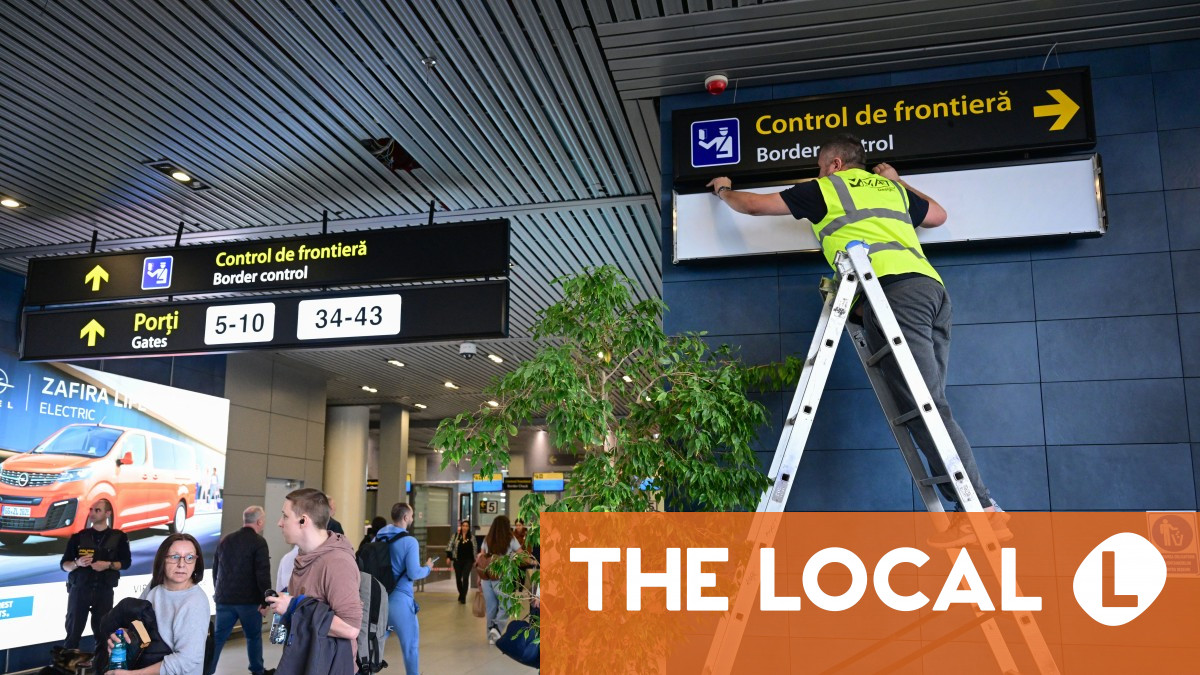
Reports from the Airports Council International (ACI) confirm widespread problems. During peak times, passengers face border control waits of two to three hours. This is happening even though border guards are frequently using "partial suspension" measures to skip biometric captures.
The delays are having a direct impact on flight operations.
- One flight to the UK departed missing 51 passengers.
- Another flight had zero passengers at the gate at closing time, with 12 still stuck in line 90 minutes later.
These disruptions occur despite the system having processed over 52 million entries and exits since its initial launch in October 2025. The Commission notes that 27,000 travelers have been denied entry and 700 identified as security threats during this period.
Channel Crossings in Limbo
A major stumbling block is the implementation at the vital UK-France border. At juxtaposed controls in Dover, Folkestone, and St Pancras International (for Eurostar), the EES has only been applied to a small fraction of passengers.
The full rollout is stalled, awaiting a green light from the French government. The issue is technological: France has not yet supplied the necessary equipment to ports and operators like Eurotunnel and Eurostar to process the biometric data.
This means travelers on ferries, the Eurotunnel Le Shuttle, and Eurostar services are not yet subject to the new checks. The delay adds another layer of uncertainty to cross-Channel travel, which has already faced post-Brexit congestion.
A Shift in Rhetoric from Brussels
Faced with these implementation gaps, the European Commission has softened its language. A spokesperson clarified that April 10th marked "the start of the full roll out," not its completion.
The Commission acknowledged that implementation varies between member states and placed the responsibility for smooth operations squarely on national authorities.
"Border fluidity should also be ensured by the Member States by providing enough resources and personnel at heavy-traffic border crossing points," a Commission spokesperson stated.
What is the EES?
The Entry/Exit System is a major digital overhaul of Schengen border controls. It replaces the manual stamping of passports for travelers from outside the EU and Schengen area (like the UK).
On first entry, these third-country nationals must register:
- Four fingerprints
- A facial image
This data is then used to automatically calculate and enforce the 90-day visa-free stay limit across the 29-country Schengen zone. While designed to enhance security and monitor overstays, its rocky rollout is currently testing the patience of travelers and the capacity of Europe's borders.