Key Takeaways:
- French authorities suspended the new EU Entry/Exit System (EES) checks at the Port of Dover on Saturday after queues hit four hours.
- Holidaymakers faced 30°C heat, gridlock, and missed LeShuttle services at Folkestone.
- EES requires UK travelers to register fingerprints and photos; machines at Dover were not yet operational.
- Port traffic is now free-flowing, but the incident highlights ongoing EES rollout issues.
Gridlock at Dover and Folkestone
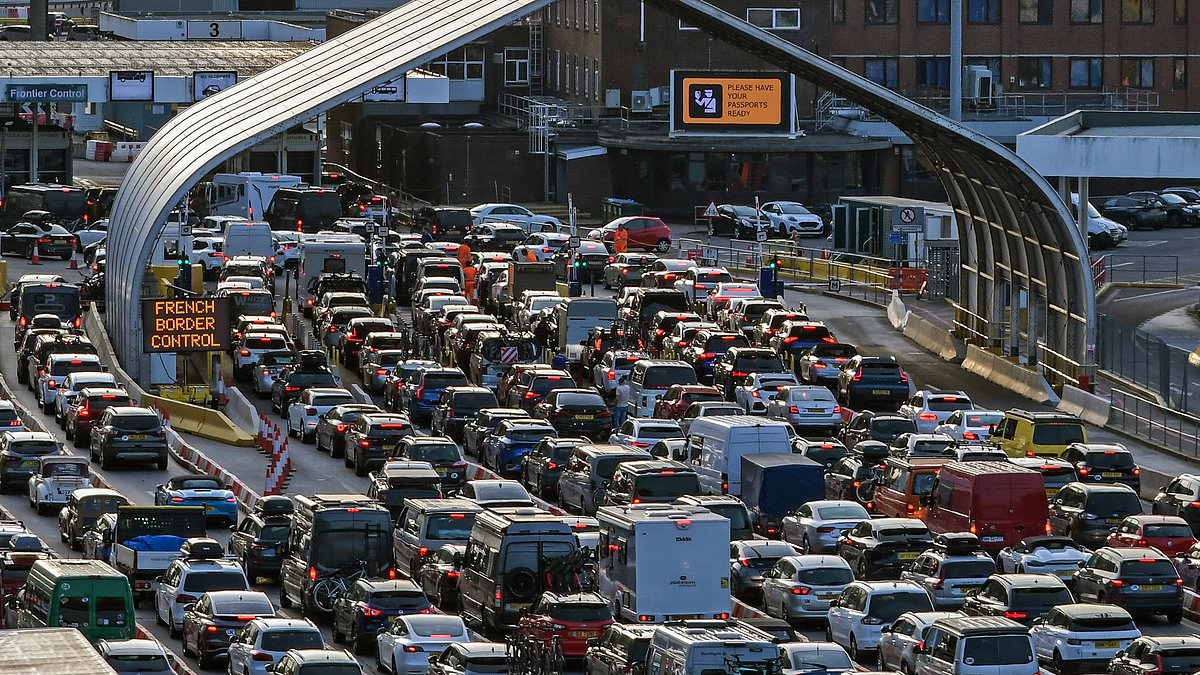
Travellers heading to the continent for the May Bank Holiday weekend were met with utter chaos this morning. Images from the Port of Dover show massive tailbacks, with motorists stuck in queues stretching back to Folkestone. The sweltering 30°C heat added to the misery, as many reported no access to roadside services or toilets.
One passenger posted on X: "Queue to get into Dover via A20 currently extends to Folkestone. Journey from hell in 31C, no roadside services or toilets." Another described the scene at Folkestone as "utter chaos", with delays of two hours and counting.
The Port of Dover confirmed that waiting times peaked at around four hours this morning, while travellers booked on the LeShuttle service at Folkestone faced two-and-a-half-hour delays.
New EU Border System Blamed
The chaos was largely triggered by the rollout of the European Union's Entry/Exit System (EES), which came into force on April 10. Under EES, travellers from third-party countries — including the UK — must have their fingerprints registered and a photograph taken before entering the Schengen Area, which comprises 29 European countries.
However, French authorities had not yet activated the biometric machines at Dover. This meant the checks took longer than intended, creating a bottleneck that worsened congestion.
"We recognise that the border process is slower with the current EES system, and this May Half Term is the first peak period since its introduction," the Port of Dover said in a statement.
Suspension Brings Relief
By lunchtime, the situation had grown so severe that French border police — the Police Aux Frontieres — agreed to suspend the additional EES checks to help clear the backlog. The Port of Dover announced that traffic was now "free flowing" on its approach roads.
In a bid to ease waits, the port also said anyone who had missed their ferry due to the queues could travel on the next available slot free of charge.
Heatwave Adds to the Misery
The travel disruption unfolded as the UK experiences a week-long heatwave. Temperatures hit 30°C in southern England on Saturday, hotter than Athens, Split, or even Victoria in the Seychelles. An amber heat health alert was issued by the UK Health Security Agency (UKHSA) for much of England, warning of "notable weather" through to Wednesday.
The combination of heat, long queues, and lack of facilities turned the getaway into an ordeal for many families.
Wider Travel Disruption
- Rail strikes by the Transport Salaried Staffs' Association are affecting West Midlands Railway and London Northwestern Railway services.
- Network Rail engineering works are closing the East Coast Main Line between York and Darlington from Saturday to Monday.
- No Thameslink services through central London this weekend, impacting Gatwick and Luton airport connections.
- Buses replace trains between Newport and Bristol Parkway for two weeks.
Travel trade organisation Abta reported strong demand for short-haul holidays to Spain, Italy, and Portugal, but the EES delays are casting a shadow on the getaway.
What is the EES System?
The Entry/Exit System is an automated IT system designed to register non-EU nationals travelling for short stays. It replaces passport stamping and aims to strengthen border security. However, its introduction has been problematic:
- May 2026: First major test during UK half-term — resulted in delays of up to three hours.
- April 2026: Airports Council International reported EES causing delays of up to three hours at airports in Spain, Portugal, France, and Italy.
- April 2026: More than 100 easyJet passengers missed a flight from Milan Linate to Manchester due to passport desk delays.
What Travellers Need to Know
- If you are travelling to the EU, expect longer border processing times at ports and airports where EES is active.
- Biometric checks (fingerprints and photo) are mandatory for UK citizens entering the Schengen Area.
- Plan ahead: Arrive early, carry water, and check for updates from your port or airline.
- The system is still in its early phase; further peak travel periods may cause similar issues.
Looking Ahead
French authorities have temporarily suspended EES checks at Dover to clear the current backlog, but the system is expected to be reinstated. The Port of Dover is working with French border teams to improve processing times, but the incident underscores the teething problems of the new EU border regime.
For now, traffic is flowing again, but the Bank Holiday weekend's chaotic start is a stark reminder of the challenges ahead for UK travellers heading to Europe.