Key Takeaways
- Deutsche Bahn (DB) is expanding international services as fuel prices rise, with cross-border travel up 30% since 2019.
- New summer routes include Cologne to Ghent/Bruges, Frankfurt to Bordeaux, and Prague to Copenhagen via Hamburg and Berlin.
- A direct Munich-Milan-Rome connection is planned for 2027, but a direct London link remains stalled due to non-Schengen security hurdles.
- DB runs entirely on green electricity for long-distance trains, making it immune to fossil fuel price spikes, while airlines struggle.
The Shift to Rail: Why Travelers Are Leaving Cars and Planes Behind
With fuel prices skyrocketing and Europe facing a potential jet-fuel shortage, this summer may be remembered as the season of the train. Deutsche Bahn (DB), Germany's national railway operator, is poised to benefit, reporting a surge in international bookings. In 2025, 25 million of its 140 million long-distance passengers crossed borders—a 30% increase from 2019—and the trend is accelerating.
"International rail transport has become more attractive for many people," says Michael Peterson, DB's long-distance board member. He notes that city-centre-to-city-centre travel, avoiding distant airports, is a key draw. As driving and flying grow costlier, railways offer a stable alternative.
Deutsche Bahn's Summer 2026 Expansion: New Routes and More Trains
This summer, DB is rolling out a suite of expanded and new international connections, targeting popular European destinations.
Copenhagen to Prague: Starting mid-June, the direct connection via Hamburg and Berlin will double to two daily trains. This route launched in May 2026 after a decade-long gap, linking Scandinavia with Central Europe.
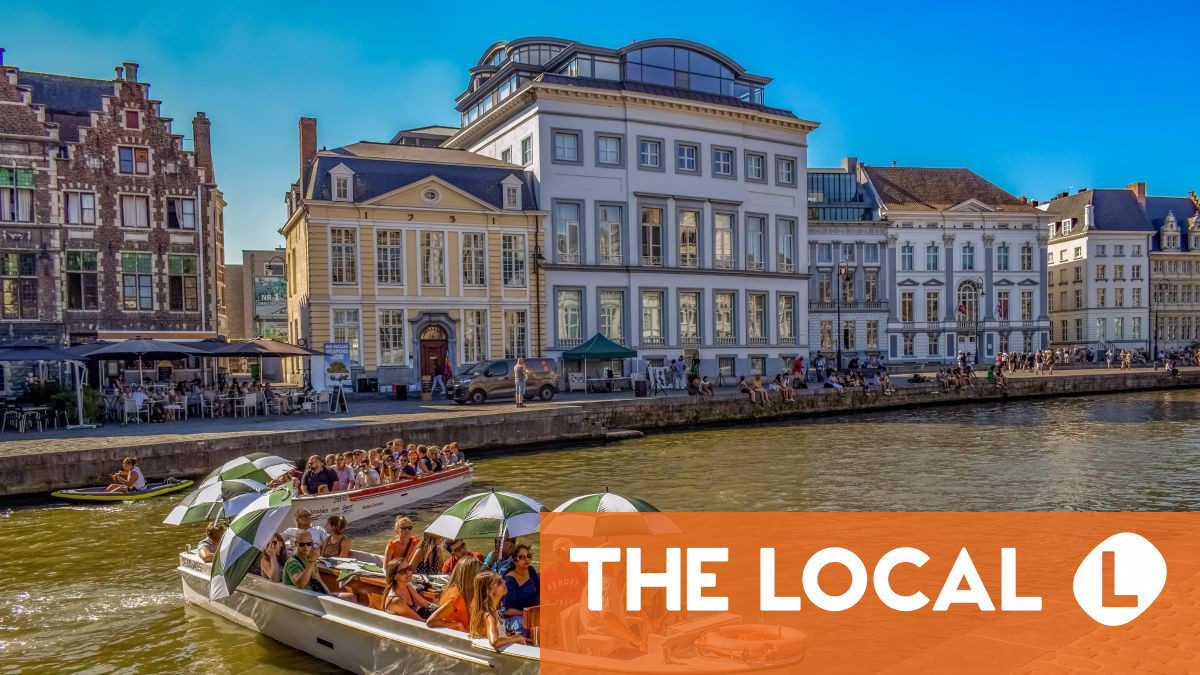
Belgian Coast: From June to August, the ICE service from Cologne to Brussels extends to Ghent, Bruges, and the Belgian coast on weekends, perfect for sun-seekers.
Frankfurt to Bordeaux: A seasonal Saturday direct service in July and August connects Germany's financial hub with France's wine capital, bypassing Paris.
Cologne to Antwerp: From September 7, four daily ICE trains will run to Antwerp, with a first-ever stop at Brussels Airport, easing air-rail connections.
Looking Ahead: 2027 and Beyond
DB is working with Italy's Trenitalia and Austria's ÖBB to launch a direct Munich-Milan-Rome service by 2027, a game-changer for Alpine travel. Demand is also high for the Berlin-Paris route (currently eight hours via Frankfurt), with talks underway to add more trains. "There is interest in expanding the connection on both sides," Peterson confirms.
The London Obstacle: Why a Direct Link Remains Elusive
Despite progress, a direct Germany-to-London rail connection faces major hurdles. Britain's non-Schengen status requires dedicated terminals with border and security checks at both ends—a costly logistical challenge. For now, travelers can reach London from Frankfurt or Cologne, but must change trains in Brussels. Talks continue, but no timeline exists.
Fuel Prices and Punctuality: DB's Mixed Fortunes
The Fuel Advantage: While airlines like Lufthansa warn of fuel shortages and cancellations, DB's long-distance trains run on 100% green electricity, insulating them from oil price shocks. DB has also hedged against 2027 electricity costs, ensuring stable pricing. Peterson reports demand spikes of up to 10% on high-fuel-price days.
The Punctuality Challenge: DB's notorious delays remain a pain point. The company targets 60% punctuality for 2026, hitting 64.4% in April but dropping to 52% in January. Major infrastructure upgrades are underway to improve reliability, following disastrous lows of around 40% last June.
What This Means for Travelers
As Europe grapples with energy costs, rail is emerging as a resilient, eco-friendly choice. DB's expanded network offers more options for seamless city-center travel, but delays persist. For now, summer 2026 looks bright for international train travel—just pack patience along with your ticket.