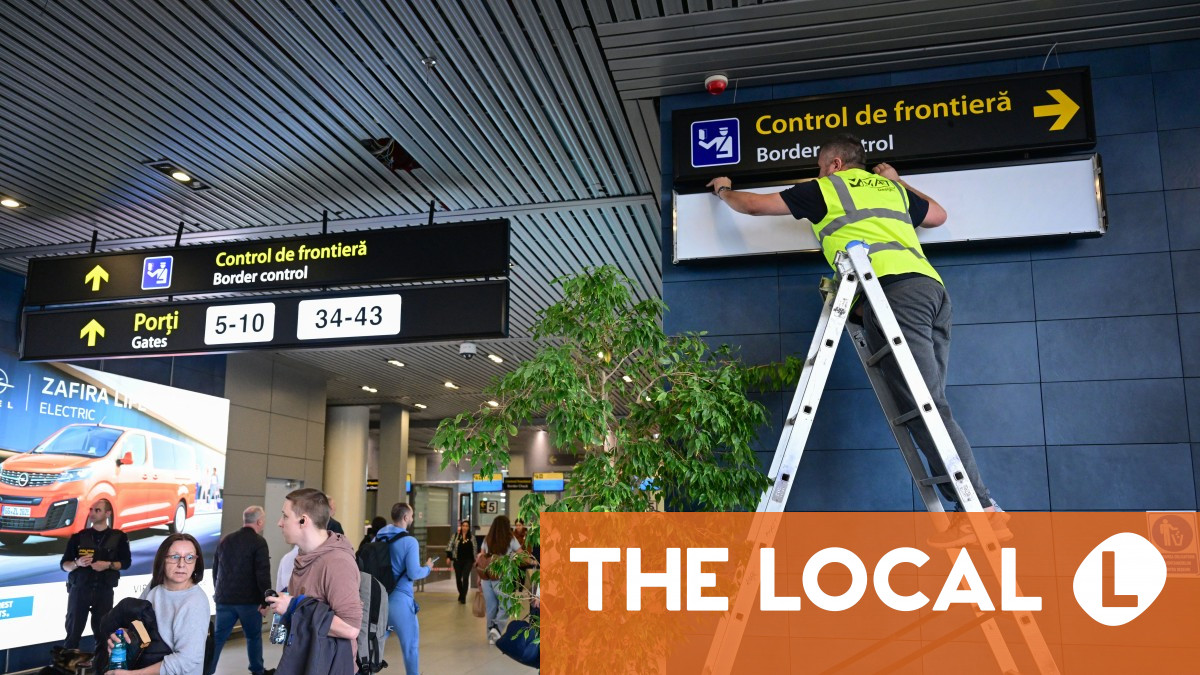
Key Takeaways: The EU's new Entry/Exit System (EES) is causing significant disruption, with airport waits of 2-3 hours. Key Channel ports like Dover and Eurostar lack the technology for full rollout. The European Commission now calls April 10th the "start" of implementation, not its completion.
A 'Fully Operational' System Facing Reality
The European Commission declared a "significant milestone" for Friday, April 10th: the day the Entry/Exit System (EES) would become "fully operational" across all Schengen external borders. The reality on the ground tells a very different story.
Instead of a seamless transition, airports and ferry terminals are grappling with delays, missing technology, and passenger chaos. This casts serious doubt on the smooth implementation of the new biometric border regime for non-EU travelers.
Airport Gridlock and Missed Flights
Reports from the Airports Council International (ACI) confirm widespread disruption. During peak periods, border control waiting times have ballooned to two to three hours for third-country nationals.
This is happening even though border guards are using "partial suspension" measures to skip biometric captures in an attempt to keep lines moving. The delays are having a direct impact on flight operations:
- One UK-bound flight departed missing 51 passengers.
- Another flight had zero passengers at the gate at closing time.
- 90 minutes later, 12 passengers from that flight were still stuck in border queues.
The ACI warns these are not isolated incidents but indicative of systemic pressures as the EES is applied.
Channel Crossings Stalled by Tech Gaps
While airports struggle, the situation at crucial UK-France border points is arguably worse. Full EES implementation is not yet happening for passengers arriving via:
- Eurostar at St Pancras
- Eurotunnel's Le Shuttle
- Cross-Channel ferries
The hold-up is attributed to delays in France developing and supplying the necessary technology to process and collate biometric data at juxtaposed controls in Dover and Folkestone.
Port authorities and travel companies are still waiting for the French government's green light. This leaves a major gap in the system's coverage at one of Europe's busiest borders.
What is the EES and Why the Fuss?
The Entry/Exit System (EES) is a major overhaul of Schengen border management. It replaces manual passport stamping with an automated, digital register.
Key facts about the EES:
- It applies to all non-EU/Schengen nationals, including British travelers post-Brexit.
- On first entry, travelers must register facial images and fingerprints at an external border.
- The system tracks entries, exits, and overstays automatically.
- It launched gradually starting October 12th, 2025.
According to the Commission, the system has already recorded 52 million entries/exits, denied entry to 27,000 travelers, and identified 700 as security threats since its initial rollout.
Shifting Deadlines and Member State Responsibility
Faced with the evident problems, the European Commission has softened its language. A spokesperson clarified that April 10th marked "the start of the full roll out," not its completion.
The Commission acknowledges that "implementation can vary from Member State to Member State" and places the onus on national authorities to ensure proper implementation and border fluidity.
"Border fluidity should also be ensured by the Member States by providing enough resources and personnel at heavy-traffic border crossing points," a Commission spokesperson said.
This shift highlights the tension between the EU's centralized regulation and the decentralized, often uneven, execution by member states—a recurring challenge for Schengen-area policies.
The Road Ahead for Travelers
For now, travelers should brace for continued disruption and prepare for longer arrival times, especially at airports. The promise of a fully digital, efficient border is yet to be realized.
The delays at Channel ports provide a temporary reprieve for cross-Channel commuters and tourists, but the new checks are inevitable. When the technology finally arrives, the historically congested Dover border will face its biggest test yet.
The EES saga underscores a difficult truth about large-scale EU IT projects: ambitious deadlines often collide with the complex realities of infrastructure, technology, and on-the-ground logistics. For millions of travelers, that collision is now creating hours of waiting time.