Key Takeaways:
- Four people died off northern France trying to board a small boat bound for the UK.
- The 2026 death toll for Channel crossings now stands at six.
- Europol announced a major bust of a Vietnamese smuggling ring using the EU's Schengen Area as a transit route.
- UK-France cooperation on curbing crossings remains under negotiation.
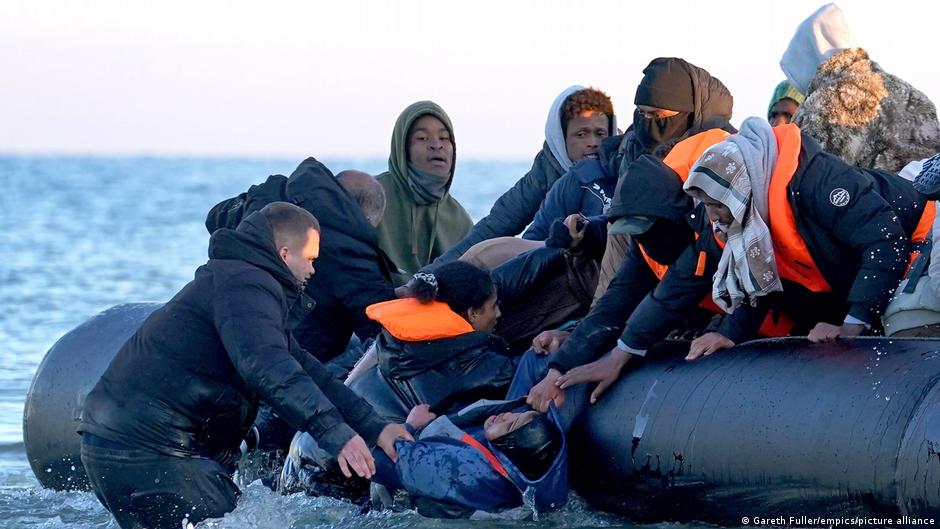
Four people lost their lives early Thursday morning off the coast of northern France. They were swept away by strong currents while attempting to board a dinghy—what French authorities call a "taxi-boat"—to cross the English Channel to the UK.
The incident occurred between Equihen-Plage and Hardelot-Plage, near Boulogne. At least 42 others were rescued. One person is being treated for hypothermia and 37 more received emergency care.
Francois-Xavier Lauch, the prefect of the Pas-de-Calais region, confirmed the deaths. "They were already quite far into the sea," he said. "The currents, which can be dangerous here, swept them away." He placed the blame squarely on smugglers.
A Persistent and Deadly Route
This tragedy brings the total number of migrant deaths recorded in the Channel so far in 2026 to six. Two other individuals died in a separate incident on April 1.
While crossings typically decrease during the harsh winter months, they are expected to rise with warmer weather. The UK Home Office reports nearly 5,000 people have arrived via small boats this year alone, with over 450 arriving in the first week of April.
In 2025, more than 40,000 people made the perilous journey.
"Every death in the Channel is a tragedy and a stark reminder of the dangers posed by criminal gangs exploiting vulnerable people for profit," a UK government spokesperson said.
The UK and France recently failed to agree on a new beach patrol deal, instead extending current arrangements while negotiating a longer-term plan. The issue remains highly politicized in British discourse.
Europol's Cross-Border Smuggling Bust
In a related development on Thursday, Europol announced the dismantling of a Vietnamese migrant smuggling ring. The network exploited the EU's Schengen Area to funnel people to the UK.
The operation's modus operandi reveals a complex, multi-stage journey:
- Migrants entered the Schengen Zone using Hungarian-issued short-stay visas or residence permits.
- They then flew to France and were housed in the Paris region.
- Finally, they were transported to the northern coast for the Channel crossing on small boats.
Europol stated the final leg was organized by a connected Kurdish-Iraqi network active in northern France.
The Scale of the Operation
Law enforcement made eight arrests across Europe:
- Six in France
- One in Germany
- One in Hungary
Authorities seized around 20 passports, vehicles, electronic devices, and approximately €10,000 in cash. Europol estimates the group's criminal profits reached up to €3 million.
The network charged migrants an astounding €22,000 for the full journey—a sum equivalent to several years' salary for an average earner in Vietnam. They were moving at least 15 people per month through this route.
The Broader Context of EU Travel
This bust underscores how criminal organizations systematically abuse Europe's freedom of movement. The Schengen visa and open internal borders, designed to facilitate travel for citizens and legitimate visitors, are being weaponized by smuggling networks.
The tragic deaths in the Channel and the high-profile police operation highlight the ongoing, multifaceted challenge at the EU's external and internal borders. It's a stark reminder of the human cost of irregular migration and the sophisticated, profitable criminal enterprises it fuels.