Key Takeaways:
- Romania launches a single national digital platform to manage foreign worker access transparently and securely.
- A new “employer pays” principle bans agencies from charging fees to workers.
- Shortage occupation lists updated every six months will guide recruitment.
- Financial deposits required to cover repatriation and enforcement costs.
- Measures aim to curb illegal migration and protect workers from abuse.
Digital Revolution for Foreign Worker Management
Romania is taking a major step to modernize its labor migration system. The government has approved a new ordinance that introduces a single national digital platform to manage the entry and employment of foreign workers. This move aims to simplify procedures, slash approval times, and bring transparency to the process.
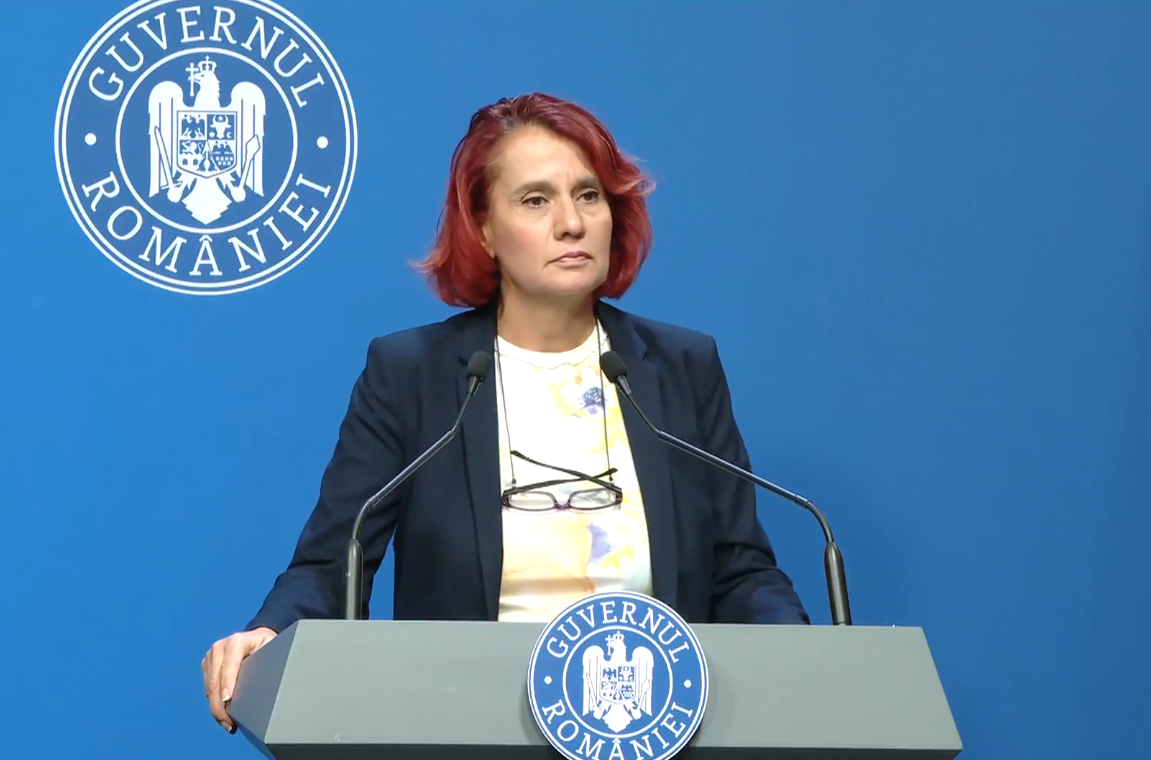
“The new regulations facilitate Romanian entrepreneurs’ access to the workforce from third countries, simplify procedures, and reduce approval times,” said Dogioiu, a key official involved in drafting the rules. “We know there is a need for labor in the Romanian market.”
The platform will centralize all applications and data, allowing authorities to verify employer registrations and monitor compliance in real time.
Shortage Occupation Lists: A Dynamic Tool
A cornerstone of the new system is the creation of a shortage occupation list, updated every six months. This list will be approved by government decision based on data from the National Agency for Migration and the National Institute of Statistics, with input from social partners.
“The principle is that jobs must first be filled by workers available within the country. The use of foreign labor must be justified and regulated.” – Dogioiu
This ensures that foreign recruitment only occurs when domestic workers are not available, protecting the local workforce while keeping the economy running smoothly.
Financial Deposits: Preventing Abuse and Covering Costs
To tackle past abuses, the ordinance mandates a financial deposit from recruitment agencies. This deposit serves as a guarantee to cover:
- Costs of repatriating workers if needed
- Support for workers in at-risk situations
- Enforcement of administrative fines for non-compliant agencies
“A mandatory preventive protection mechanism that guarantees coverage of costs related to repatriation and support provided to workers,” explained Dogioiu.
“Employer Pays” Principle Ends Worker Fees
Perhaps the most significant protection for foreign workers is the introduction of the “employer pays” principle. Recruiters and employers are now explicitly banned from charging any fees, commissions, guarantees, or deposits to the workers themselves.
“This aligns us with OECD standards,” Dogioiu emphasized. “The standardization of contracts and prohibition of fees protects workers from exploitation.”
This move directly targets abusive intermediation, a common complaint among migrant workers in Europe.
Combating Illegal Migration: A Schengen Bonus
Romanian authorities also see the new rules as a weapon against illegal migration – a crucial issue given Romania’s ongoing efforts to fully join the Schengen Area.
“People were brought in under this guise – so-called workers to Romania – whom we would later find in other EU countries, and for whose repatriation Romania paid significant sums,” noted Dogioiu. “This caused problems during our Schengen accession process.”
By tightening oversight and requiring digital registration, the government expects to close loopholes that allowed illegal migrants to enter Romania under the pretense of work.
What This Means for Employers and Workers
For Romanian employers, the new system offers faster and clearer procedures. They must register on the electronic platform and prove that no local candidate is available before hiring a foreign worker. Authorities can then verify compliance easily.
For foreign workers, the ordinance provides stronger legal protection against scams, unpaid wages, and deportation costs. The standardized contracts and employer-pays rule ensure they are not saddled with debt before they even start work.
Looking Ahead
Romania’s labor market has long struggled with both shortages and illegal immigration. This balanced approach – digitizing bureaucracy, prioritizing local hires, and cracking down on abuse – could serve as a model for other EU member states facing similar challenges.
The next steps will be the operational launch of the digital platform and the publication of the first shortage occupation list. Time will tell if the new rules fully achieve their goals, but the direction is clear: transparency, protection, and efficiency.