Key Takeaways:
- Michel Barnier suggests the UK could rejoin the EU while keeping the pound and staying outside the Schengen Zone.
- Current EU rules allow opt-outs: Denmark has a permanent euro exemption; Ireland is outside Schengen.
- The comments come amid UK political shifts, with PM Starmer pushing closer ties and a critical by-election looming.
A Surprising Offer from Brussels
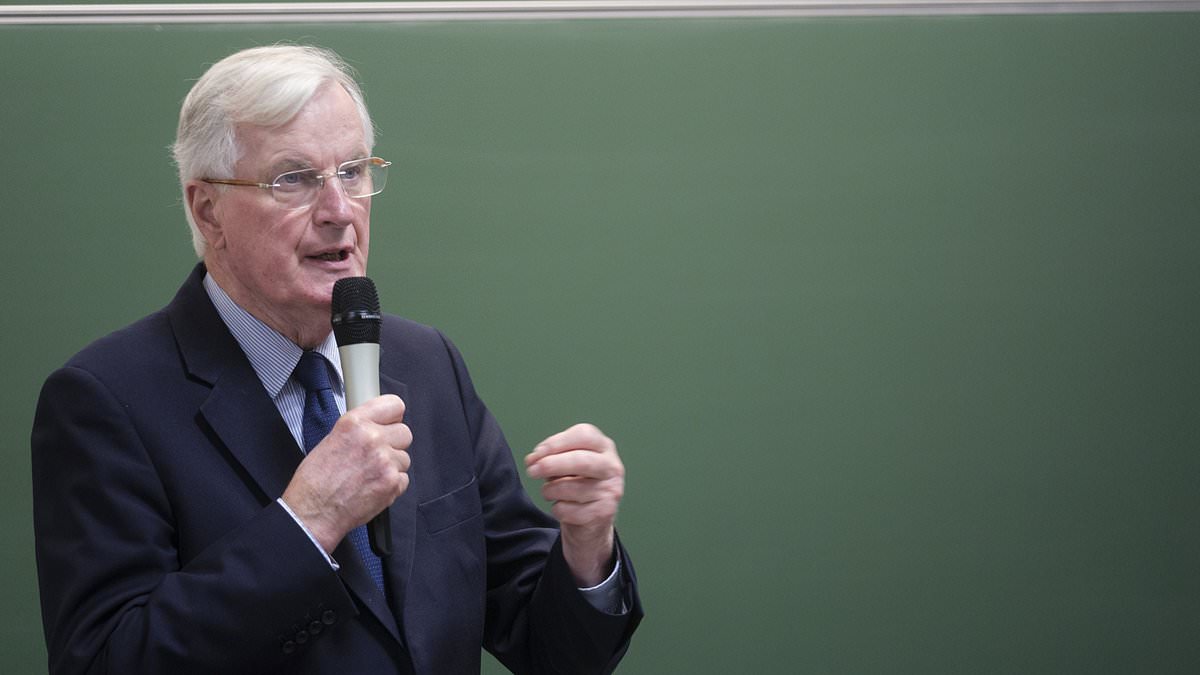
Former EU chief Brexit negotiator Michel Barnier has stirred the debate on UK-EU relations by stating that Britain could rejoin the bloc without adopting the euro or joining the Schengen passport-free zone. In an interview ahead of the 10th anniversary of the Brexit referendum on June 23, Barnier argued that special opt-outs are not only possible but already exist for other member states.
"I am speaking about Schengen, I am speaking about the single currency: there are other member states who are not in them," Barnier said. "It is perfectly possible to have opt-outs in these fields."
The Legal Reality of Opt-Outs
While EU treaties generally require new members to eventually adopt the euro and join Schengen, exceptions are already in place. Denmark has a permanent opt-out from the euro, and five of the 13 nations that joined since 2004 have not yet adopted the single currency. Similarly, Ireland is officially outside the Schengen Area.
Barnier noted that the treaty does not impose a strict timetable for euro adoption, leaving room for negotiation. "The DNA of the EU is solidarity that the more developed country helps the other," he said. "We will see if the UK decides to ask to join the EU. It will be a choice and it will be open to negotiation."
A Decade of Regret?
Reflecting on the 2016 vote, Barnier said it was becoming "clearer every day" that the UK made the wrong choice. He acknowledged that not all of Britain's problems stem from Brexit, but argued that "all these problems are more difficult because of Brexit." He pointed to poor economic growth and toxic immigration debates as compounded by leaving the bloc.
Political Turbulence in the UK
Barnier's intervention comes at a delicate political moment. Prime Minister Keir Starmer is facing internal party pressure and a critical by-election in Makerfield, where challenger Andy Burnham has questioned the wisdom of reopening Brexit divisions. Starmer, however, has made resetting EU ties a cornerstone of his economic strategy, promising a July summit to boost cooperation on trade, security, and the cost of living.
Burnham has struck a more cautious tone, saying earlier this month: "My view is that Brexit has been damaging, but I also believe the last thing we should do right now is rerun those arguments."
What This Means for Travelers and Expats
If the UK were to rejoin the EU with a Schengen opt-out, it would mean that border checks between the UK and continental Europe would likely remain. For travelers and expats, this could preserve the current system of passport checks while potentially restoring freedom of movement for work and residence. The future of the Common Travel Area with Ireland, which allows free movement between the UK, Ireland, and the Channel Islands, would also need careful negotiation.
The Road Ahead
While Barnier says he is "ready at that time for free advice," the path to rejoining is long and uncertain. The UK would need to trigger Article 49 of the Treaty on European Union, followed by unanimous approval from all 27 member states and ratification in national parliaments. Public opinion remains divided, with recent polls showing a slight lead for rejoining, but political momentum is fragile.
For now, Barnier's words offer a glimpse of a possible future where the UK can be "in Europe but not fully in the euro and Schengen" - a middle ground that might appeal to both Remainers and those wary of deeper integration.