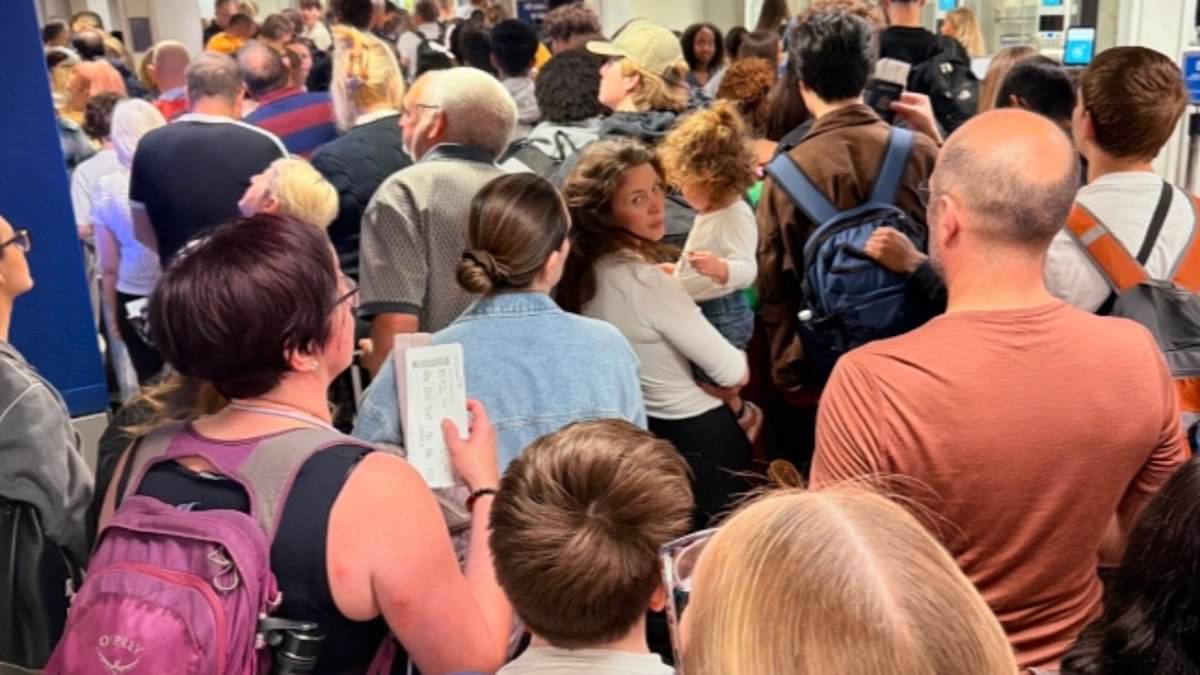
Key Takeaways
- The new Entry/Exit System (EES) has caused severe delays at major European airports since its full rollout in April 2026.
- Milan Malpensa, Lisbon, Paris-Charles de Gaulle, Frankfurt, Copenhagen, Alicante, and Málaga are among the worst affected hubs.
- In response, some airports have introduced special lanes for families and vulnerable passengers.
- Holidays to Turkey, Cyprus, and Morocco remain EES-free, offering a hassle‑free alternative.
What Is the EES and Why Is It Causing Problems?
The Entry/Exit System (EES) is an automated digital border system that started rolling out in October 2023 and has been fully operational in 29 countries since April 2026. It requires non‑EU nationals – including UK citizens – to register fingerprints and photographs when entering the Schengen Area (which includes most EU countries plus Iceland, Norway, Liechtenstein, and Switzerland).
While designed to strengthen border security and streamline data collection, the system has been blamed for long queues, passenger frustration, and even missed flights. Budget airline Ryanair has urged European governments to temporarily scrap the system, calling it a “travel nightmare”. Research by Holiday Extras shows that one in 30 UK holidaymakers have already changed their destination because of EES delays.
The Worst Airports for EES Queues
Milan Malpensa – Italy
Travel expert Simon Calder described Milan Malpensa as “one of the worst hubs for EES delays”. After a recent flight from Gatwick, he reported that biometric checks took a full hour even though he was the first passenger off the plane. Compounding the problem, security staff then asked for fingerprints again at a second checkpoint – a process Calder says “is absolutely not in the rules”.
Social media accounts from April show passengers waiting over two hours to clear passport control after landing.
Milan Linate – Italy
Passengers at Milan Linate have experienced chaotic scenes, with reports of people vomiting and fainting while standing in three‑hour queues. In one incident, around 100 easyJet customers were left stranded when their flight to Manchester departed without them – the airline cited “unacceptable” EES delays that forced the crew to leave before passengers could board.
Lisbon – Portugal
Lisbon Airport has been hit particularly hard. Former UK and EU diplomat Rupert Joy tweeted about “complete chaos”, with many travellers missing flights despite arriving hours in advance. One Reddit user described queues “stretching through the whole very long terminal and then outside”, adding that security abandoned the new system and resorted to stamping passports as fast as possible.
So serious is the situation that Portugal’s Prime Minister Luís Montenegro has threatened to suspend the EES – a move supported by Lisbon’s mayor, Carlos Moedas.
Paris‑Charles de Gaulle – France
CDG Airport has also been flagged by Calder. A parent travelling with a child under 12 complained of queuing over two hours for passport control, with “at least a hundred people ahead”. The problem is especially acute for passengers making short onward connections within Europe: if you need to exit the Schengen transit area, EES checks can add hours to your journey.
Frankfurt – Germany
Like Paris, Frankfurt Airport handles huge volumes of connecting traffic. Calder warned that travellers trying to catch onward flights within Europe face “awful” waits, particularly those flying from UK regional airports into the main hubs.
Copenhagen – Denmark
Copenhagen Airport has caught the attention of the UK Foreign Office, which now advises British travellers to allow extra time when travelling through the airport. The guidance warns that “you may experience delays at passport control” and suggests passengers with short connections plan accordingly. Airport staff in yellow vests are managing the queues, but the situation remains challenging.
Alicante and Málaga – Spain
Spain’s busiest hubs are under severe strain. The country’s police union says Alicante Airport is being pushed to “breaking point” due to EES and staff shortages. Meanwhile, at Málaga Airport, a British holidaymaker and her daughter missed their flight, costing the family £1,000 and causing a 24‑hour delay.
Ryanair has reported waiting times of one to two hours at many Spanish airports, including Lanzarote, Tenerife South, Gran Canaria, Reus, and Fuerteventura. In response, Spanish airport authority AENA has requested that workers assist vulnerable passengers and families with young children to bypass the longest queues.
Where to Go Instead: EES‑Free Destinations
If you want to avoid the EES entirely, there are plenty of sunny alternatives outside the Schengen zone.
- Turkey – Demand for holidays here has jumped by 57% compared to last year, according to data from booking platform On the Beach. With no EES queues, Turkey is attracting hordes of tourists looking for a stress‑free escape.
- Cyprus – Still outside the Schengen Area, Cyprus offers beaches, hotels, and great weather without biometric border checks. It’s a perfect choice for a classic summer holiday.
- Morocco – In North Africa, Agadir is a coastal gem with crystal‑clear water, sandy beaches, and 300 days of sunshine a year. It has been named the most affordable destination for a summer getaway in 2026.
Practical Tips for Travellers
- Arrive early – Allow at least 3 hours before departure for flights to Schengen countries, especially if you’re flying from a busy hub.
- Check airport websites – Some airports have published real‑time queue updates or special measures for families and disabled passengers.
- Connect carefully – If you have a short onward flight within Europe, consider whether EES delays might make you miss it.
- Pack essentials in hand luggage – Water, snacks, and entertainment can make long waits more bearable.
The EES is still in its infancy, and authorities are under pressure to improve the system. For now, planning ahead – or choosing a non‑Schengen destination – is the best strategy for a smooth journey.