Key Takeaways:
- SITA is developing biometric technology that could replace physical passports with facial recognition.
- Current automated border gates take 30–45 seconds; new 'face pods' can process travelers in just six seconds.
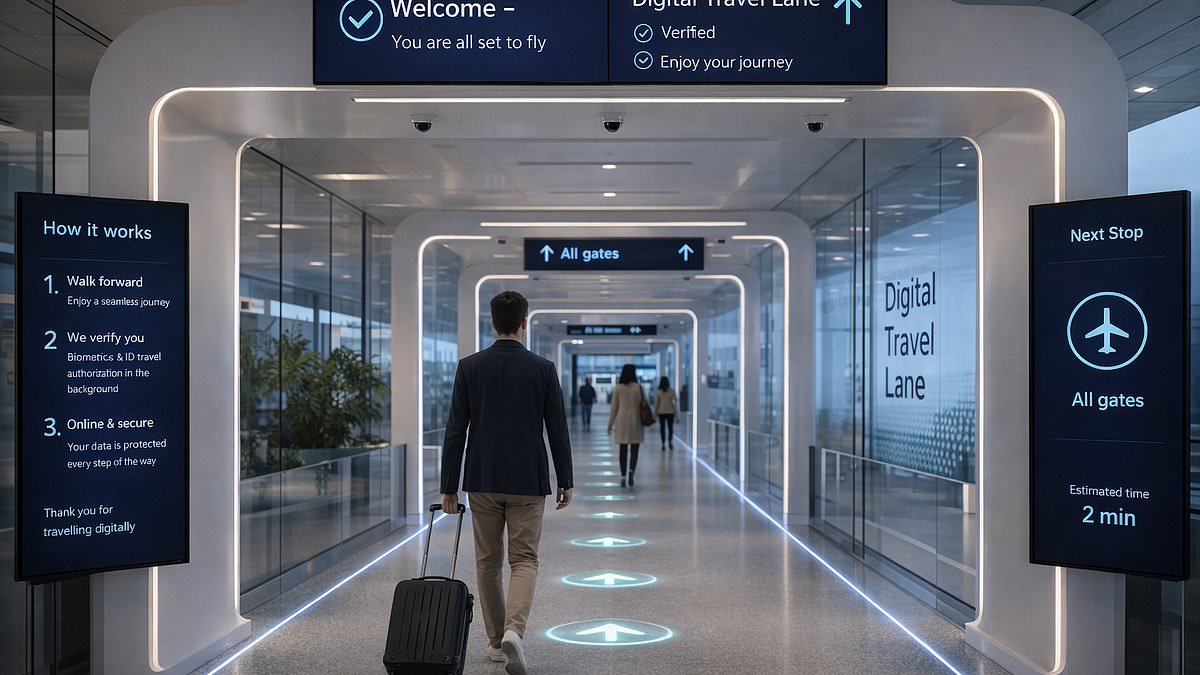
- A 'digital corridor' concept would scan faces as passengers walk through, flagging permitted entries in real time.
- Digital ID apps already in use in Aruba; European rollout depends on regulatory approval, not technical hurdles.
The Long Wait at Passport Control
Getting to the airport early only to face lengthy passport queues is all too familiar. The introduction of the Entry/Exit System (EES) in the Schengen area has led to reports of waits up to three hours at some borders this year, with passengers missing flights.
But relief is on the horizon. Société Internationale de Télécommunications Aéronautiques (SITA), the world's leading air transport IT specialist based in Reading, UK, is pioneering solutions that could transform the travel experience.
The Rise of the Digital ID
Imagine leaving your passport in your bag and using your face as your travel document. SITA’s director of industry and innovations, Andy Smith, calls this shift inevitable. The company has already developed an app that lets you upload your passport to your smartphone.
The process is simple: snap your passport, create a digital ID (including expiration date, number, and photo), and verify the chip by placing your phone on the closed document. All data is stored only on your device, protected by a password. If you lose your phone, the app can be deactivated remotely—just like a digital bank card.
"Physical travel documents will stay in our bags. We will use our face as our passport." — Andy Smith, SITA
In Aruba, a full digital travel app and biometric entry system is already in use at immigration. Such systems could one day link directly to airline websites, eliminating the need to manually key in passport numbers.
Fast-Track Biometrics: Gates and Face Pods
Today, most airports use either physical passport kiosks (manual checks taking up to 90 seconds) or Automated Border Control (ABC) gates (30–45 seconds). SITA has developed gates that process passengers in 15 to 20 seconds, and the fastest solution—a 'face pod'—completes the process in just six seconds.
Escape tested a face pod: a slim white stand with a camera at the top. If your passport isn't pre-registered, the screen lights up red with a cross and a message: "Identification failed." This technology is already operational in some North American and Caribbean airports. Its absence in Europe and the UK, says Smith, is "not a technical issue, but a regulatory one."
The Digital Corridor: Walking Through Security
The most futuristic innovation is the digital corridor. As travelers walk through a hallway, cameras scan their faces and identify them instantly. A screen flags who can pass—and who cannot—without requiring passengers to stop or interact with an officer.
Elements of this system may appear in less-secure areas (like lounges) in the coming months. SITA is evaluating different technical versions to find the best fit for each use case.
Regulatory Hurdles Ahead
While the technology is ready, the main obstacle is regulatory alignment—especially in the Schengen area and the UK. Data privacy and cross-border interoperability remain key challenges. However, with pressure from airlines and airports to reduce congestion, the shift toward biometrics seems inevitable.
What this means for travelers:
- Faster passage: No more standing in long lines for manual checks.
- Less paperwork: Digital IDs that sync across flights and borders.
- Enhanced security: Biometric verification reduces fraud.
A Brave New World at Airports
From face pods to digital corridors, the airport of the near future promises a streamlined, almost invisible border process. While the technology exists, its arrival at European terminals depends on regulators giving the green light. For now, keep your passport handy—but don’t be surprised if, within a few years, your face becomes your ticket.