Key Takeaways:
- Nearly £2bn in British holiday spending is shifting from Schengen this summer due to border delays.
- Spain could lose £720m, while Greece gains £230m after suspending biometric checks.
- Airlines and governments are pressing for urgent action as flight bookings pivot to non-Schengen destinations.
Border Delays Trigger Exodus of British Tourists
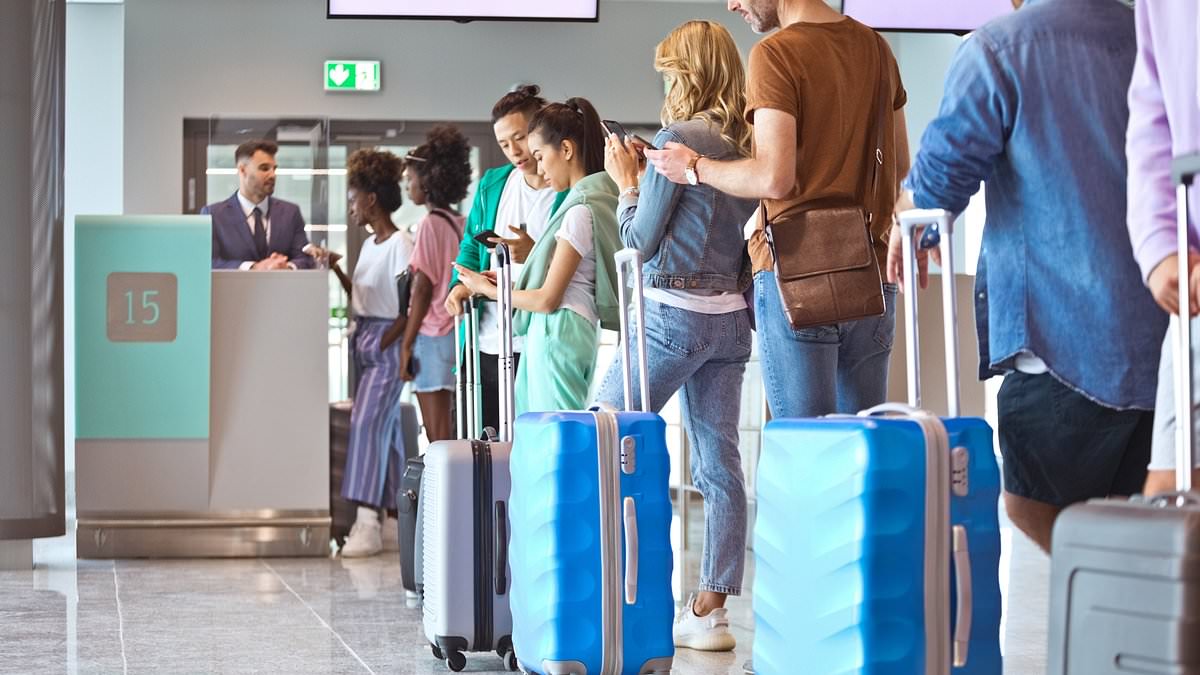
Europe’s new biometric border system is reshaping travel patterns. Since the Entry/Exit System (EES) went live on April 10, long queues and missed flights have driven British tourists away from popular Schengen countries. According to travel company Holiday Extras, one in 30 UK travelers has already changed plans because of border chaos, and nearly a fifth say they may do so this year.
The financial impact is stark. With Brits making 96 million trips abroad annually and spending an average of £830 per trip in the Schengen Area, the region risks losing £1.9 billion in 2026 alone. Spain, France, and Italy are the biggest losers, while Greece benefits from its proactive exemption.
Who Gains and Who Loses?
Spain Faces Largest Hit
Spain, hosting the most British visitors, could lose around £720 million. France and Italy follow, with potential drops of £370 million and £190 million, respectively. The delays at airports like Malaga have prompted airlines like Ryanair and easyJet to call for government intervention.
Greece Emerges as Winner
Greece took the opposite approach. In April, it suspended EES biometric checks for UK nationals, citing tourism protection. The result? A £230 million boost in redirected spending. Greece’s Tourism Ministry reported a 2.8% rise in UK bookings for June soon after the exemption. Trade body Advantage Travel Partnership saw Greece’s share of British holiday bookings jump from 7.7% to 9.8% in a fortnight, while Spain’s share slipped.
Beyond Europe, Turkey and North Africa are also benefiting. easyJet noted a 21% increase in flights to Tunisia, Morocco, and Turkey compared to last year.
Structural Failure, Not a Teething Problem
Matthew Pack, CEO of Holiday Extras, says the EES is more than a headache—it’s an economic threat. "Nearly £2 billion in British tourist spending is at risk of being redirected this summer, and the market is already moving," he warned. "Greece made a decision to put its tourism economy first, and the bookings data shows British holidaymakers have noticed. Every week that Spain, Italy and France delay acting, more of that money flows elsewhere."
Pressure is mounting. Three major airlines—Ryanair, easyJet, and Jet2—have written to European governments demanding action. Industry bodies representing European airports, airlines, and global aviation (ACI Europe, A4E, IATA) sent a joint letter to the EU Commissioner for Internal Affairs. High-profile calls for suspension include Portugal’s Prime Minister, the Mayor of Lisbon, and the Mayor of Faro.
What This Means for Travelers
For UK travelers, the shift is practical. If you’re heading to Schengen, be warned: expect long waits at border control. But if you’re choosing Greece, Turkey, or North Africa, you may breeze through and find better deals. The EES system requires biometric registration—fingerprints and facial scans—for non-EU passengers, causing bottlenecks at busy airports.
Quick Tips:
- Book early for Greece or Turkey to avoid Schengen delays.
- Check airline updates before flying to Spain, France, or Italy.
- Consider non-Schengen alternatives for summer 2026.
The Bottom Line
The EES is a structural failure with real economic consequences. As governments and industry leaders push for suspension, British tourists have already voted with their wallets. The €2 billion question is whether the EU will adapt before more money flows elsewhere.