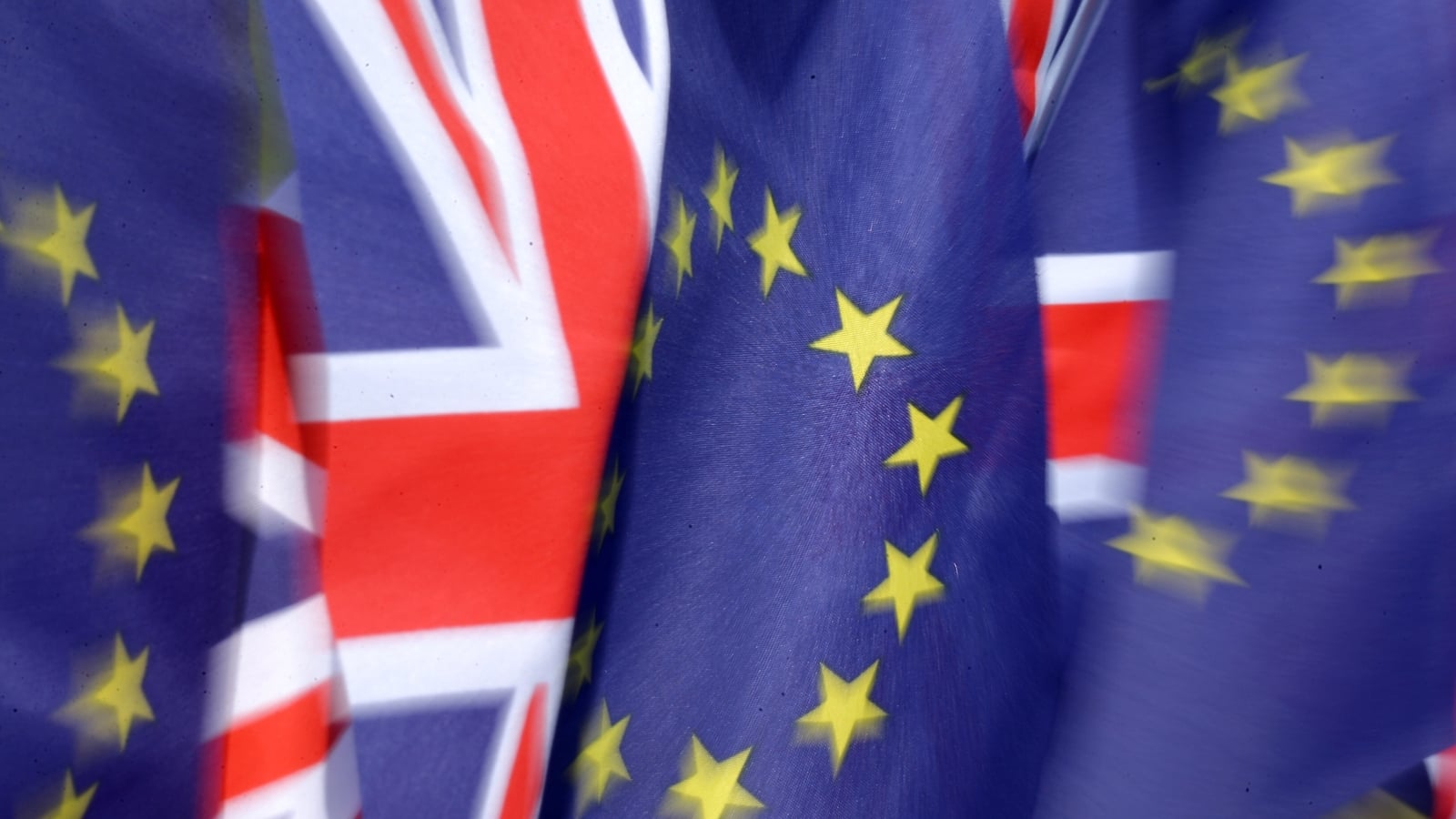
Key Takeaways:
- Most Britons now believe leaving the EU was a mistake, sparking talk of a "Bre-union."
- European diplomats are open in principle to the UK rejoining but require full commitment.
- The EU has evolved post-Brexit, prioritising cohesion and policies that may clash with UK preferences.
- Small-scale deals are advancing, but a full reunion remains a distant prospect.
A Decade of Regret
Ten years after the Brexit referendum, a wave of "divorce regret" is sweeping the UK. Recent surveys show that a clear majority of Britons now think leaving the European Union was a mistake. This sentiment has spawned colourful terms like Brejoin, Breturn, and Bre-entry, hinting at a possible fairytale reunion.
The debate has intensified as a likely Labour leadership challenge looms. Candidate Andy Burnham has spoken of his desire to see the UK back in the EU one day, putting the issue squarely on the political agenda.
But what about the scorned partner? How would the EU respond to a British plea for reconciliation?
The EU's Bottom Line: Commitment Required
AFP spoke to half a dozen European diplomats, all of whom agreed on the basics: in principle, the 27-nation bloc would welcome Britain back. As one diplomat noted, in a polarising world, a nuclear power with a UN Security Council seat and one of the largest economies is an attractive ally.
But the enthusiasm comes with a stiff warning. London must show it is ready for the "burdens" of membership—something it has not yet demonstrated. "They are not yet conceptually willing to accept the burdens that come with membership," a second diplomat explained.
Some went further, suggesting that the EU has actually thrived without Britain. "Things are easier now," commented a third diplomat. "We are no longer having to constantly work around opt-outs on every file. There's more cohesion."
A Changed EU vs. the Old UK
Britain's previous membership was marked by opt-outs: it never joined the euro or the Schengen area, and it famously negotiated a budget rebate. These are now viewed as signs of half-hearted Europeanism.
Since Brexit, the EU has changed significantly. The bloc has embraced policies such as strategic autonomy, European preference, and joint borrowing—initiatives championed by France but likely to have been opposed by London. According to Sebastien Maillard of Chatham House, "The UK doesn't really get the full measure of how much the EU has changed over the last 10 years."
External factors—a pandemic, the war in Ukraine, rising China, and US political shifts—drove this evolution. But Brexit itself also sharpened the focus. As one diplomat noted, the UK's departure proved that leaving is a bad idea, leading to a more mature debate about the EU: "It's no longer about, 'do we want to be in or outside?' but 'what kind of EU do we want to be in?'"
Smaller Fish to Fry: The Path Forward
Would Britain really want to rejoin the current club? The political landscape at home suggests caution. The hard-right, anti-EU Reform UK party is polling strongly, and European nations are wary of weaving tighter ties only to see them unravelled.
Moreover, the EU would likely insist on the same full membership package as other states, not the special terms Britain once enjoyed. The talks to ease the pain of divorce are already proving difficult. A UK proposal to join the single market for goods but not for services, capital, or people was quickly dismissed in Brussels.
Progress is being made on smaller fronts. At a July summit, London and Brussels hope to finalise deals on:
- Food and animal safety standards
- A youth mobility scheme
- Linking their emissions trading systems
For those dreaming of a romantic Bre-union, these may seem like small steps. But in the current climate, as one diplomat put it, "for now, small steps may have to do."