Key Takeaways
- A five-day visa, no flexibility: The German Consulate in Lagos issued a visa for exactly the duration of an AI programme, leaving no room for travel disruptions.
- €60 fine for a simple mistake: Unable to buy a train ticket due to German-only machines and card-only payments, the author was fined despite seeking help from a police officer.
- Flight cancellation leads to airport lockout: When a Royal Air Maroc flight was cancelled after the visa expired, immigration denied entry, forcing a night in the terminal.
- A pregnant colleague's trauma: Another participant, a Moroccan journalist, spent the night on a metal bench, drinking from a toilet tap, and later withdrew from the cohort.
- Systemic failure: The story highlights the absence of compassion in Schengen visa rules and airline crisis management.
The €60 Lesson in Frankfurt's Train Station
The journey started with optimism, but the first blow came before boarding the plane. At the German Consulate General in Lagos, I received a visa valid for five days — the precise length of the AI Leaders programme in Frankfurt. No extra days, no buffer. I thought it was merely inconvenient.
Landing in Frankfurt on a chilly Sunday morning, I rushed to catch breakfast at the hotel. At the train station, I faced a wall of ticket machines with only German language options. My Mastercards failed. No staff at the help desk. A policeman nodded when I asked to board without a ticket, but moments later, he and a colleague boarded the same train and began checking.
"Sixty euros!" they snapped, ignoring my pleas. I paid, and they left at the next station. The taste of injustice lingered.
The Flight That Never Left
The programme went well, but news spread of Lufthansa strikes. My direct flight to Lagos was rebooked via Royal Air Maroc, departing Thursday at 5:55 PM — the last day of my visa. At the airport, boarding was delayed, then cancelled due to a technical fault. "Better they discover it here," a fellow Nigerian traveler said. At 10 PM, we were told the flight would depart at 12:30 PM the next day. My Friday plans—including a UK visa biometric appointment—evaporated.
The Night Germany Locked Me Out
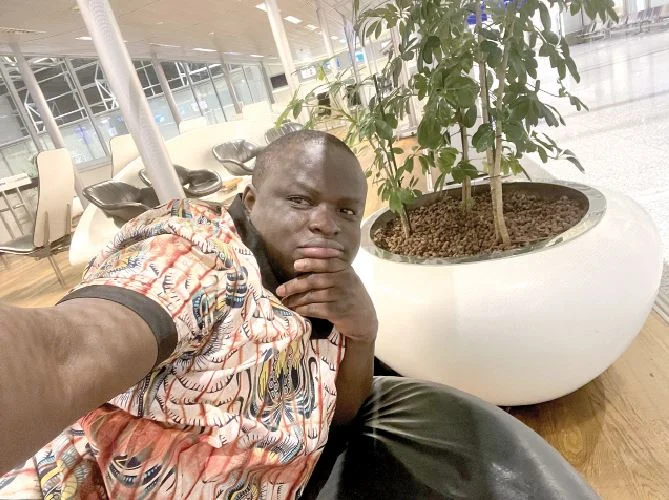
The airline arranged hotel accommodation for stranded passengers. But at immigration, the officer's words hit like a gavel: "Your visa has expired." I explained the cancellation. He nodded, then said, "No." Passengers streamed through, one by one, leaving me alone in the cavernous terminal. Another Nigerian with incomplete papers joined me. We found chairs and settled in for a sleepless night under fluorescent lights.
The Lady Beside the Restroom
At 9 AM, exhausted and hungry, I saw a colleague from the programme. She sat on a metal bench near the restroom, clothes creased, eyes red. "Yes, Samson. I slept here," she whispered, pointing to the bench. "I was hungry and thirsty. At one point, I drank water from the toilet tap." Fighting tears, she added, "This is my first time in Germany. They gave me a five-day visa. I am not coming back to Europe." Later, I learned she was pregnant. She didn't attend the Marseille meeting.
What Frankfurt Left Behind
I returned to Lagos on Saturday, drained and bitter. Lufthansa's automated responses offered no compensation. Germany's system, Frankfurt's airport, and the airlines all failed us. The city itself is beautiful—the Eiserner Steg bridge, Gutenberg Monument, Huhnermarkt square—but true hospitality is not measured in picturesque views. It's measured in how a system responds when things fall apart.
This is a first-person account by Samson Adebayo, a Nigerian journalist and participant in the AI Leaders programme in Frankfurt.