Key Takeaways:
- Ceuta, a Spanish exclave in North Africa, recently saw thousands of migrants attempt to cross from Morocco.
- The territory's origins trace back to Portuguese imperial ambitions in 1415, not a natural European border.
- Experts argue that Spain should return Ceuta to Morocco and lead a more realistic European immigration policy.
- Africa's booming population vs. Europe's demographic decline makes migration a structural issue, not a temporary crisis.
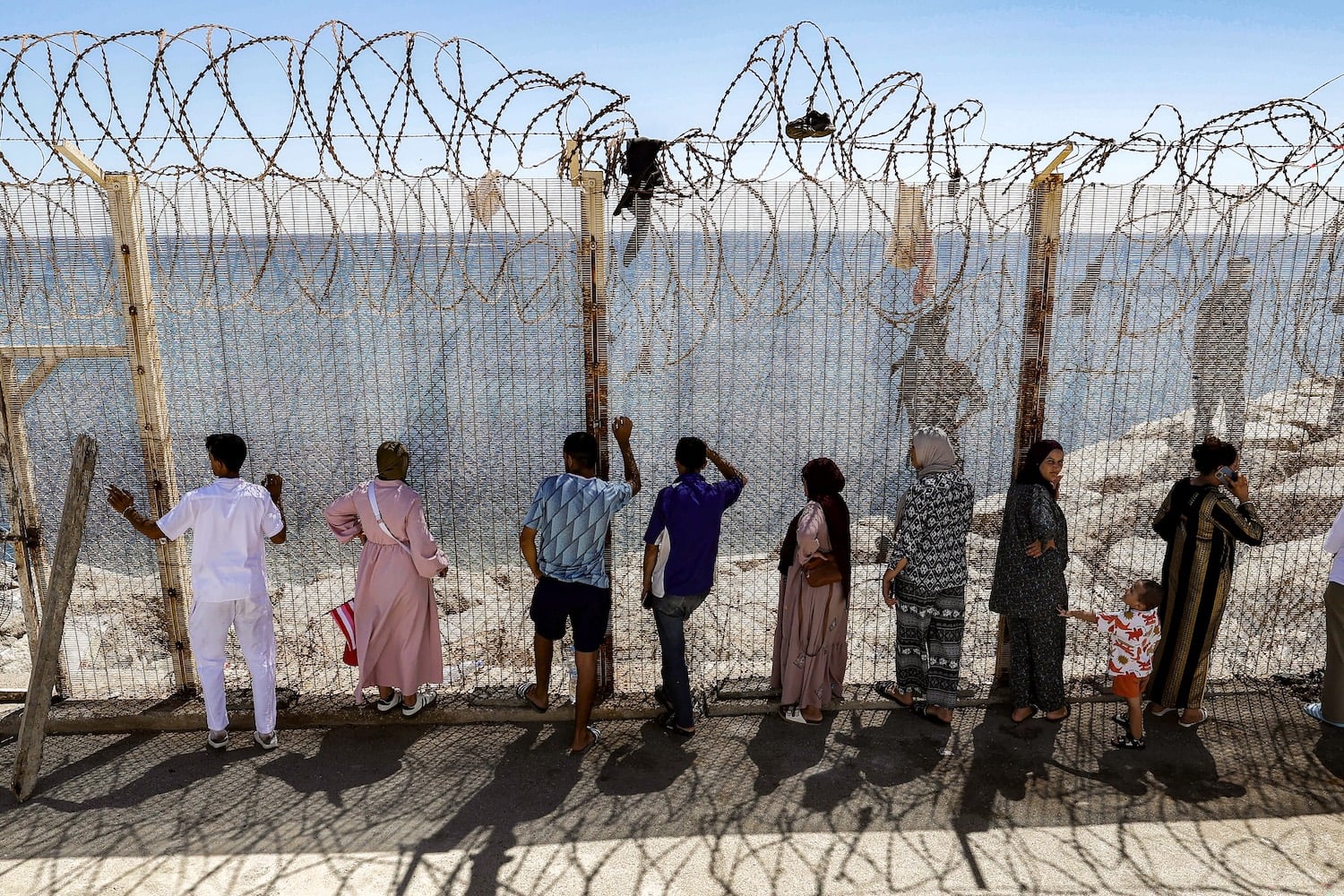
In a dramatic echo of the past, the Spanish exclave of Ceuta has once again made global headlines—but this time, the rush is in the opposite direction. Tens of thousands of migrants from Morocco and other African nations stormed the beaches, hoping to use Ceuta as a springboard into Europe. The images shocked the continent, yet they also underscore a deep historical irony that many news outlets overlook.
A Colonial Relic in the Modern Age
Ceuta's story begins in 1415, when Portuguese Prince Henry—later known as Henry the Navigator—led an invasion of this North African outpost. His goal wasn't conquest for its own sake, but access to the gold wealth flowing from sub-Saharan Africa through Mediterranean trade routes. This audacious gambit launched the Portuguese empire and the Age of Exploration, fundamentally reshaping the world.
Today, Ceuta remains a Spanish possession, a legal status that emerged from a convoluted succession crisis in 1580. When Portugal's King Henry died without an heir, Philip II of Spain claimed the Portuguese crown. After Portugal regained independence decades later, Ceuta was ceded to Spain—a historical fluke that has somehow endured for centuries.
"It is a mistake to buy into the notion that Portugal acquired its imperial possessions in Africa as 'in a fit of absence of mind'—as one historian famously described British colonial conquest." — Howard W. French, Author of Born in Blackness
The Migration Crisis Ignites
Last week, Ceuta became a flashpoint again when Moroccan authorities seemingly eased border controls, allowing thousands to surge toward the fences. Many migrants swam or waded through the Mediterranean, while others scaled the barriers. Within 48 hours, most were returned, but the incident triggered panic across Europe. Right-wing parties sensationalized the event, and Italy even began screening travelers arriving from Spain—fearing that migrants could slip through Ceuta as a backdoor into the Schengen Area.
This reaction exposes a deep-seated anxiety in Europe: the fear of being overwhelmed by migration from the global south. Yet as Howard W. French, author of Born in Blackness, argues, this framing misses the bigger picture. "Much of the coverage has presented it as a simple, if grave, immigration crisis," he notes, "taking the current situation on the map, and the deep historical backstory behind today's headlines, for granted."
Why Spain Should Return Ceuta
French, who has written extensively on European imperialism, suggests that Spain should seriously consider returning Ceuta to Morocco. His reasoning is pragmatic, not sentimental: Ceuta is a geopolitical liability. Policing the exclave incurs significant fiscal costs and creates intra-European tensions. Moreover, Spain already recognizes the need for immigration to offset its demographic decline—having recently granted amnesty to many undocumented migrants.
But there's a deeper, structural argument. Africa's population is growing faster than any other region, while Europe's is shrinking. In countries like Spain and Italy, women have roughly one child on average. This imbalance means migration pressure will only intensify, making current border enforcement strategies unsustainable.
"Africans and other migrants will continue to show up in Europe in ever larger numbers no matter what. Just how many, though, will depend on what Europe does today to renovate its economic ties to the continent just to the south."
Europe's Moment of Reckoning
The Ceuta crisis is not just about a small exclave; it's a mirror reflecting Europe's broader challenges. The continent's wealth was partly built on Africa's resources and labor during the colonial era—a history that still shapes migration patterns today. If Europe wants to manage migration humanely and effectively, it must invest in African prosperity — not just police its borders.
Spain, with its proximity to Africa and its forward-thinking immigration policies, is uniquely positioned to lead this conversation. By returning Ceuta, Spain could signal a break from colonial relics and embrace a realistic, future-oriented approach. Otherwise, as French warns, Europe risks clinging to the "delusion" that police action alone can stem the tide of human movement.
This article draws on insights from Howard W. French's work, Born in Blackness: Africa, Africans, and the Making of the Modern World.