Key Takeaways:
- Copenhagen Airport has fully implemented the EU's Entry/Exit System (EES).
- Non-EU travelers arriving from or leaving the Schengen Area must now provide fingerprints and a facial photo.
- The system aims to replace manual passport stamps and improve information sharing between EU states.
- Processing times may be longer initially for affected travelers.
Copenhagen Airport has completed its full roll-out of the European Union's new Entry/Exit System (EES), marking a significant shift in border management for Denmark. The system, which has been in development for over 12 years, went live early Friday morning.
It had already been fully implemented at other Danish airports. The EES introduces automated biometric checks for certain travelers, fundamentally changing the experience at the external borders of the Schengen Area.
What Is the EES and How Does It Work?
The EES is an automated IT system designed to register non-EU nationals traveling for short stays each time they cross an external Schengen border. Its primary goals are to:
- Replace the manual stamping of passports.
- Enhance security through better information-sharing between the 27 EU member states.
- More accurately monitor overstays.
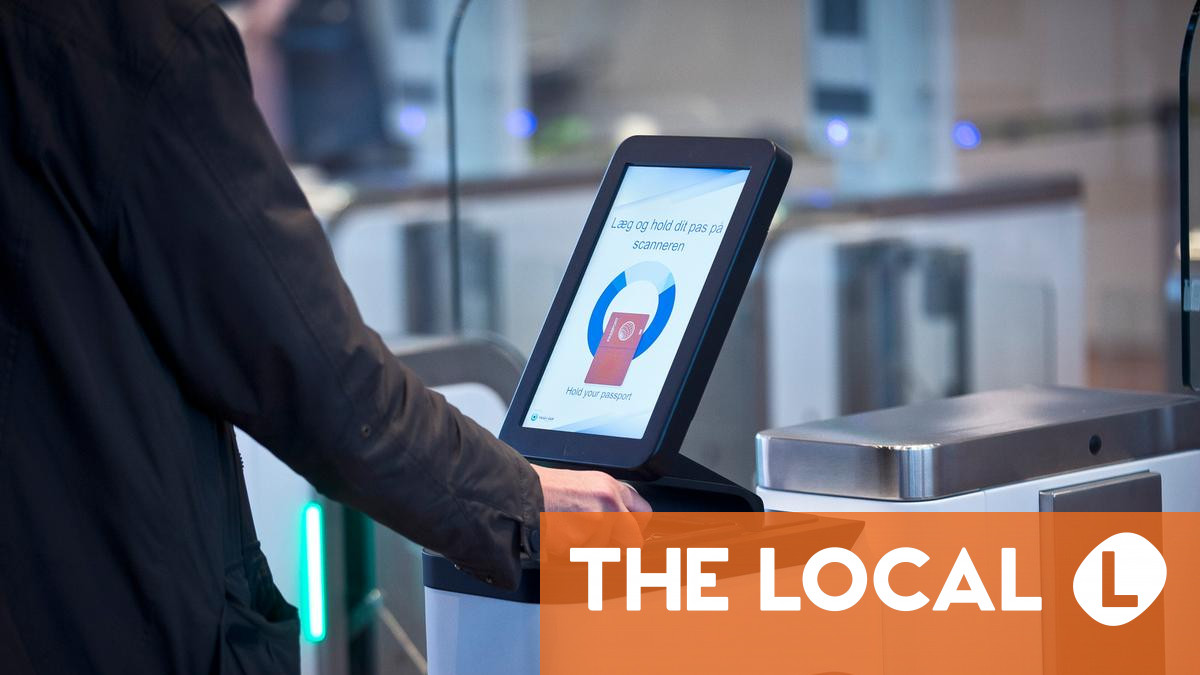
When a covered traveler crosses the border, authorities will use an automated kiosk to create or update an individual file containing:
- Passport number
- Four fingerprints
- A facial photograph
A file is created on the traveler's first entry or exit. On subsequent trips, border guards will compare the live biometrics to the stored data.
"The processing time at registration could take a bit longer for citizens from outside of Schengen, as they need to register their biometric data," said police inspector Claus Birkelyng.
He noted that police are generally satisfied with the implementation.
Who Is Affected by the New EES Rules?
The new requirement applies to third-country nationals—travelers from non-EU countries—who are:
- Visiting the Schengen Area for a short stay (up to 90 days within any 180-day period).
- Not residents of Denmark or another Schengen country.
The following groups are exempt from providing biometrics to the EES:
- Citizens of the EU and the four associated Schengen states (Iceland, Liechtenstein, Norway, Switzerland).
- Non-EU citizens who hold a valid residence permit or right of residence in a Schengen country (though they must show their residence card).
- Children under the age of 12 (they are exempt from fingerprinting but must still be registered).
Travelers with a long-stay Schengen visa (Type D) are also not required to use the EES.
Data Storage and Deletion
Biometric data collected by the EES is typically stored for three years and then deleted. If a traveler is later granted a residence permit in Denmark or another Schengen country, the relevant immigration authority (in Denmark, this is SIRI or the Danish Immigration Service) will delete the EES file.
Practical Advice for Travelers and Residents
For non-EU residents living in Denmark, a specific scenario requires attention.
If your Danish residence permit expires while you are in the country, and you wish to stay or travel in the Schengen Area for a short period afterward, immigration authorities recommend proactively having an EES file created.
- This is generally possible for nationals of visa-free third countries.
- You can contact Danish immigration authorities to arrange this.
The benefit is avoiding the biometric registration process—and potential delays—at the border when you eventually depart.
The full implementation at Copenhagen, Denmark's busiest international airport, signals the new border reality is now fully operational. Travelers should prepare for slightly longer processing times during the initial rollout phase as everyone adapts to the new automated procedures.