Key Takeaways:
- European airport and airline associations warn the new digital Entry/Exit System (EES) risks travel mayhem this summer.
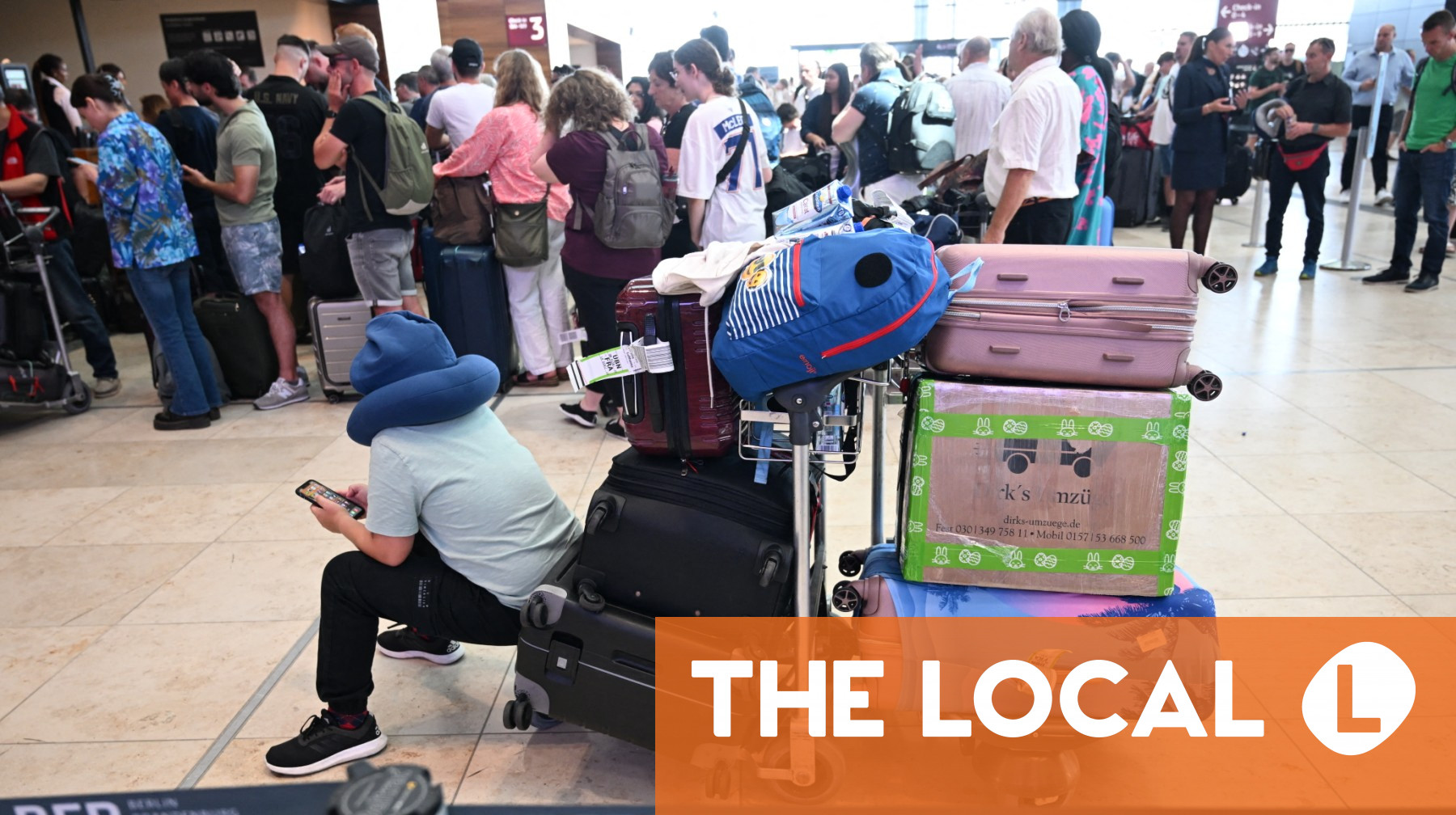
- Waiting times at border control have reached up to five hours during peak periods, causing flight delays and missed connections.
- Industry groups call for a permanent mechanism to suspend EES when needed, along with more staff and a pre-registration app.
European airport and airline associations have once again urged the European Commission to take immediate action, warning that the new digital Entry/Exit System (EES) risks travel mayhem and misery for millions this summer.
A Critical Point for Europe's Borders
In a letter sent this week to Commission President Ursula von der Leyen, organizations including Airports Council International (ACI) Europe, Airlines for Europe (A4E), and the International Air Transport Association (IATA) said the situation had "reached a critical point." They argue that since the full rollout of the EES in April, waiting times at border control have increased significantly, now reaching up to five hours during peak traffic periods.
"These delays are impacting millions of passengers entering the Schengen Area, including families travelling with young children, elderly passengers and persons with reduced mobility," the letter states.
Since October 12th, 2025, the 29 Schengen countries have operated the EES, a new IT system that gathers digital personal records of third-country visitors. It replaces manual passport stamping, requiring passengers to register fingerprints and facial images the first time they cross an external Schengen border. This data is stored in a Europe-wide database to track entries and exits, preventing overstays beyond the 90/180-day rule.
Impact on Travelers and Airlines
The delays are not just an inconvenience for tourists—they are causing real operational chaos. According to the industry letter:
- Flights are delayed
- Passengers miss connections
- Planes depart half-empty because travelers are stuck in queues
- Frontline staff face immense pressure
These disruptions are occurring at both major hubs and smaller airports, putting border authorities and airlines under "unsustainable pressure." The situation is so severe that Italy's airports, particularly in Rome, have suggested the checks might need to be postponed over the summer peak season.
Summer Travel Season Threatens Chaos
Schengen countries can currently temporarily suspend the collection of biometric data until early September. However, as the industry groups note, such measures have "not prevented excessive queues." With 40 million more passengers expected in July and August compared to the past two months, existing challenges will inevitably intensify.
The letter warns that "the reputation of the European Union and the confidence in the regulatory framework are also at stake." It emphasizes that Europe must remain a destination that is "not only secure but also efficient, welcoming and competitive."
What the Industry Is Asking For
To prevent a summer of travel chaos, the associations are calling for an immediate intervention before the situation deteriorates further. Their key demands include:
- A permanent operational flexibility mechanism allowing border control authorities to suspend the EES until structural challenges are fully addressed
- Adequate staffing levels at airport border crossing points
- Stability of the IT systems supporting data sharing across the EU
- EU-wide deployment of an app for passengers to pre-register, reducing pressure at the border
These measures, they argue, would help protect Europe's tourism economy and maintain the freedom of movement that defines the Schengen area.
The Bigger Picture: Balancing Security and Efficiency
The EES is designed to enhance security by systematically tracking the entry and exit of third-country nationals. However, its implementation has revealed a fundamental tension: security measures that create long queues can ultimately undermine the very openness they are meant to protect.
As Europe heads into its busiest travel season, the question remains whether the Commission will act on the industry's warnings—or risk seeing travelers turn away from Schengen destinations altogether.
For now, the message from airports and airlines is clear: without urgent action, this summer could be one of the most frustrating travel seasons Europe has ever seen.