Key Takeaways:
- European airport and airline associations warn the new EES system could cause peak-time delays of up to five hours this summer.
- Industry groups call for temporary suspension of EES at busy times, citing operational disruption and half-empty flights.
- The existing flexibility measures have failed to prevent queues, with some 40 million extra passengers expected in July and August.
EES Delays Hit Critical Point as Summer Approaches
European airport and airline associations, including ACI Europe, Airlines for Europe (A4E), and IATA, have issued an urgent open letter to European Commission President Ursula von der Leyen. They demand immediate action to prevent what they describe as "travel mayhem" this summer.
Since October 2025, the Entry/Exit System (EES) has been operational across 29 Schengen countries. The system replaces manual passport stamps with digital biometric records, requiring third-country visitors to register fingerprints and facial images at first entry. While designed to bolster border security and track overstays, its rollout has been fraught with problems.
“The reputation of the European Union and the confidence in the regulatory framework are at stake,” the letter states.
Months of Bottlenecks Point to Systemic Failures
From the very start, the EES caused significant delays at key border crossings, a problem that escalated during the Easter holidays. Italy's airports, particularly in Rome, have been among the worst affected, with reports of staggered check implementations.
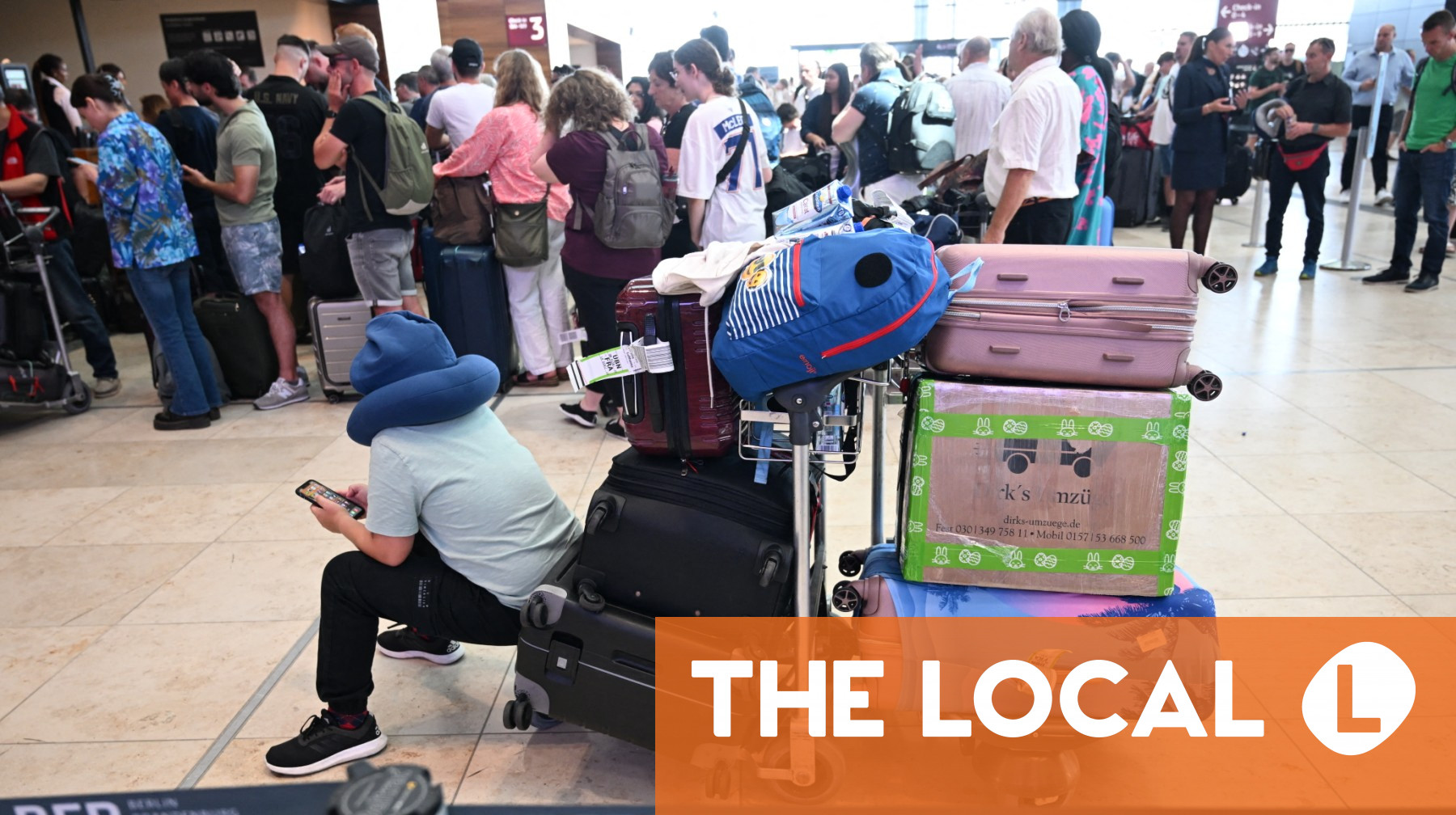
Data from the latest industry appeal indicates that waiting times have surged to up to five hours during peak periods since April. These delays are not just inconvenient—they ripple through the entire travel ecosystem.
The consequences include:
- Flight delays and missed connections for passengers.
- Half-empty planes at gate closing time, as travelers fail to reach departures.
- Increasing pressure on frontline staff at airports.
Industry Says Current Flexibility Measures Are Insufficient
Under current rules, Schengen countries can temporarily suspend biometric data collection until early September. However, the industry argues this flexibility has “not prevented excessive queues.”
With summer passenger numbers expected to surge by an additional 40 million in July and August compared to the previous two months, the associations warn the situation will inevitably worsen.
Their key demands are:
- A permanent operational flexibility mechanism to suspend EES when needed.
- Adequate staffing levels at border crossing points.
- Stability of the IT systems supporting data sharing across the EU.
- EU-wide deployment of a pre-registration app to reduce pressure at the border.
The Stakes for Europe's Reputation
The letter emphasizes that beyond immediate operational concerns, Europe's image as a welcoming and competitive destination is on the line. Travelers—especially families, the elderly, and those with reduced mobility—are facing unacceptable waits.
“Europe must remain a destination that is not only secure but also efficient, welcoming, and competitive,” the groups argue. They call for a return to traditional passport stamping during peak periods until structural issues are fully resolved.
What Comes Next?
The European Commission now faces a critical decision: either implement emergency measures to prevent a summer meltdown or risk turning Europe’s airports into chaotic bottlenecks that harm tourism and connectivity. The industry's plea is clear, but time is running out.