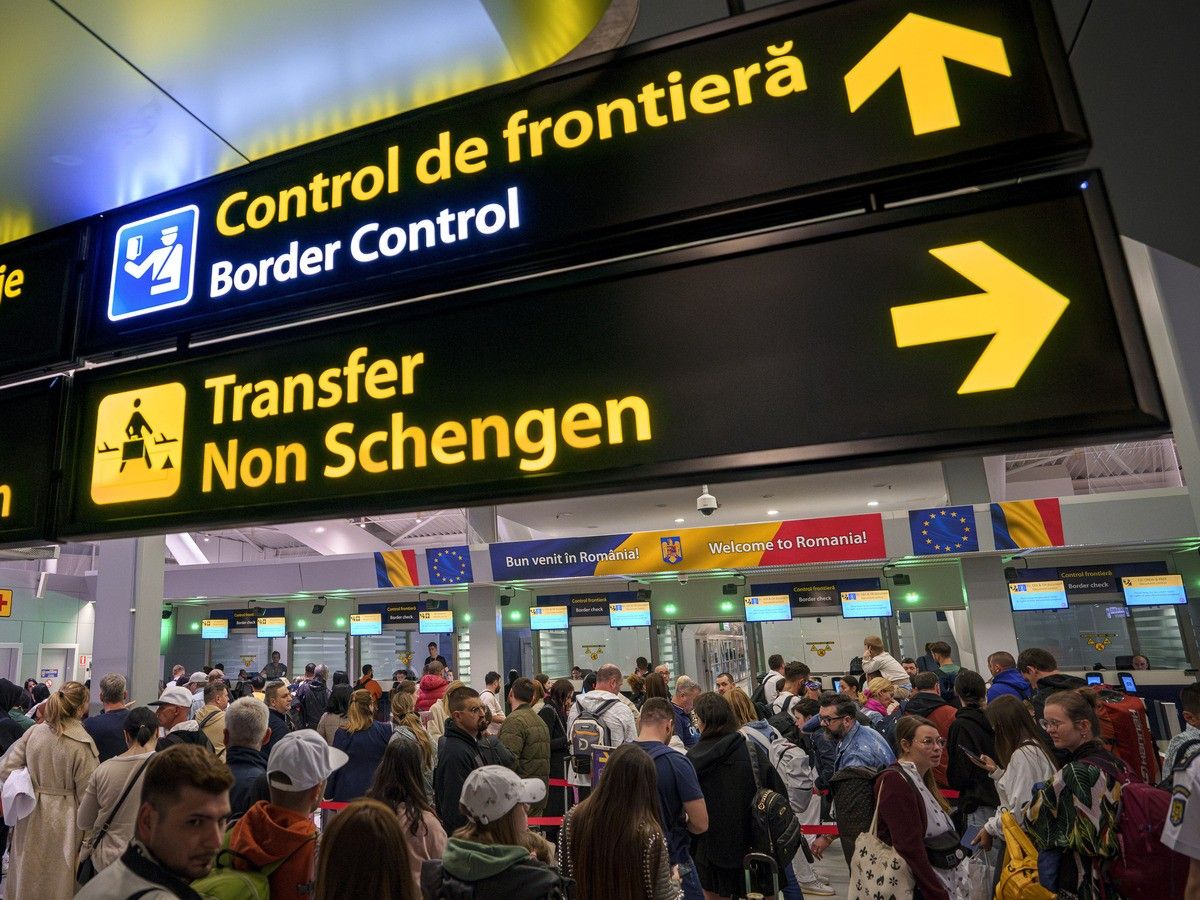
Key Takeaways: The EU's Entry/Exit System (EES) is now fully operational across 29 countries. It mandates biometric checks (fingerprints, facial scan) for non-EU visitors, replacing manual passport stamps. While designed to enhance security and track overstays, initial reports show border processing times have increased by up to 70%, with peak waits reaching three hours.
The European Union's long-anticipated digital border regime, the Entry/Exit System (EES), is now in full force. After a phased rollout that began in October 2025, the system became fully operational across 29 countries on April 10, marking a definitive end to the era of manual passport stamping for millions of travelers.
This automated system applies to all non-EU nationals—including Canadians, Americans, and Australians—traveling for short stays of up to 90 days within any 180-day period in the Schengen Area.
What Is the EES and Who Does It Affect?
The EES is a cornerstone of the EU's "Smart Borders" initiative. Its primary goal is to digitally register the border crossings of visa-exempt third-country nationals, replacing the ink stamps that have been a travel staple for decades.
- Who must use it? All non-EU citizens traveling for short stays to the Schengen Zone. This does not apply to EU citizens or non-EU nationals with a residence permit or long-stay visa.
- Which countries? The system is active in the 27 EU member states (except Ireland and Cyprus) plus Iceland, Liechtenstein, Norway, and Switzerland. It does not apply to travel to the United Kingdom, which operates its own Electronic Travel Authorization (ETA) system.
At the border, travelers will encounter self-service kiosks or dedicated lanes where they must submit four fingerprints and a facial image. This biometric data is stored securely for three years. On subsequent trips within that period, travelers will simply verify their identity against this stored data, speeding up the process.
Important Note: The system is free to use and requires no pre-registration. Children under 12 are exempt from fingerprinting but must still undergo a facial scan.
The Promise: Security and Efficiency
European authorities champion the EES as a major upgrade for border management and internal security. The key benefits touted include:
- Automated Overstay Tracking: The system automatically calculates the duration of a stay, making it far easier to identify individuals who exceed their 90-day limit.
- Enhanced Security: It helps detect individuals using fraudulent documents or who pose a security risk by cross-referencing data against other EU databases.
- Faster Processing (Long-Term): In theory, by automating checks, the process should eventually be quicker than manual stamping and questioning.
Since the phased rollout began, the European Commission reports the system has already identified thousands of individuals with expired or fraudulent documents and flagged nearly 700 as potential security threats.
The Reality: Initial Disruption and Long Waits
Despite its promises, the EES's launch has been accompanied by significant growing pains, causing frustration for travelers and border agencies alike.
The most immediate impact has been on border processing times. According to the Airports Council International (ACI), which represents over 600 airports, processing times increased by up to 70% at pilot sites during the phased rollout.
- During peak travel periods, wait times have ballooned to three hours or more at some major airports.
- Previously, border authorities could suspend EES checks during extreme congestion. However, with the system now mandatory, this flexibility is gone.
Travelers are advised to factor in these extended delays when planning their journeys, especially during holidays and summer peaks, as the system continues to "bed in."
What Travelers Need to Know
For non-EU citizens planning a trip to Europe, preparation is key. Here’s what to expect:
- Arrive Early: Allocate extra time for airport check-in and border control. The old rule of arriving 2 hours before a Schengen flight may no longer be sufficient.
- The First Entry is Crucial: Your first encounter with the EES will take the longest, as your biometrics are captured and registered.
- Subsequent Trips Are Faster: Once registered, you'll simply verify your fingerprints and face on later trips, which should be quicker.
- Have Your Documents Ready: While the kiosk handles biometrics, a border officer may still ask for supporting documents like proof of accommodation, a return ticket, or sufficient funds.
The full implementation of the EES represents the most significant change to Schengen border procedures in a generation. While aimed at creating a more secure and efficient frontier, travelers must now navigate its initial complexities and delays as the new normal at Europe's gates.