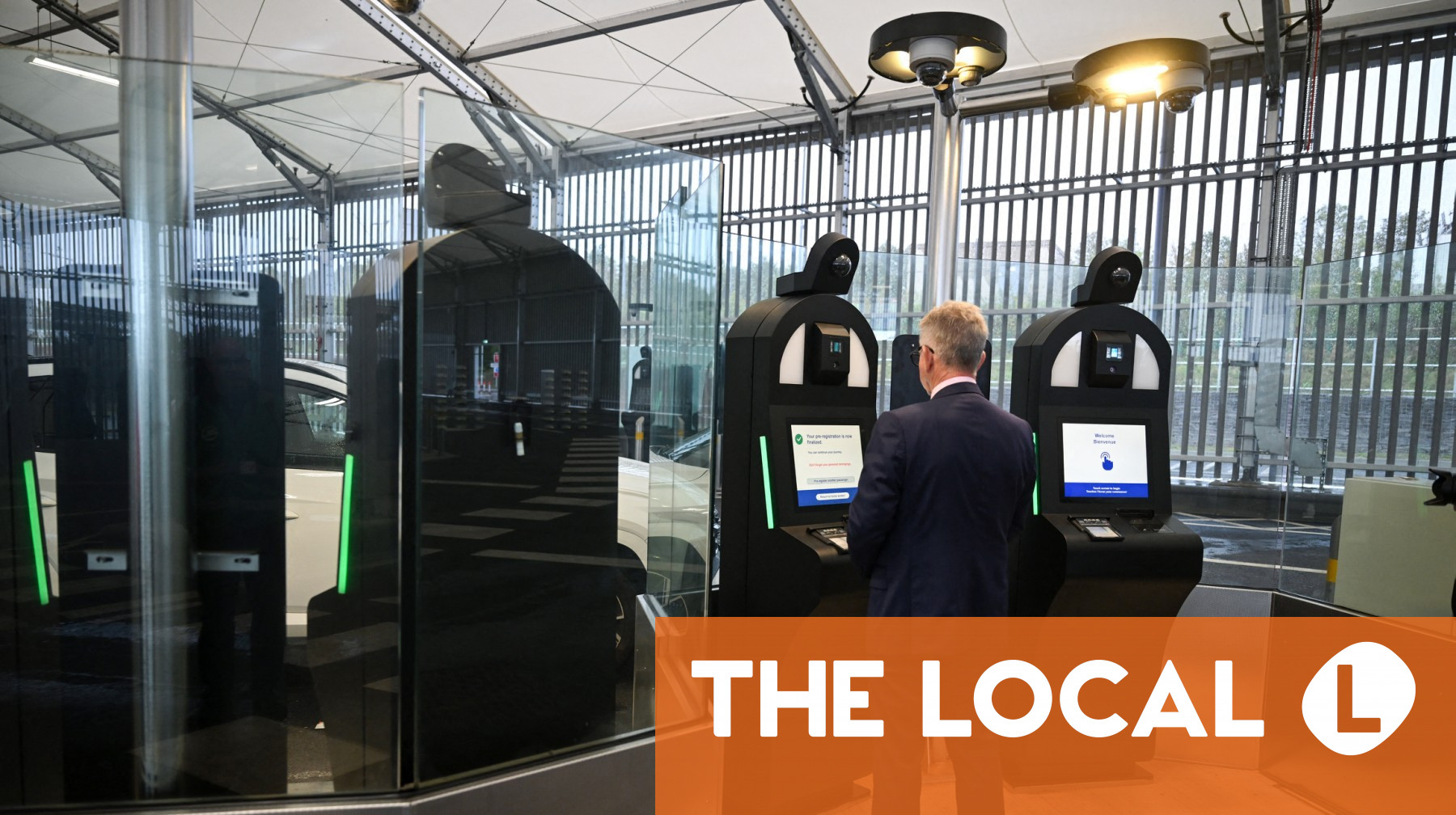
Key Takeaways: The EU's Entry/Exit System (EES) will be fully operational at all Schengen airports and ports on April 10th, 2026, coinciding with the Easter travel period. UK travelers are advised to allow extra time for biometric checks. While designed to be quick, initial registrations and high passenger volumes could lead to longer waits at border control.
A New Era for Schengen Borders
The manual stamping of passports for non-EU visitors is officially coming to an end. Starting April 10th, 2026, the European Union's Entry/Exit System (EES) will be fully active across the entire Schengen Area.
This digital system replaces ink stamps with electronic records, tracking the entries and exits of travelers from third countries, including the United Kingdom.
The UK government has issued a specific alert to British tourists planning trips around the Easter holiday, urging them to factor in additional time for their journeys both to the EU and on their return.
How the EES Works for Travelers
The process is straightforward but represents a significant shift. Upon a traveler's first entry into the Schengen zone under the new system, border officers will collect:
- Facial scans
- Fingerprints
This biometric data is then registered in the EES database. The good news? Once registered, you won't need to repeat the process for three years, or until your passport expires (whichever comes first). Subsequent entries should be faster, with a simple biometric verification.
The system's primary goal is to strengthen border security and automatically identify visitors who overstay the permitted 90 days in any 180-day period. EU officials report the system has already been effective, catching thousands of overstayers in its initial months.
"The EU’s Entry Exit System will be a significant change for Brits travelling this Easter," said Alex Norris, UK Minister for Border Security and Asylum.
Planning for Potential Delays
While the UK government states checks "should take only a few minutes per person," it explicitly warns that "longer waits at border control are possible." This caution applies not just when entering the EU, but also for journeys back to the UK, particularly at juxtaposed controls.
These are key locations where French border officers check passports before travelers board UK-bound trains or ferries on French soil, and vice-versa.
Critical advice for all travelers includes:
- Closely follow your travel operator's guidance.
- Allow extra time to complete border checks, especially if you have connecting flights or onward transport booked.
- Always check with your carrier to see if extra time is needed.
Efforts to Smooth the Transition
Acknowledging concerns about potential travel chaos, the European Commission has provided some flexibility. It has clarified that member states can partially suspend the EES during peak periods, like the summer months, to avoid excessive queues.
Furthermore, a pre-registration app is in development to allow travelers to submit some data in advance. However, its rollout has been slow; it is currently only available for testing in Sweden and Portugal.
Who is Exempt from EES Checks?
Not everyone needs to go through the new biometric process. Important exemptions include:
- Individuals who are legal residents of an EU or Schengen country.
- Dual citizens traveling on their EU passport.
For the millions of British tourists and other non-EU visitors, however, Easter 2026 will mark the definitive start of a new, digital border era in Europe. Planning and patience will be essential companions for any spring getaway.