Key Takeaways:
- Rome airports warn EES must be temporarily suspended during peak summer months to prevent massive delays.
- The biometric system, fully operational since April 10, 2026, has caused hour-long queues across Schengen.
- EU officials face criticism as similar systems work smoothly in Australia, Singapore, and Canada.
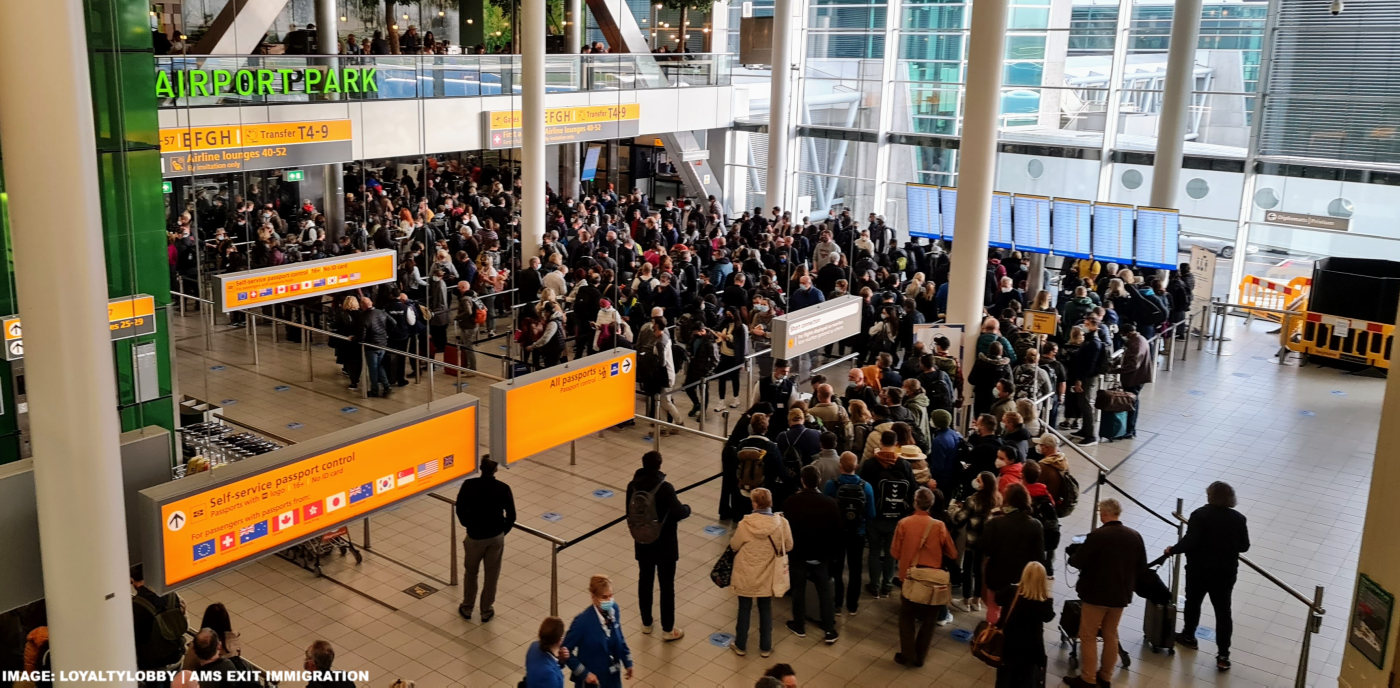
The EU’s Entry/Exit System (EES) was finally launched late last year, with full implementation across all Schengen borders scheduled for April 10, 2026. But instead of streamlining travel, the system is creating chaos.
Anecdotal evidence from multiple airports within the Schengen Zone suggests the EES is not working as intended. Travelers report hours-long lines to enter and exit the bloc, despite years of preparation and delays.
Now, the head of Rome’s airports has gone public with a stark warning: the system may need to be taken offline during the busiest travel months to avoid a complete meltdown.
Rome’s Warning: A ‘Disaster’ at Peak Season
Marco Troncone, CEO of the company managing Rome’s airports, told the Financial Times that the EES is incompatible with summer tourist volumes. He said the only way to prevent a “disaster” is to allow passengers to skip the biometric checks during peak weeks.
“The process proves to be incompatible with the peak volumes that we are going to face. So the only way is to open up the valve. There is no way that we can deliver 100 per cent of the enrolment.”
This echoes earlier reports of selective exemptions for certain third-country nationals, who have been allowed to bypass the system entirely.
Why Is the EES Failing?
The system records biometrics (fingerprints and facial images) on first use, which should then be stored for several years to speed up subsequent entries. In theory, this should reduce wait times over time.
In practice, however, several factors are causing bottlenecks:
- Insufficient machines at entry and exit points, leading to long queues for data collection.
- Software glitches that slow down the enrolment process.
- Staff shortages to manage the system and assist passengers.
The result? Travelers are facing unpredictable delays, and airport operators are scrambling for solutions.
Global Comparisons: Why Can’t the EU Get It Right?
The irony is that similar biometric border systems have been used successfully for years in other parts of the world. Australia, Singapore, Canada, and even Mexico have implemented such systems with far fewer hiccups.
Even the United Kingdom, which recently introduced its own electronic travel authorization system, has received praise for its smooth operation. As one traveler noted, “The UK entry gates worked very well this morning when I entered the country at LHR.”
So why is the EU struggling? Critics point to:
- Excessive bureaucracy and lack of coordination among member states.
- Underinvestment in infrastructure and technology at airports.
- A rushed implementation despite years of delays.
What Happens Next?
For now, Rome’s airports are likely to set a precedent by temporarily suspending EES enrolment during peak hours. Other Schengen airports may follow suit, creating a patchwork system that could undermine the uniformity of the EES.
The EU Commission has not yet issued a public response, but pressure is mounting. Travelers planning summer trips to the Schengen Zone should prepare for potential delays and check official updates at their departure and arrival airports.
Conclusion: The EES was supposed to modernize European border control. Instead, it risks becoming a symbol of bureaucratic failure. Without urgent action, summer 2026 could be remembered as the season of travel chaos.