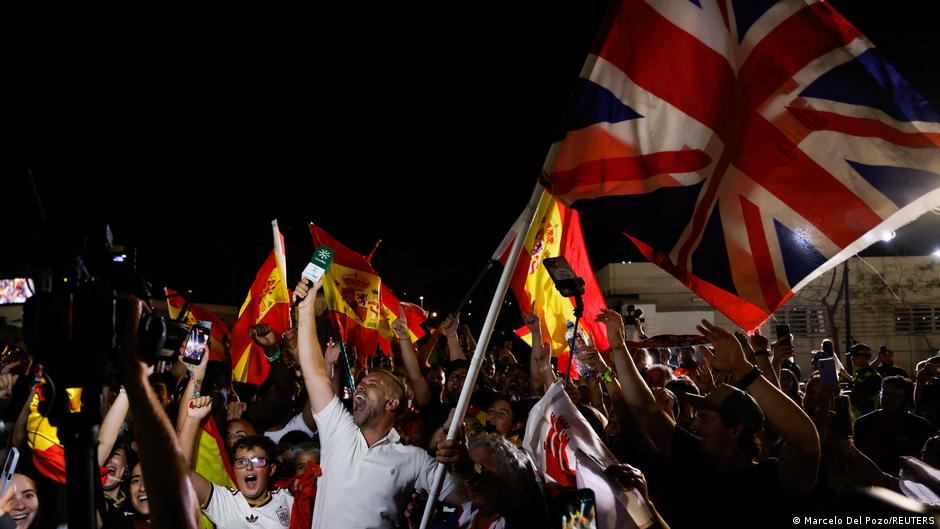
Spain and the British territory of Gibraltar have dismantled a long-standing border fence, marking a transformative step in their relationship. The full removal of physical controls began Wednesday, ending years of tension and frustration for daily commuters.
The dramatic shift follows a historic treaty signed Tuesday by Britain, the European Union, Spain, and Gibraltar. The agreement effectively brings Gibraltar into the Schengen free travel area, a major post-Brexit milestone for the tiny territory known as "The Rock."
'Europe is back'
With a population of roughly 40,000, Gibraltar depends on some 15,500 cross-border workers from Spain who commute daily. Long queues were once common, especially during political disputes between London and Madrid. Now, border checks are gone.
Residents can now cross using residence cards without passport stamps. Spanish citizens can enter with a government identity card. Just after midnight on Wednesday, crowds moved freely between Spain's La Linea de Concepcion and Gibraltar in both directions.
"Europe is back," declared Gibraltar's Chief Minister Fabian Picardo as hundreds gathered, waving Spanish flags. Many wore Spanish soccer jerseys after Spain's World Cup semifinal victory against France, adding to the festive mood.
Picardo told Spanish broadcaster RTVE, "What you feel here is the brotherhood between the two people."
What the historic deal means
The treaty was signed in Brussels by Picardo, European Trade Commissioner Maros Sefcovic, British Minister Stephen Doughty, and Spanish Foreign Minister Jose Manuel Albares.
Key elements include:
- Gibraltar joins the Schengen Area, allowing passport-free movement for most travelers.
- At Gibraltar airport, arriving passengers will show passports to both Gibraltar and Spanish border officers.
- Spanish and EU authorities gain a role in managing the territory's external border.
Albares called the accord "a new era" that will create "enormous opportunities." Spanish Prime Minister Pedro Sanchez is set to visit the border zone later Wednesday.
A rocky history
Gibraltar's contested status dates back to 1713, when it was ceded to Britain under the Treaty of Utrecht. Spain has long claimed sovereignty, but the territory's population strongly favors British rule. The border fence became a flashpoint after Brexit, when Gibraltar was left outside EU agreements.
This deal represents a pragmatic solution: Gibraltar retains British sovereignty while aligning with EU border policies. Daily life for thousands of workers has now improved dramatically.
What travelers should know
For visitors and commuters, the changes are immediate:
- No passport checks at the land border between Spain and Gibraltar.
- Spanish ID cards acceptable for Spanish citizens.
- Airport arrivals still undergo dual checks by Gibraltar and Spanish officers.
The Schengen integration does not extend to full EU membership for Gibraltar, but it ensures seamless travel for most purposes. Tourism and business are expected to benefit quickly.
Bottom line: A new chapter
This is more than a border removal—it is a symbol of post-Brexit cooperation. By joining Schengen, Gibraltar secures free movement while preserving its unique status. The era of long waits and tense standoffs at "The Rock" is over.