Key Takeaways:
- UK Transport Secretary Heidi Alexander pressed EU officials to extend 'flexibility windows' for the Entry-Exit System (EES) beyond September.
- The EES requires biometric data from non-EU citizens, including Britons, causing delays at ports and airports.
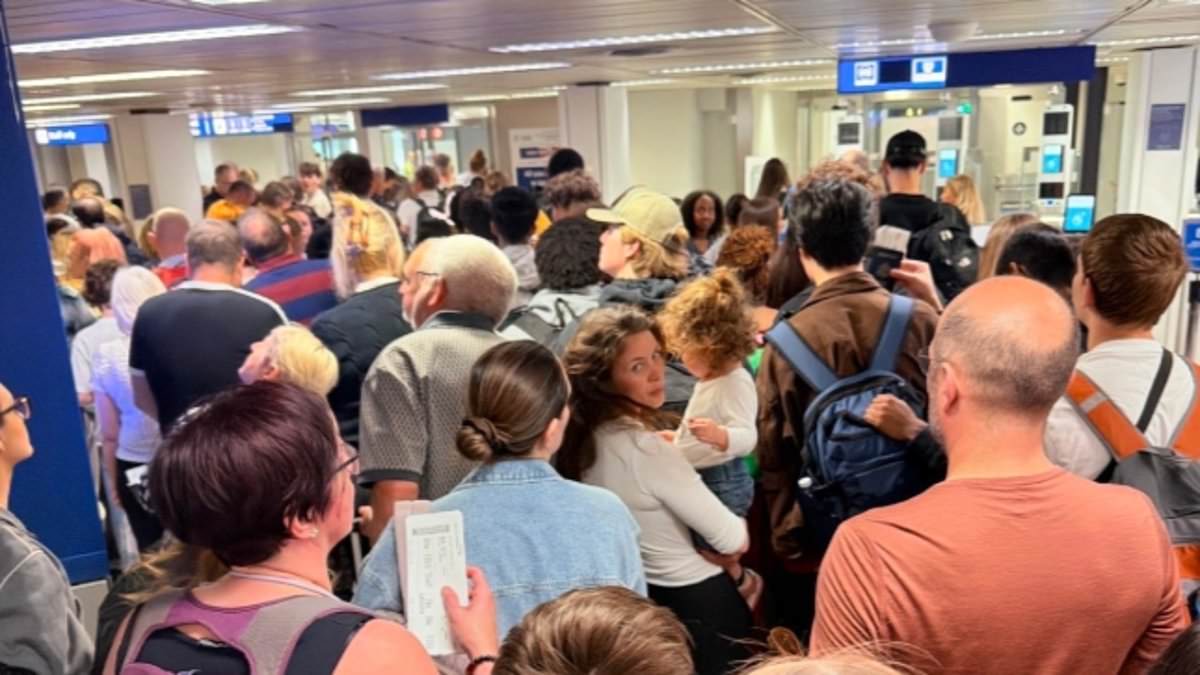
- Identical twin mix-ups and infrastructure shortages threaten five-hour queues during peak summer travel.
- The new ETIAS visa waiver for UK travelers appears delayed until at least 2026.
Urgent Call for Pragmatism
Fears of a summer travel meltdown are escalating as UK ministers privately push Brussels to soften strict post-Brexit border rules. Transport Secretary Heidi Alexander told EU Commissioner for Transport Apostolos Tzitzikostas that the system needs more pragmatism and flexibility to avoid gridlock.
The Entry-Exit System (EES), which came into full effect in April 2026, requires non-EU citizens—including millions of British tourists—to provide fingerprints and a photo on entry and exit. First-time registrations can take significantly longer, and bottlenecks are already forming.
"We are doing everything in our power to keep holidaymakers and hauliers moving," Alexander told the Mail.
What the UK is Asking For
The UK is not seeking an exemption for Britons—a request Brussels has repeatedly rejected. Instead, ministers want existing emergency measures extended:
- Longer suspension windows: EU countries can currently suspend EES for short periods (up to six hours) when queues build, but only until September. Alexander wants this extended.
- Proactive rather than reactive: Border forces must re-apply each time a bottleneck emerges. The UK wants automatic or pre-approved suspensions during peak times.
- More investment: The UK is spending over £20 million to expand passport booth capacity at Dover and improve vehicle flow.
The Reality on the Ground
This weekend marks the start of school summer holidays. The Port of Dover is bracing for its busiest period of the year. Emergency sites like Lydden Hill motor racing track, five miles from the port, have been secured to hold cars if queues spill onto roads.
Airports across Europe are also struggling.
- Ryanair has warned of lengthy passport queues at 16 popular hubs, including Lisbon, Tenerife, Milan, Alicante, Malaga, and Lanzarote.
- In April, around 100 passengers flying EasyJet from Milan Linate to Manchester were stuck in three-hour lines and missed their flight.
- Some airports lack sufficient infrastructure and staff to handle the new biometric checks.
Technical Glitches: Twins and Missing Records
The system has already sparked bizarre incidents. According to Politico, a British woman was questioned by Romanian border police after the EES wrongly matched her face to her identical twin sister's travel document. The system failed to record her sister's departure from Amsterdam, leading authorities to suspect the wrong twin of overstaying.
EU Commission President Ursula von der Leyen admitted this month that there are unresolved technical problems with EES, saying it needs "quite a lot of work."
ETIAS Delayed Yet Again
Meanwhile, the long-awaited European Travel Information and Authorisation System (ETIAS)—a visa waiver costing £17 for Britons—appears to have been postponed. Originally slated for late 2026, its official website now states it is "currently not in operation." Industry insiders expect a launch no earlier than 2027.
What Travelers Should Expect
- Check airport and port status before departing, especially at peak times.
- Arrive early—allow at least an extra hour for EES registration.
- Have documents ready—passports, and ensure any previous biometric data is up to date.
- For identical twins: Be prepared for potential extra checks.
An EU Commission spokesman said: "All efforts are being made to limit the impact on travellers from outside the EU."