Key Takeaways
- The EU has officially praised Spain's 'swift response' to the migrant crisis in Ceuta, following an urgent meeting of interior ministers.
- Around 72,000 migrants crossed into the Spanish enclave on 30-31 July; an estimated 70,000 have already been returned to Morocco.
- Tensions flared as Italy briefly suspended Schengen checks with Spain, and the Czech PM called for a temporary suspension of Spain's membership.
A Crisis on Europe's Southern Border
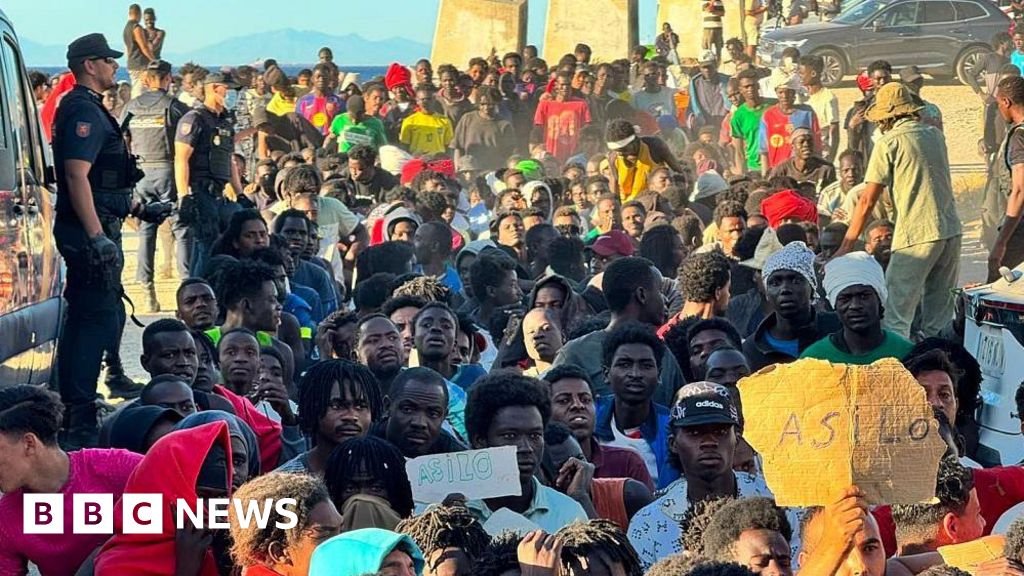
What began as a sudden, overwhelming surge at the border fence between Morocco and the Spanish enclave of Ceuta has turned into a defining moment for European border policy. In just 48 hours, an estimated 72,000 people entered Spanish territory – a figure that dwarfs previous migration waves.
Spain's Interior Minister Fernando Grande-Marlaska confirmed that the vast majority have already been returned to Morocco, but at least 75 people died on the Spanish side, with another 11 reported dead in Morocco. The scale of the human tragedy has prompted both solidarity and criticism from EU member states.
Italy's Schengen Suspension and Its Limits
The crisis quickly spilled into diplomatic friction. Italy's right-wing Prime Minister Giorgia Meloni described the influx as a security threat, and Rome suspended its Schengen agreement with Spain on Friday. However, since the two countries share no land border, the practical effect is limited to extra passport checks on flights.
Finland and Denmark expressed support for Italy's move, while Czech Prime Minister Andrej Babiš went further, urging a temporary suspension of Spain's Schengen membership. In response, Spanish PM Pedro Sánchez hit back, accusing some governments of acting out of "prejudice, fake news, ignorance, or political interest."
EU Ministers Rally Behind Madrid
At Tuesday's emergency meeting in Brussels, the tone shifted. Irish Justice Minister Jim O'Callaghan, chairing the session, declared that the EU stood "in solidarity with Spain" and that migration demands "a united European response."
Denmark's immigration minister, Morten Bødskov, said he was "very satisfied" with Spain's quick response but stressed the need for strict control over the EU's external borders. EU Commissioner Magnus Brunner went further, framing the incident as a successful "test" of European resilience.
"We have passed this test," Brunner told reporters, adding that Brussels had offered Madrid emergency financial support for border reinforcement.
A Border That Was Never Part of Schengen
One crucial detail often overlooked: Ceuta is not part of the Schengen area. The enclave sits on the African continent, and its border with Morocco is an external EU frontier. Sánchez used exactly this argument to rebut critics, reminding them that the rules governing Ceuta are inherently different from those at internal Schengen borders.
Still, the crisis has underscored how fragile Europe's migration consensus can be – and how quickly border security can become a political football.
Migrants' Voices: Desperation and Hope
Behind the politics are human stories. Ayoub, a 23-year-old from Casablanca, told the BBC he swam across after seeing social media posts about the opening. "It was the most traumatic experience I've ever had in my life," he said, yet he remains resolute: "I haven't risked my life for nothing. I want to be free, I want to pursue my studies."
Ahmed, a 29-year-old Sudanese migrant, said reaching Ceuta had been his "dream" for years – he has family waiting for him. But others voiced anger. Djibril from Senegal accused the Spanish government of neglecting those still stranded: "For five days you've left people on your territory. They're not eating, they're not showering, they're ill."
The Legal Trigger and Morocco's Warning
The immediate catalyst was a ruling by Spain's Supreme Court, which banned the summary return of migrants rescued at sea. Morocco claims it warned Madrid that the ruling would create "a problem," a claim Spain firmly denies.
Meanwhile, unaccompanied minors remain a pressing concern. Local media report some 800 children are being held in facilities across Ceuta. Spain has allocated €25 million to support them, but humanitarian groups warn that conditions are still inadequate.
What's Next for Schengen?
As the dust settles, the broader question lingers: Can the EU maintain both its open internal borders and its credibility at the external frontier? The Ceuta crisis is a stark reminder that these two goals are deeply intertwined.
Spain's interior minister said he hopes Italy will lift added controls "as soon as possible." But with national elections looming and migration dominating political discourse across Europe, such disputes are unlikely to disappear quietly.
For now, the EU's message is one of unity – but the cracks beneath the surface are visible for all to see.