Key Takeaways
- Widespread EES rollout problems cause massive delays at EU airports like Milan and Schiphol.
- Travelers are advised to arrive at least three hours before Schengen flights.
- Faulty machines and slow biometric data collection are the main culprits.
- Missed flights are not eligible for airline compensation; check travel insurance.
- Summer travel may still be affected; consider non-Schengen destinations.
EU Border System Plunges Airports into Chaos
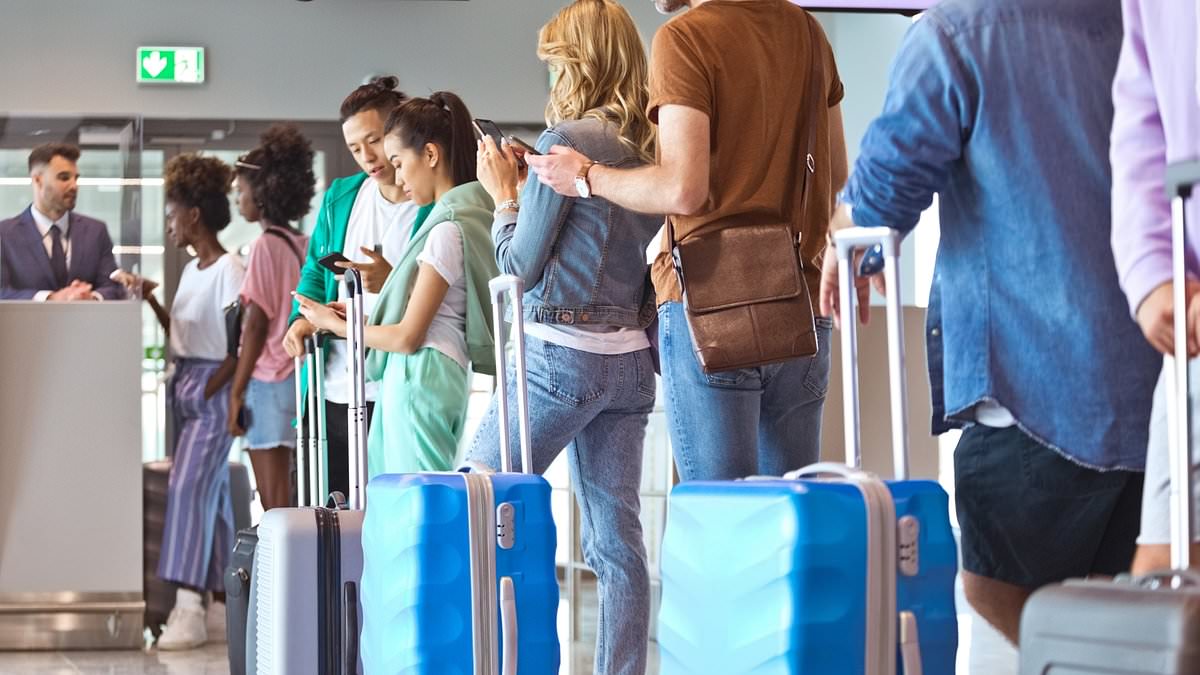
Travelers across Europe are facing unprecedented delays as the European Union’s new Entry/Exit System (EES) triggers chaos at border controls. From snaking queues at Milan to frustrated passengers at Amsterdam’s Schiphol, the full implementation of the biometric screening system has turned air travel into a nightmare.
The system, which went live on April 10, requires non-EU travelers to provide fingerprints and facial scans upon entry and exit. What was meant to modernize border controls and prevent overstays has instead caused hours of waiting, with some passengers missing their flights entirely.
“Sadly, it seems the EU has pushed on with the EES without preparing adequately,” warns the Daily Mail’s Holiday Guru columnist. “Significantly more machines, with more border officials, have simply not been arranged at many airports.”
Why the Delays Are So Severe
Even small increases in processing time per passenger have a massive ripple effect. If just 20 extra seconds are added per person on a Ryanair Boeing 737-800 (189 seats), that’s 63 minutes per plane. With multiple flights arriving simultaneously during peak hours, the cascade effect is devastating.
“As few as four such planes arriving at an airport at the same time could mean a delay of four hours and 12 minutes,” explains one aviation expert. “Some consider this an underestimate.”
Faulty technology and insufficient kiosks have compounded the issue. Countries like Estonia are more advanced, but others lagged behind, leading to uneven implementation. The result is a patchwork of chaos that leaves travelers guessing how long they’ll be stuck.
What Travelers Need to Know Now
- Arrive at least three hours early for all flights to and from Schengen Area countries. That’s an hour more than the usual recommendation.
- Missed flights are your responsibility. Airlines view no-shows as a traveler’s fault, so compensation is unlikely. But some travel insurance policies may cover delays.
- Rental car bookings may be at risk. Adjust pick-up times to avoid losing reservations if you’re delayed.
- Expect delays at ports and Eurostar too. Dover and the Eurotunnel entry at Folkestone are also struggling, with manual processing still in use due to French-side technical issues.
Alternatives to Schengen Travel
For those booking summer holidays, non-Schengen destinations offer a way to avoid the chaos. Popular options include:
- Morocco, Tunisia, Turkey, or Albania
- Cyprus and Ireland, both EU members but outside the Schengen Area
These countries bypass the EES entirely, meaning quicker border processing and less stress.
The Long-Term Promise—and Short-Term Pain
In theory, EES aims to digitalize entry to the Schengen Area (covering 25 EU nations plus Iceland, Norway, Switzerland, and Liechtenstein). The goal is to prevent overstays beyond the 90-day limit in any 180-day period and to combat identity fraud.
But right now, the system is struggling. As the Holiday Guru puts it: “It is, in short, a massive failure.” Until more machines and staff are deployed, travelers must brace for lottery-like conditions at border controls.
Practical Tips for Surviving EES
- Pack patience. Long queues are inevitable, especially at major hubs.
- Travel light to speed through biometric checks.
- Check airport updates before heading out.
- Consider travel insurance that covers EES-related delays.
“Yes, arriving three hours early is an hour more than usual, but it’s better than queueing for ages and then having the double whammy of not making your flight.” – Holiday Guru
While the EU hopes for smoother operations by summer, experts remain skeptical. For now, the best advice is to plan for delays, explore non-Schengen alternatives, and stay informed as the situation evolves.