Key Takeaways:
- Spanish airports (AENA) now let families and disabled travelers skip EES biometric queues if lines exceed 25 minutes.
- The Entry/Exit System has caused long waits and missed flights at hubs like Alicante, Málaga, and Barcelona.
- Greece recently paused fingerprint and facial scans to protect tourism, sparking speculation other countries may follow.
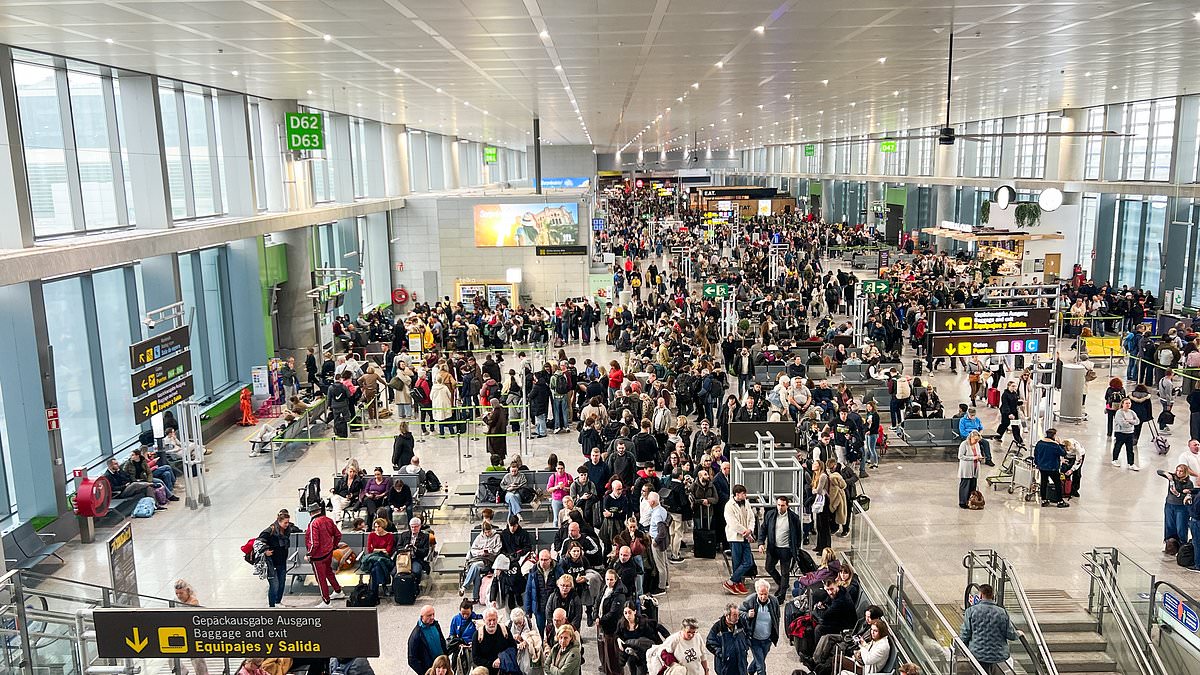
Since the Entry/Exit System (EES) was fully rolled out this month, travelers across Europe have faced chaotic queues, missed flights, and mounting frustration. At Spanish airports, the situation escalated to a breaking point, with police unions warning of overwhelmed staff and infrastructure.
In response, AENA, Spain's airport authority, has introduced new measures to assist vulnerable passengers. Families with young children and individuals with disabilities can now skip biometric machines if the queue is longer than 25 minutes, heading directly to passport control.
The EES Bottleneck
The EES requires non-EU travelers, including British holidaymakers, to register fingerprints and facial scans upon entering the Schengen Area. While intended to enhance security, the system has slowed processing at busy hubs like Alicante, Málaga, and Barcelona-El Prat. Reports describe airports at "breaking point," with anxious crowds and little staff assistance.
One traveler described the scene at Málaga: “Everyone was panicking. Kids were crying. There was no one attending the crowd.” Another parent on Reddit alleged waiting over three hours with crying children, with no help from airport staff.
Priority Lanes and Mixed Experiences
While Adolfo Suárez Madrid-Barajas Airport has seen more controlled queues and priority lines for families, some passengers note that biometric machines can be sensitive, requiring firm pressure on passports and fingertips. Yet others report quick 20-minute passages through the entire process.
Travelers are advised to prepare for potential delays, especially at peak hours. AENA’s new guidelines aim to ease stress for those most affected.
Greece Takes a Different Path
Meanwhile, Greece has completely paused fingerprint and facial scans for British visitors, a move seen as protecting its vital tourism industry. The Greek National Tourism Organisation expects smoother arrivals and reduced congestion. With no end date for the exemption, other Mediterranean nations may follow suit.
Tourism experts note that while Spain remains the top destination for Britons, Greece’s decision could shift travel patterns. ABTA comments: “It’s too early to say what this change might mean, as decisions on where to go depend on many factors.”
Practical Advice for Travelers
- Arrive early at airports, even for short-haul flights.
- If eligible for priority lanes (families, disabled), ask airport staff for assistance.
- Stay updated on EES rules at your destination.
- Consider travel insurance covering missed connections due to biometric delays.
As the EES continues to reshape border procedures, proactive measures by airports and countries may determine whether summer travel flows smoothly or hits further turbulence.