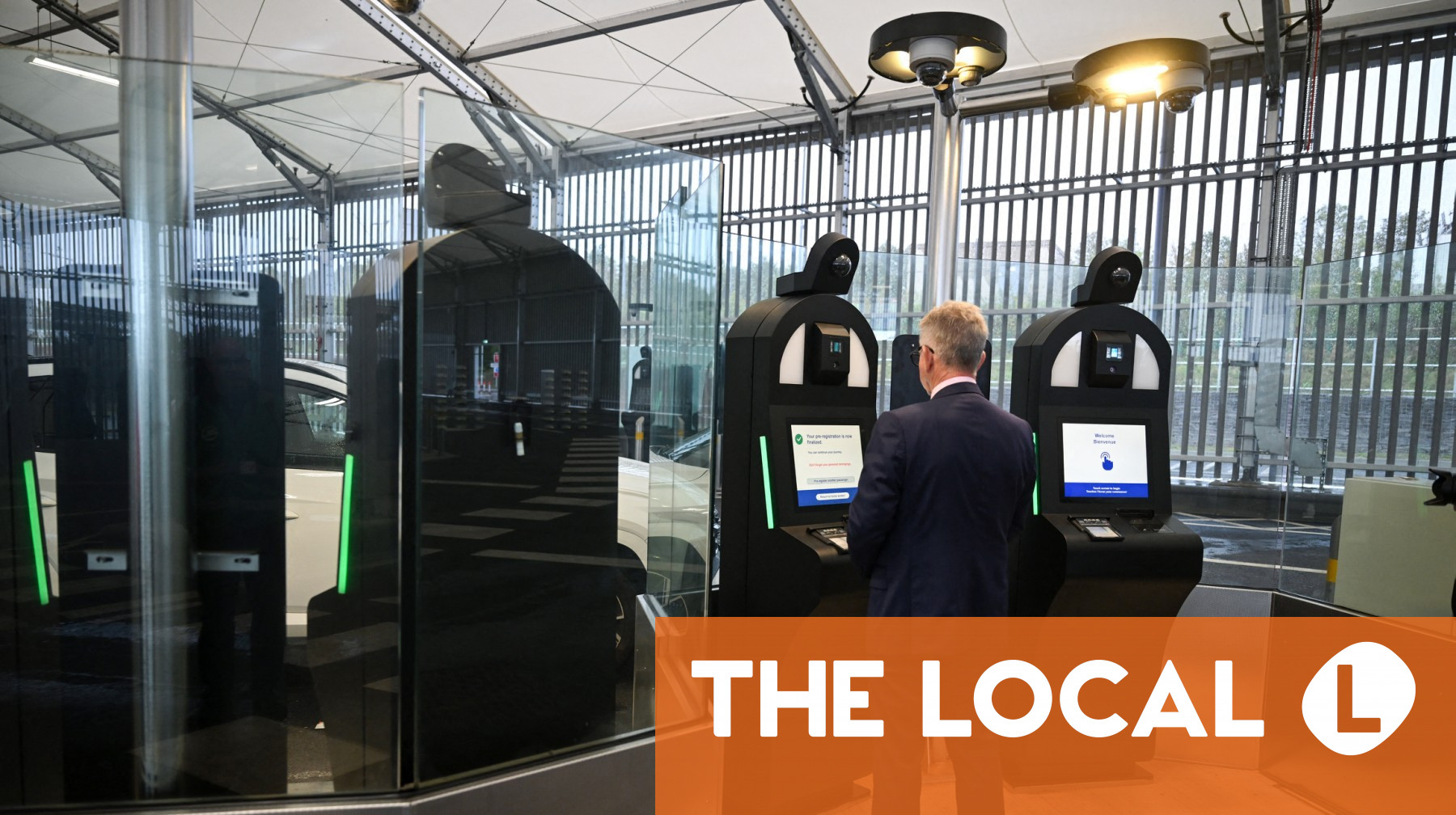
Key Takeaways: The EU's Entry/Exit System (EES) will be fully operational at all Schengen airports and ports from April 10, 2026. The UK government is warning travelers, especially around the busy Easter period, to expect biometric checks and allow extra time for journeys. While checks should take only minutes per person, initial implementation could lead to longer queues.
What is the EES and When Does It Start?
The Entry/Exit System (EES) is the EU's new automated border control system. It replaces the manual stamping of passports with digital records of a traveler's entries and exits from the Schengen Area.
After a phased rollout starting in October 2025, the system is scheduled to become fully mandatory at all air and sea borders on April 10, 2026. This date coincides with the busy Easter travel period, prompting official travel advice.
The system applies to the 29 countries of the Schengen zone: the 25 EU member states plus Iceland, Norway, Switzerland, and Liechtenstein.
How Will It Affect British Travelers?
For British citizens and other non-EU nationals, the process will change significantly upon first entry after the system is live.
- First Entry: Travelers will need to provide facial scans and fingerprints at the border.
- Subsequent Travel: Once registered, this biometric data is stored for three years or until the passport expires (whichever is sooner). Subsequent entries should be faster, as the system will verify identity against the existing record.
The UK's Minister for Border Security, Alex Norris, stated: "The EU’s Entry Exit System will be a significant change for Brits travelling this Easter."
He advised travelers to always check with their transport operator and allow extra time, both for travel to the EU and for the return journey to the UK.
Where and How Will Checks Happen?
For UK-based travelers, the process is unique due to juxtaposed border controls.
Leaving the UK: EES registration for train and ferry passengers happens before departure at:
- St Pancras International station (London)
- The Eurotunnel terminal in Folkestone
- The Port of Dover
Returning to the UK: Checks for travelers heading to Britain take place at corresponding EU terminals like Gare du Nord in Paris and the ports of Calais.
Eurotunnel has already activated biometric registration for all passengers at its terminals as of March 2026, expanding from an initial pilot for coach and freight traffic.
Managing Disruption and Exemptions
Acknowledging concerns over potential delays, the European Commission has confirmed that member states can partially suspend the EES during peak periods, like summer, to avoid travel chaos.
An official pre-registration app is also in development to smooth the flow, though it is currently only available for testing in Sweden and Portugal.
It's crucial to know that not everyone needs to register. Key exemptions include:
- EU/Schengen residents (who hold a residence permit or national ID card)
- Dual nationals traveling on their EU passport
- Children under the age of 12
The Bigger Picture: Security and Overstays
The EES is fundamentally a security and migration management tool. By digitally tracking entries and exits, authorities can automatically identify visitors who overstay the 90-day limit within any 180-day period.
The system has already proven effective in its initial phase, with EU officials reporting that 4,000 overstayers were detected in the first few months of operation.
For the average tourist, the message is clear: the era of a quick passport stamp is ending. Planning for a slightly longer border experience is the new essential step for travel to Europe.