Key Takeaways:
- The land border between Gibraltar and Spain is being dismantled, ending over 300 years of physical checkpoints.
- Under a new post-Brexit treaty, Gibraltar will effectively join the EU's Schengen travel area, eliminating routine checks for 15,000 daily cross-border workers.
- British travellers arriving by air or sea will face a dual passport check: first by Gibraltar officials, then by Spanish officers with final say.
- Gibraltar residents regain some EU freedom of movement rights but lose unrestricted residency and study rights across the bloc.
- The treaty, set for final approval in July 2026, includes alignment of tobacco prices and introduction of a VAT-style sales tax.
A Historic Shift at the Border
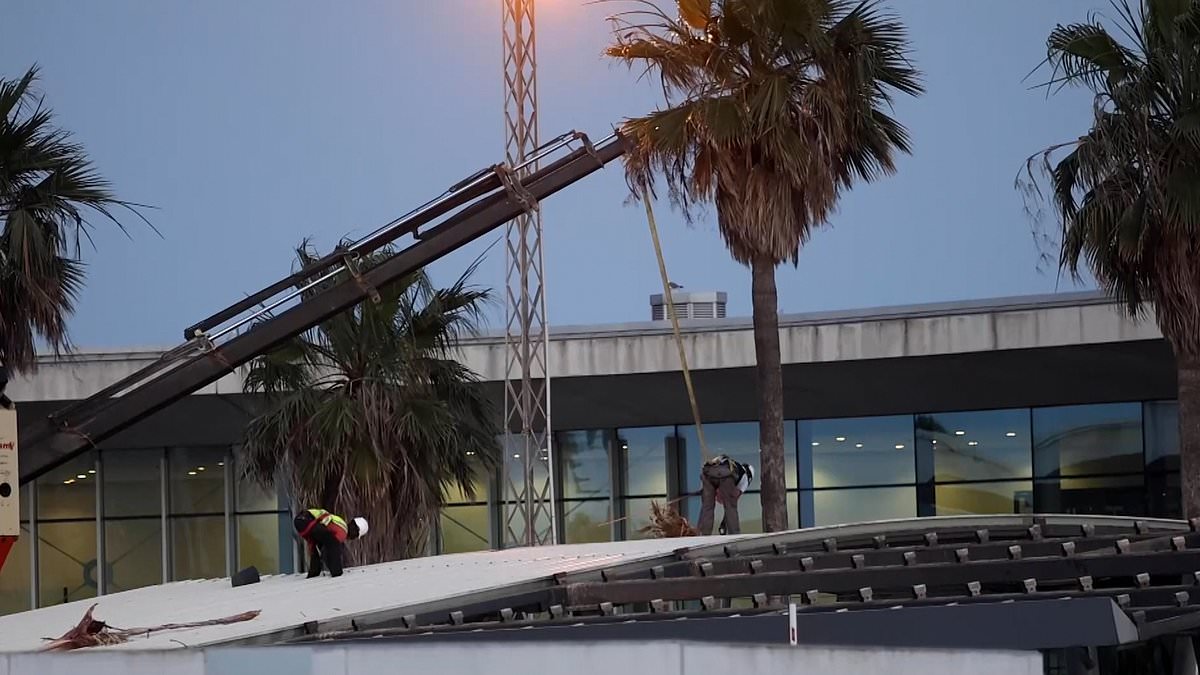
For the first time in more than 300 years, the physical border separating Spain from Gibraltar is being torn down. Footage shows workers dismantling checkpoints and buildings on the Spanish side, while scaffolding goes up on the Gibraltar side to remove canopies and police booths. The move follows a landmark post-Brexit deal that will take effect on 15 July 2026.
This transformation means the land border—a symbol of sovereignty disputes since 1704—will effectively disappear and relocate to Gibraltar's airport. Routine checks for the 15,000 people who cross daily for work will become a thing of the past.
Joining Schengen: What Changes?
Under the new treaty, Gibraltar becomes part of the EU's Schengen travel area for border purposes. This is a major shift for a British Overseas Territory that faced the prospect of a hard EU border after Brexit.
- For cross-border workers: Daily movement will be frictionless, with no routine passport or customs checks.
- For British travellers arriving by air or sea: A new dual-entry system will be introduced. Passports are first checked by Gibraltar officials, then by Spanish officers, who have the final say on entry.
- Residency and sovereignty: Spanish authorities gain influence, including veto powers over Gibraltar residency permits. This has sparked a surge in residency applications as people seek to secure their status before the treaty takes effect.
Economic and Social Implications
The deal is being hailed as one of the most significant for a British Overseas Territory since the 1984 Hong Kong accord with China. While sovereignty over Gibraltar was not on the table, Spain gains greater say in border and immigration matters.
- Tobacco and taxes: Gibraltar has agreed to align cigarette prices more closely with Spain and introduce a VAT-style sales tax—good news for those who cross for cheap tobacco.
- EU rights regained: Gibraltar residents can now work across the EU as if they were EU citizens, but they lose unrestricted rights to reside and study freely in the bloc.
- Investment boost: Chief Minister Fabian Picardo calls the deal 'truly historic' and encourages businesses to invest in the neighbouring Campo de Gibraltar region, promoting a 'shared zone of prosperity'.
A Timeline of Diplomacy
The negotiations took four years, culminating in an agreement between the UK and European Commission last June. The full treaty text was published this spring and is expected to receive final approval from the European Council soon.
- Formal signing: Scheduled for 13 July 2026 in Brussels, likely by UK Foreign Secretary Yvette Cooper and EU Commissioner Maroš Šefčovič.
- Implementation date: The new border regime begins on 15 July 2026.
What This Means for Travellers
If you're planning to visit Gibraltar after the changes, here's what to expect:
- Arrival by air or sea: Prepare for a two-step passport check—Gibraltar first, then Spanish officers.
- Crossing the land border: No routine checks for most travellers, but Spanish authorities retain the right to conduct spot checks.
- Residency permits: Already in high demand; apply early if you need one.
Beyond the Border: A Tunnel to Africa
In a separate but equally ambitious development, an €7.4 billion plan for a railway tunnel under the Strait of Gibraltar connecting Spain and Morocco has been deemed 'technically viable'. German tunnel experts Herrenknecht, commissioned by the Spanish government, found that drilling a 26-mile tunnel—with 17 miles underwater—is possible using current technology.
- Depth: Predicted to lie about 420 metres below sea level, far deeper than the Channel Tunnel's 74 metres.
- Challenges: Complex geological conditions at the Camarinal Threshold require further analysis.
- Timeline: A blueprint by Spanish firm Ineco by 2027, with government approval hoped for that year.
This project, if realised, could reshape travel between Europe and Africa, dwarfing the Channel Tunnel in scale and ambition.
The Bottom Line
The dismantling of Gibraltar's border checkpoints marks a new chapter in post-Brexit Europe. For travellers and workers, the changes promise simpler crossings and renewed mobility—but also new checks and Spanish influence. As the treaty takes effect, the Rock of Gibraltar becomes a test case for how British territories can coexist with the EU's Schengen zone.