Key Takeaways:
- Airport and airline associations warn EES delays could reach five hours this summer.
- Groups urge the European Commission to allow temporary suspensions of the system during peak times.
- Over 40 million extra passengers are expected in July and August, worsening existing bottlenecks.
- Calls for a permanent flexibility mechanism, more border staff, and a pre-registration app.
Just months after the full rollout of the European Union’s new digital Entry/Exit System (EES), travel chaos is already brewing. In a joint open letter to European Commission President Ursula von der Leyen, major aviation associations – including ACI Europe, A4E, and IATA – have sounded the alarm. Their message is stark: without urgent intervention, this summer’s travel season could descend into misery for millions of passengers.
The Scale of the Problem
Since the EES went live across all 29 Schengen states on October 12, 2025, border checks have become increasingly cumbersome. The system replaces traditional passport stamps with digital records that include fingerprints and facial images for third-country nationals. Every traveler must register their biometric data on the first crossing, which is then checked against a Europe-wide database to enforce the 90/180-day rule.
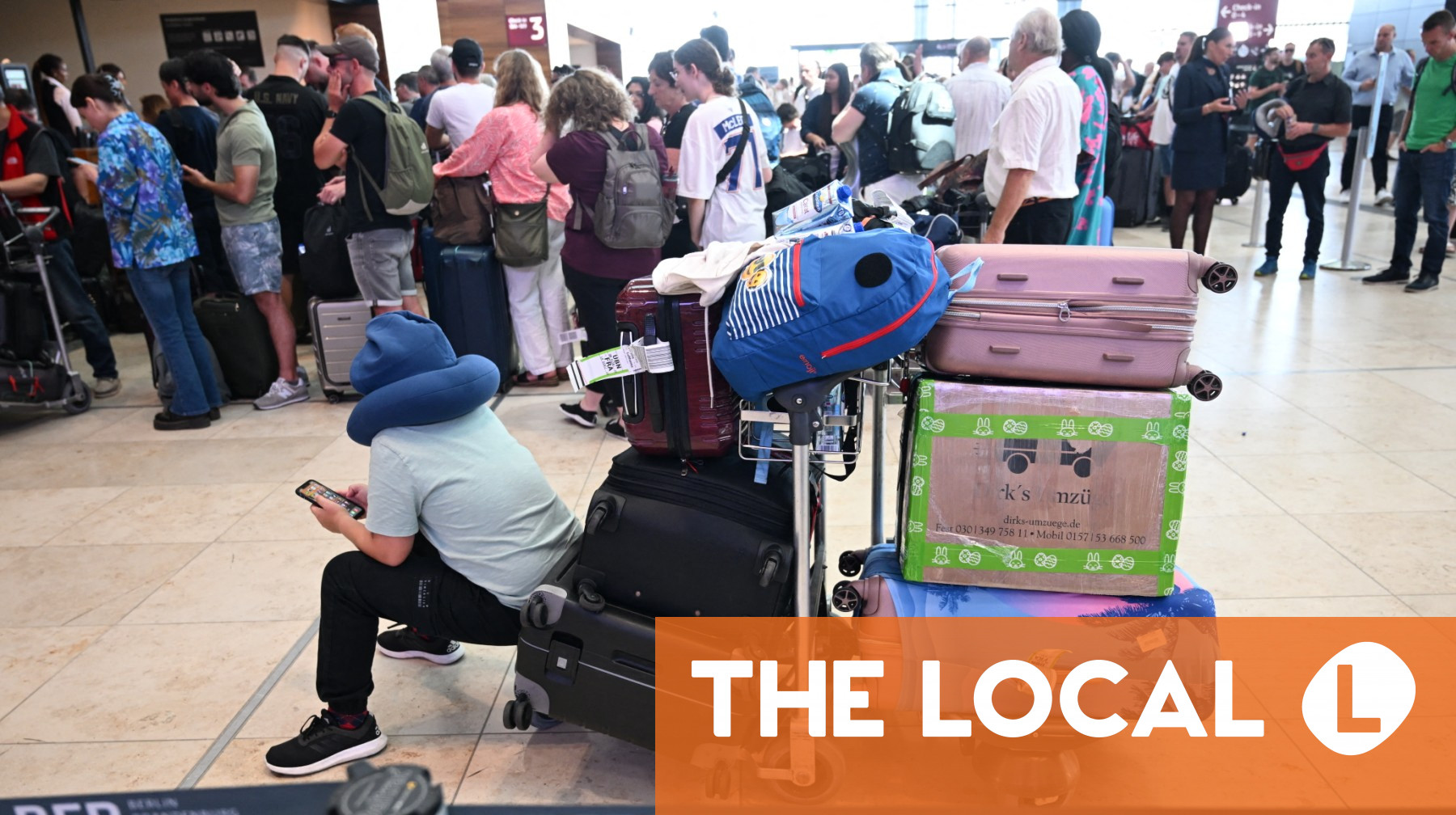
But the reality on the ground is anything but smooth. According to the open letter, waiting times at border control have surged, with some airports reporting queues of up to five hours during peak periods. Italy’s airports, especially Rome’s, have been hit hardest, and some have already suggested suspending EES checks over the summer.
What Airlines and Airports Are Seeing
The operational fallout is severe, and it’s not just about unhappy travelers. The letter highlights a cascade of disruptions:
- Flight delays and missed connections as passengers are stuck in queue lines.
- Half-empty planes at gate closing time, with travelers unable to reach boarding.
- Skyrocketing pressure on border police, airport staff, and airline workers.
- A strain on both large hubs and smaller airports, making the issue Europe-wide.
“These delays are impacting millions of passengers entering the Schengen Area, including families travelling with young children, elderly passengers and persons with reduced mobility,” the letter reads.
The Call for Immediate Action
Industry leaders argue that the current situation has “reached a critical point.” They are not asking for the EES to be scrapped entirely – they are demanding operational flexibility. Specifically, they want the Commission to allow member states to temporarily suspend the EES during peak travel times, reverting to standard passport stamping when needed.
Under current rules, Schengen countries can already pause biometric data collection until early September. But the groups say this has not prevented excessive queues, and the real test will come in July and August, when airports expect to handle 40 million more passengers than in the past two months.
What Needs to Change
To prevent the situation from spiraling out of control, the associations are calling for a three-pronged approach:
- A permanent flexibility mechanism – to allow border authorities to suspend EES when delays become unsustainable, until structural issues are resolved.
- Adequate staffing at all airport border crossing points, with more resources for frontline officers.
- Stable IT systems to support data sharing across the EU, and a pre-registration app that lets passengers submit biometrics before reaching the border.
The Bigger Picture
Beyond the immediate travel headaches, the groups warn of a deeper risk: damage to Europe’s reputation as a welcoming destination. “Europe must remain a destination that is not only secure but also efficient, welcoming and competitive,” they emphasize. With the EES still in its early months, the summer of 2025 will be a stress test like no other.
For travelers planning a trip to the Schengen area this summer, the advice is clear: prepare for delays at the border. Whether the EU heeds the industry’s urgent calls remains to be seen, but the clock is ticking – and the stakes are high.