Key Takeaways
- A record 60,000 migrants stormed Spain's enclave of Ceuta, prompting a state of emergency and violent clashes.
- Italy has suspended its Schengen agreement with Spain, with several EU states considering similar measures.
- UK politicians warn that migrants may head to Britain, intensifying calls for stricter border controls.
- Spain's PM Pedro Sánchez blames trafficking gangs, while experts suspect Moroccan involvement.
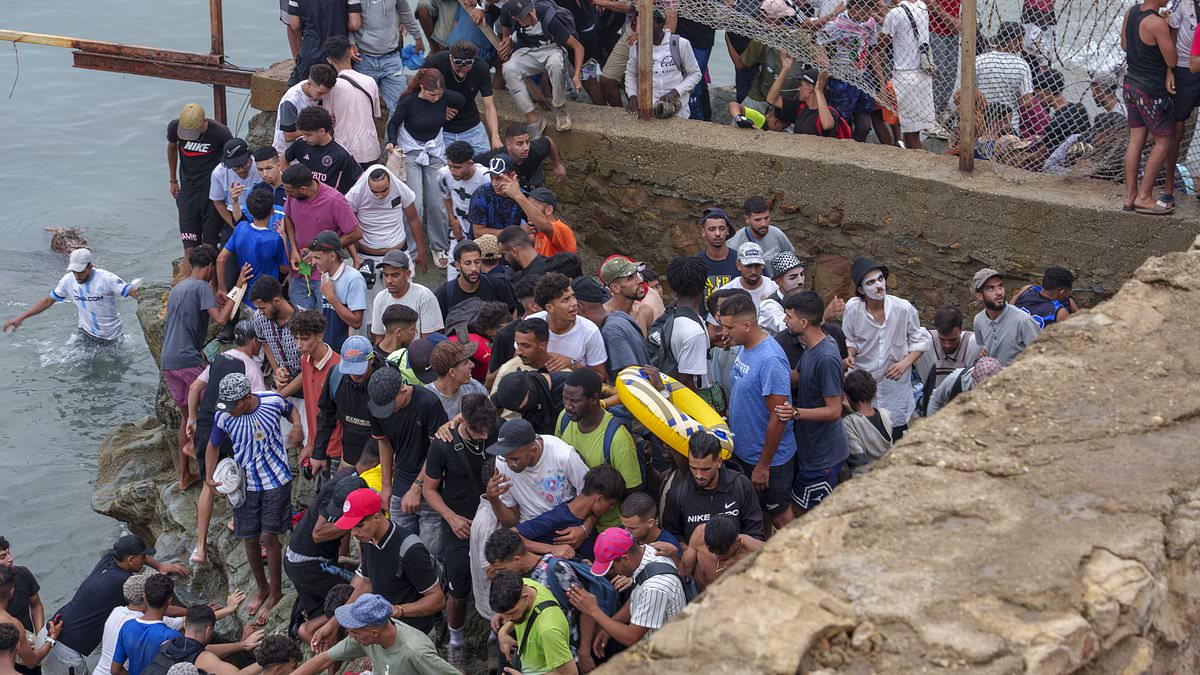
The Spanish enclave of Ceuta, a tiny piece of Europe on Africa's northern coast, has become the epicenter of a migration shockwave that is rippling across the continent. In a single day, more than 60,000 people, mostly young men, surged across the border from Morocco, swimming, climbing, and pushing through fences in what has been called the largest one-day influx of illegal migrants into the EU. The scenes of chaos have ignited a political firestorm, from Brussels to London, as leaders scramble to respond.
Ceuta in Chaos: The Human Toll
By Thursday evening, Ceuta, a city of just 84,000 inhabitants, was overwhelmed. Residents described a state of siege, with migrants filling the streets, lacking access to food, water, or sanitation. Reports of violence emerged, including clashes with Spanish forces who fired tear gas, and locals were seen fleeing or arming themselves with makeshift weapons. The medical union president, Enrique Roviralta, said residents felt like “state orphans,” as the city was effectively closed and fear spread.
The human cost is staggering, with at least 57 deaths reported in the attempt to reach European soil. Journalists on the ground captured images of hundreds arriving every minute, many half-dressed, some injured. The border, once a symbol of Fortress Europe, had become a sieve.
Political Fallout: Schengen Under Strain
The crisis has triggered a political earthquake in the EU. In a dramatic move, Italian Prime Minister Giorgia Meloni unilaterally suspended Italy's Schengen arrangements with Spain, and with Finland's backing, called for Spain's suspension from the borderless zone. France announced stricter controls on its border with Spain, while Poland, Denmark, the Netherlands, and the Czech Republic are considering similar measures. EU Commission President Ursula von der Leyen condemned the influx as “unacceptable,” urging Spain to get a grip, while Polish PM Donald Tusk claimed Spain must follow his country's tough border approach “if Schengen is to survive.”
The tension highlights deep divisions within the EU over migration policy. Spain's PM Pedro Sánchez retorted that others, like Italy and Greece, have seen larger influxes in recent years. He characterized the incidents as an “attack on Spain” and pledged to return migrants to Morocco, though he was heckled by angry locals during his visit.
The Moroccan Question: Conspiracy or Collapse?
Behind the political grandstanding lies a deeper question: was this surge engineered? Many analysts believe Morocco, which has long claimed sovereignty over Ceuta and Melilla, may have deliberately relaxed border controls to pressure Spain. Haizam Amirah Fernandez, a director at the Centre for Contemporary Arab Studies in Madrid, noted that such a mass movement “could not have taken place without the Moroccan authorities knowing about or allowing it.” Spain's migration specialist Ignacio Cembrero echoed this, speaking of an opportunity to force negotiations over the enclaves' future.
Meanwhile, Spain's recent amnesty for undocumented migrants, which saw nearly 1.2 million applications, has been accused of acting as a magnet. The Supreme Court ruling that bars immediate returns of migrants intercepted at sea has also been cited as a trigger, despite Sánchez blaming trafficking mafias.
UK Fears: Will Migrants Cross the Channel?
The ramifications extend beyond the EU. UK Conservative and Reform politicians have called for immediate border strengthening, warning that migrants may now head towards Calais and attempt to reach Britain. Shadow Foreign Secretary Priti Patel urged action at the English Channel and Gibraltar, where Labour recently agreed to dismantle the border with Spain. Nigel Farage, leader of Reform UK, painted a dramatic picture, claiming “thousands of young men, lots of them dangerous, will be heading towards Calais and our country.”
The UK PM's deputy, Louise Haigh, called events “extremely concerning” but stressed the need to stop illegal entry. No concrete measures have yet been announced, but the pressure is mounting.
The Road Ahead: EU Unity at a Breaking Point
This crisis tests the very foundation of the Schengen area, which allows free movement across 29 countries. The sight of fortified borders, suspended agreements, and nationalist rhetoric in Madrid evokes a specter of a fracturing union. For travelers, the implications are immediate: expect increased border checks, delays, and a more cautious approach at European frontiers.
For the migrants, the journey is far from over. Many have been returned to Morocco, but some remain, and the underlying causes—poverty, unemployment, and instability—persist. As Europe argues over who should bear the burden, the human drama at Ceuta's beaches remains a stark reminder of the challenges ahead.
“We cannot allow anyone to come to our union without abiding by our rules,” said EU chief Ursula von der Leyen, but as the floodgates of Ceuta showed, rules mean little when desperation is high.
This is a developing story. SchengenTracker will continue to provide updates on the evolving border policies and their impact on travelers and citizens alike.