Spain's worst migration emergency in the enclave of Ceuta has ignited a bitter diplomatic dispute with Israel, after a Spanish minister appeared to endorse online claims blaming Jerusalem for the crisis.
The controversy began when Israeli U.N. Ambassador Danny Danon criticized Madrid's handling of the border emergency, accusing Spain of hypocrisy over its migration policies and questioning its colonial enclaves in Africa. In a pointed response, Spanish Transport Minister Óscar Puente reposted Danon's remarks on X, adding only: "Well, things are starting to become quite clear."
While Puente offered no elaboration, Spanish media widely interpreted his post as lending credibility to conspiracy theories sweeping social media, suggesting Israel — and in some cases the United States — orchestrated the migrant surge to destabilize Prime Minister Pedro Sánchez's government.
A Crisis at Europe's Southern Border
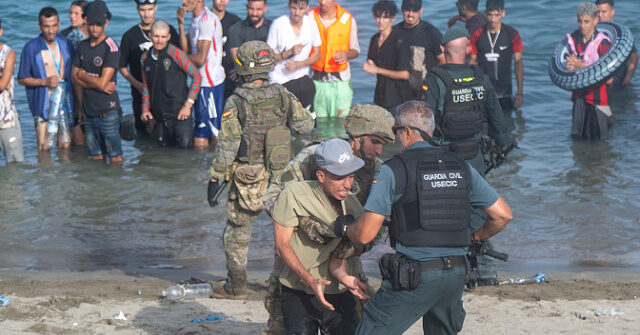
The diplomatic clash unfolded as Spain confronted a massive influx of migrants into Ceuta, with officials reporting approximately 49,000 crossings in under 24 hours. Videos showed migrants swimming around border barriers, using inner tubes, and forcing their way through land crossings, prompting Madrid to declare a state of emergency and deploy military forces.
Ceuta's regional president, Juan Jesús Vivas, described the situation as "a total humanitarian and social emergency," urging the central government to act. Sánchez condemned what he called "an attack on Spain's territorial integrity" and vowed to use all state resources to restore order.
Unsubstantiated Allegations Spread
The conspiracy theories gained traction among Spanish politicians and commentators. Lawmaker Gabriel Rufián argued the crisis served American and Israeli interests, while journalist José Vizner questioned whether it represented "revenge" against Sánchez. Commentator Rubén Gisbert linked Morocco's posture toward Ceuta to Spain's increasingly hostile positions on Israel.
Notably, Israel's Foreign Ministry distanced itself from Danon's remarks. Chargé d'Affaires Dana Erlich stressed that "the comment made by Israel's Ambassador to the U.N. does not represent the position of the State of Israel." No public evidence has emerged supporting the allegations.
Broader European Reactions
The crisis triggered sharp criticism across Europe. Spain's opposition Vox leader Santiago Abascal called the influx "an invasion," while Popular Party leader Alberto Núñez Feijóo described the situation as "desperate." Italian Prime Minister Giorgia Meloni warned that uncontrolled illegal migration threatened Europe's borders, with senior Italian officials floating the possibility of suspending Spain from the Schengen Area.
Former U.S. President Donald Trump also weighed in, framing Ceuta as a warning for America and blaming Spain's left-wing immigration policies for fueling the crisis.
Strained Relations Amid Broader Conflict
The migration emergency has added a new flashpoint to already fraught relations between Madrid and Jerusalem. Sánchez has been one of Europe's most outspoken critics of Israel's military campaign in Gaza, recognizing a Palestinian state and repeatedly calling for international pressure on the Jewish state.
Friday's exchange underscores how quickly regional crises can escalate into diplomatic confrontations, with Spain's migration challenges now entangled in its broader geopolitical tensions. For travelers and observers, the episode highlights the fragility of border security in Europe's southern flank — and the political firestorms that can follow.