Key Takeaways:
- Nine EU countries, including Germany and France, have written to Brussels warning the new Entry-Exit System (EES) is causing chaos.
- EasyJet boss Kenton Jarvis brands queues "completely unacceptable," calling for a review of the system.
- The EES, requiring biometric checks for non-EU citizens, threatens five-hour waits at airports and ports this summer.
- Flexibilities allowing temporary suspensions are set to expire in September, sparking fears of prolonged disruptions.
European capitals have rounded on Brussels over the botched roll-out of new post-Brexit border rules, which threaten to plunge next week's Great Summer Getaway into chaos.
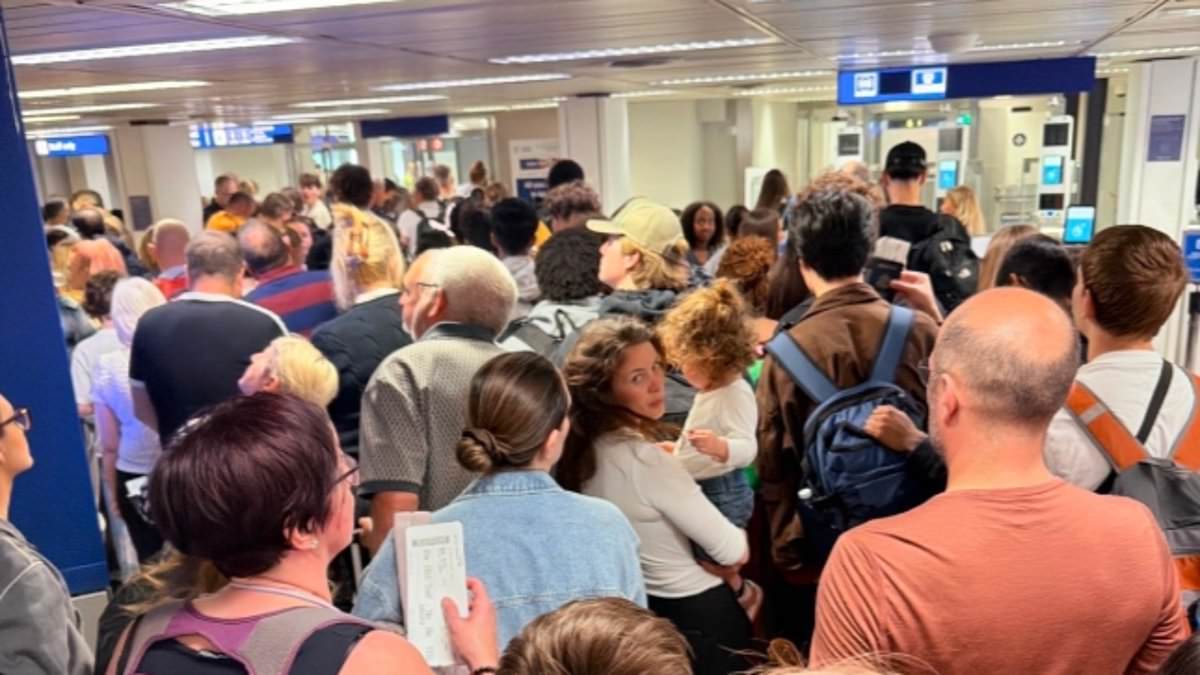
It emerged today that nine EU countries wrote to Eurocrats warning the bloc still wasn't ready to fully implement the strict new controls. They urged further easing to avoid queues of five hours or more this summer and beyond.
The signatories include Germany and France — the bloc's two most important powerbrokers. Paris usually militantly toes the Brussels line, making this a significant rebellion.
Switzerland, Belgium, Greece, Italy, Malta, the Netherlands, and Portugal also joined the growing revolt. All have sizeable tourism industries at stake.
EasyJet: 'Completely Unacceptable'
EasyJet boss Kenton Jarvis joined the rebellion by calling for a review, branding border queues already witnessed in recent weeks as unacceptable. Speaking to the Mail, he revealed that the new rules now account for more than a third of delays on UK-EU flights.
"The EES delays that some customers continue to face are completely unacceptable," Jarvis said.
"Border authorities must make full use of the permitted flexibilities now. If this cannot be done effectively, the system must be reviewed and those flexibilities extended beyond their September cliff edge."
He said bottlenecks were particularly bad in Portugal, Malta, and the Canary and Balearic Islands in Spain.
What Is the EES and Why Does It Cause Delays?
The EU's Entry-Exit System (EES), which came into effect on 10 April 2026, requires non-EU citizens to give biometric details — a facial photograph and fingerprints — before entering the Schengen zone. This applies to Britons due to Brexit.
When travelling by air, these checks usually happen after landing at electronic booths. At ports like Dover and Folkestone, they occur before crossing into France, meaning long queues of cars can form in Kent.
The same checks are required when leaving to ensure people don't overstay visas. However, many hubs lack sufficient infrastructure and staff, with processing times now longer on average.
- Queues of up to five hours have been reported at some airports.
- In April, around 100 passengers missed an EasyJet flight from Milan Linate to Manchester due to three-hour waits.
- Plans by Greece, Portugal, and Italy to exempt Britons this summer have been rebuffed by Brussels.
The Revolt: Nine Countries Demand Action
In their letter dated 7 July to EU home affairs Commissioner Magnus Brunner, the nine capitals cited "significant difficulties" with the system. While they support it long-term, they insist current flexibilities must be extended beyond 6 September.
"Experience to date has shown that significant difficulties arise under exceptional circumstances [when passenger numbers are high], and these risks should not be underestimated," the letter states.
This comes ahead of the Great Summer Getaway, which starts next weekend when many schools break up. Yesterday, the Tories taunted Labour over the debacle, with shadow transport secretary Richard Holden saying PM Keir Starmer has failed to guarantee chaos-free holidays.
What Happens Next?
Brussels has allowed 29 Schengen zone countries to suspend the EES during busy times, but border forces must re-apply the system each time a problem arises, rather than proactively. Critics say these flexibilities, currently allowed until September, should be further extended.
An EU Commission spokesman defended the system, saying: "The advantages of the new system for the EU are evident. It increases the security of EU citizens and replaces paper stamping with a modern system."
- The EU insists it sees "very clear security benefits."
- It claims efforts are being made to limit impacts on travelers from outside the EU.
- But with summer passenger numbers set to spike, the risk of chaos remains high.
For UK travelers, the message is clear: prepare for potential delays, and stay informed on the latest flexibilities. Whether the EU will bend remains to be seen.