Key Takeaways
- The European Commission refuses to suspend the Entry/Exit System (EES) despite pressure from airports and airlines.
- Officials admit the system is "not perfect" but argue a suspension would cause even more problems with overstay tracking.
- Airports report delays of up to five hours at holiday hotspots, but the EU says only 20 of 1,500 crossing points face major issues.
EU Digs In on EES as Summer Travel Looms
The European Commission is pushing back against calls to suspend the new Entry/Exit System (EES), even as airports and airlines warn of impending summer chaos. The system, which requires biometric checks for non-EU travelers, has been blamed for massive delays at key border points across Europe.
A Commission official acknowledged that EES is "not perfect" but insisted a full suspension is "not needed" and "not possible." The official warned that pausing the system in some countries but not others could lead to travelers being incorrectly flagged for overstaying their 90-day limit, resulting in future entry bans.
Airports Sound the Alarm
European aviation industry groups, including the International Air Transport Association (IATA), have demanded urgent action. In a joint letter to the Commission, they warned that EES is causing wait times of up to five hours, particularly at popular holiday destinations. Ryanair has reported "queue chaos" at airports in Portugal, Spain, Italy, Greece, and Belgium.
"This is undermining Europe's reputation, European tourism, and connectivity," the letter stated, calling for the system to be suspended until after the summer peak.
How EES Works—and Why It's Causing Delays
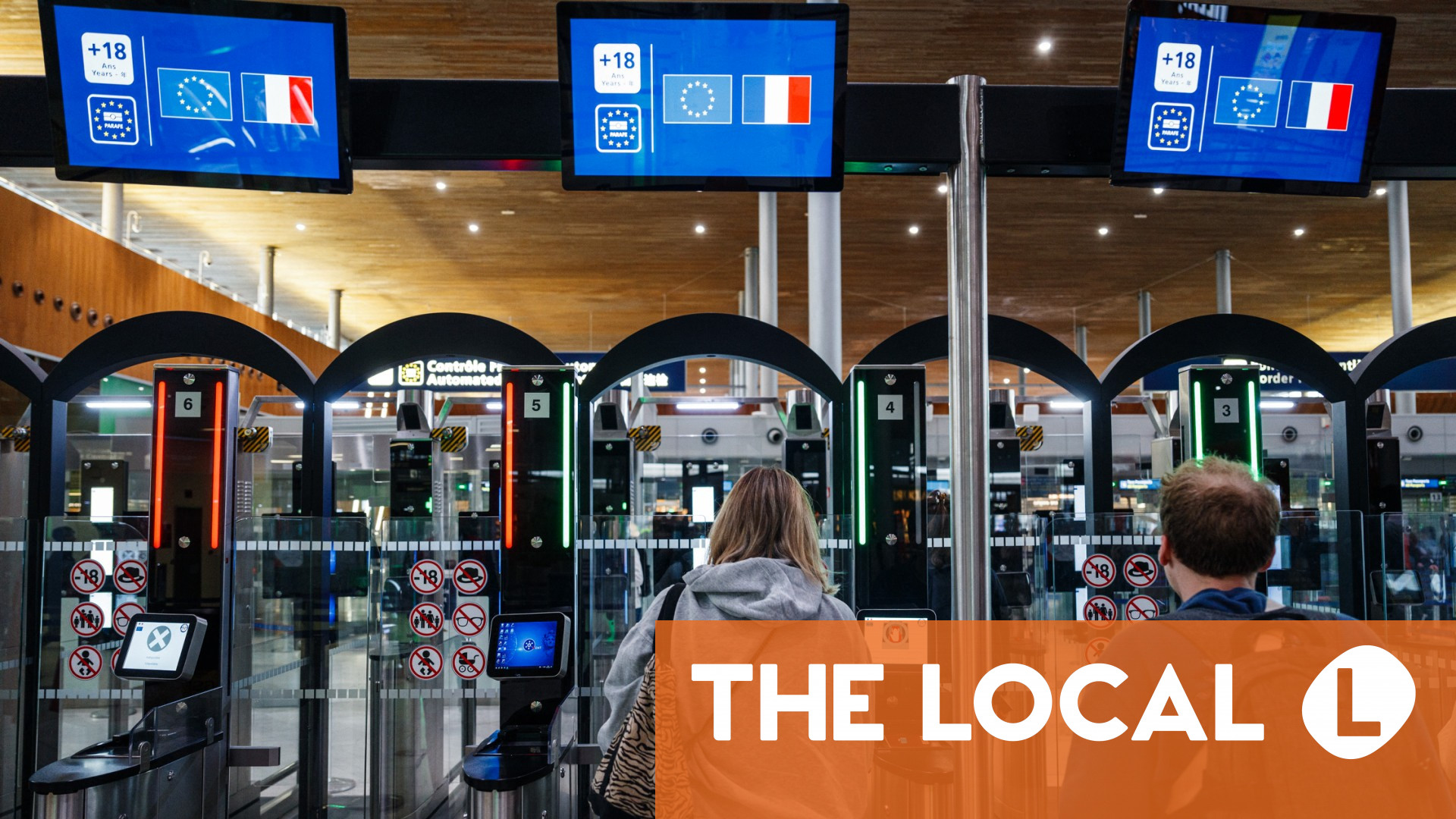
Since October 2025, the 29 Schengen area countries (including Iceland, Norway, Switzerland, and Liechtenstein) have operated the EES. The system replaces manual passport stamping with digital records, requiring travelers to register fingerprints and facial images on their first entry. Each subsequent border crossing is logged electronically to enforce the 90/180-day rule.
However, the rollout has been bumpy. At peak times—like the Easter holidays—several border points experienced significant delays. The Commission says 1,480 of the 1,500 crossing points work fine, but acknowledges 20 "difficult spots" need attention.
EU Migration Chief Defends System
Migration Commissioner Magnus Brunner defended EES, calling it "making Europe safer, every day." He noted that the system includes built-in flexibility: until early September, border authorities can temporarily suspend biometric registration if queues become unmanageable.
Brunner also suggested that unrelated factors—like insufficient staff or poor infrastructure—might be causing delays, not the system itself. Still, he promised to ramp up efforts to fix issues at problem points.
What This Means for Travelers
Travelers should prepare for potential delays at major airports, especially in southern Europe. The Commission's refusal to suspend EES means long lines could continue through August. If you're a non-EU visitor, ensure your biometric data is registered before travel to save time.
For now, the EU is betting on gradual fixes rather than a summer pause—a gamble that could test traveler patience at peak holiday season.